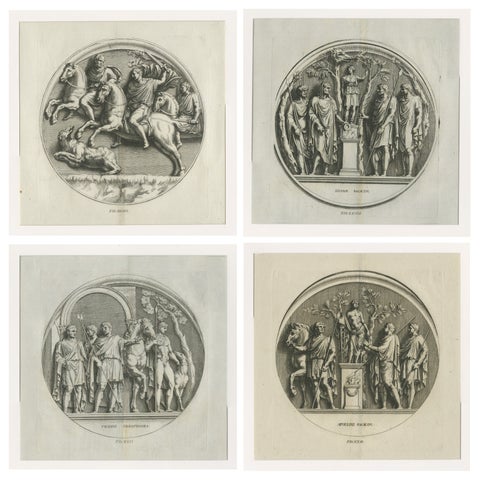
Close-ups
Framed and on the wall
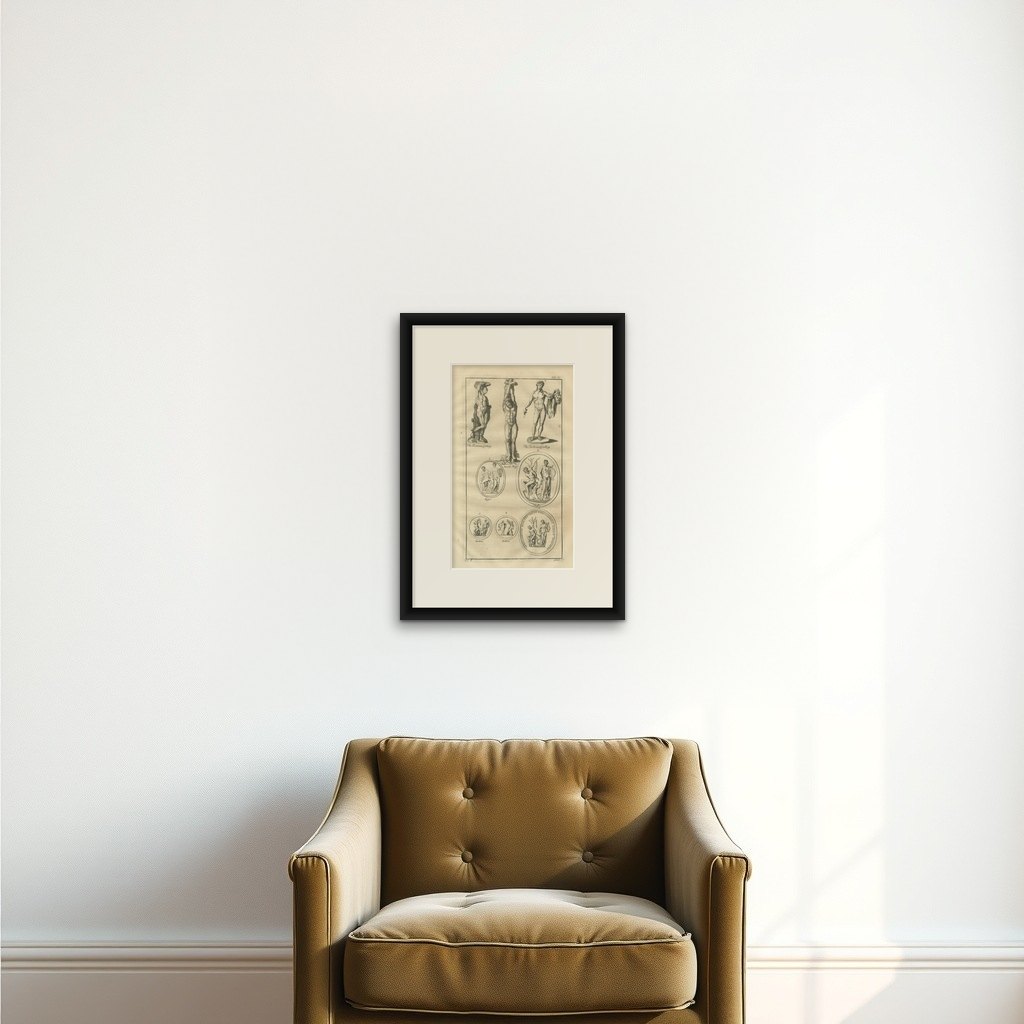

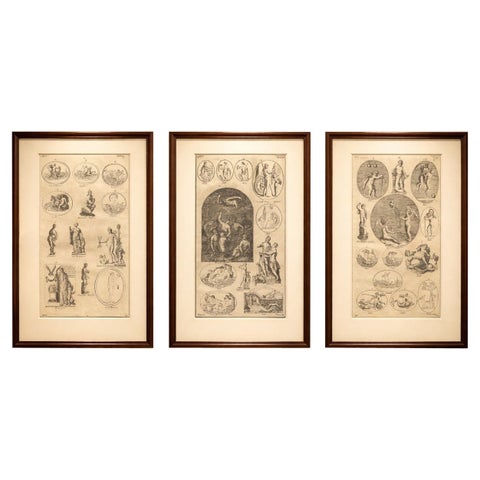
Frame and rooms are illustrations of how the print could look, drawn to its real size; it is sold unframed unless the description says otherwise.
Antiquity & ruins
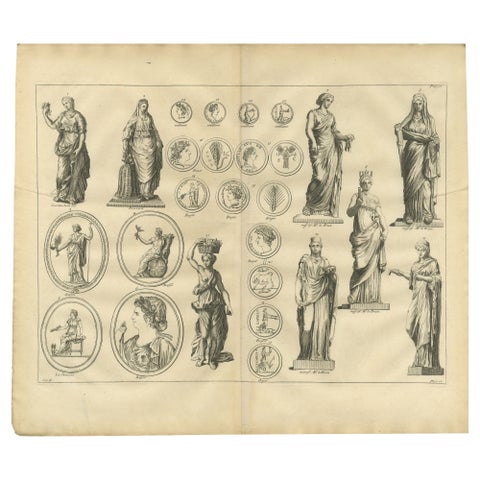
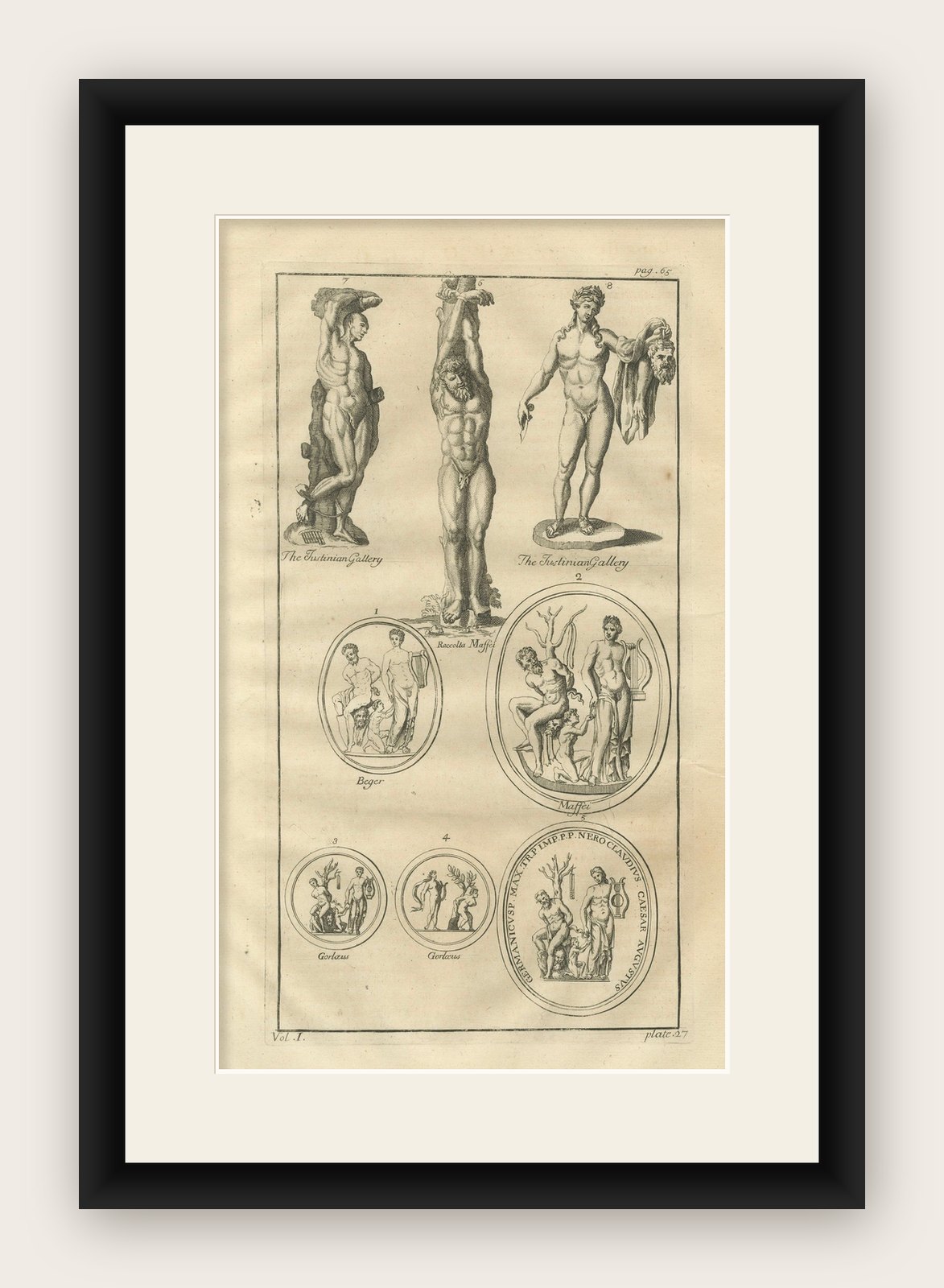
Antique Roman Statues & Medals Plate, Montfaucon, Antiquity Explained, 1721
$1,185
€1,050 · £890
Original print, not a reproduction
Ships worldwide from the Netherlands, flat, insured and tracked. 14-day returns. To buy, use Ask a question (info@antiquearchitectureprints.com) and we will reserve it for you.
- Date
- 1721
- Sheet size
- 16.7 × 10 in (42.3 × 25.5 cm)
- Condition
- Good. Original 18th-century engraving on laid paper. Moderate age-related toning and scattered spotting. Light wear to edges and margins. Impression slightly soft in places, consistent with folio plates from this work. Overall well-preserved.
- Collection
- Antiquity & ruins
- Era
- 1700 to 1789, Baroque to Neoclassical
- Stock no.
- f_48028172
Antique Roman Statues & Medals Plate, Montfaucon, Antiquity Explained, 1721
Description:
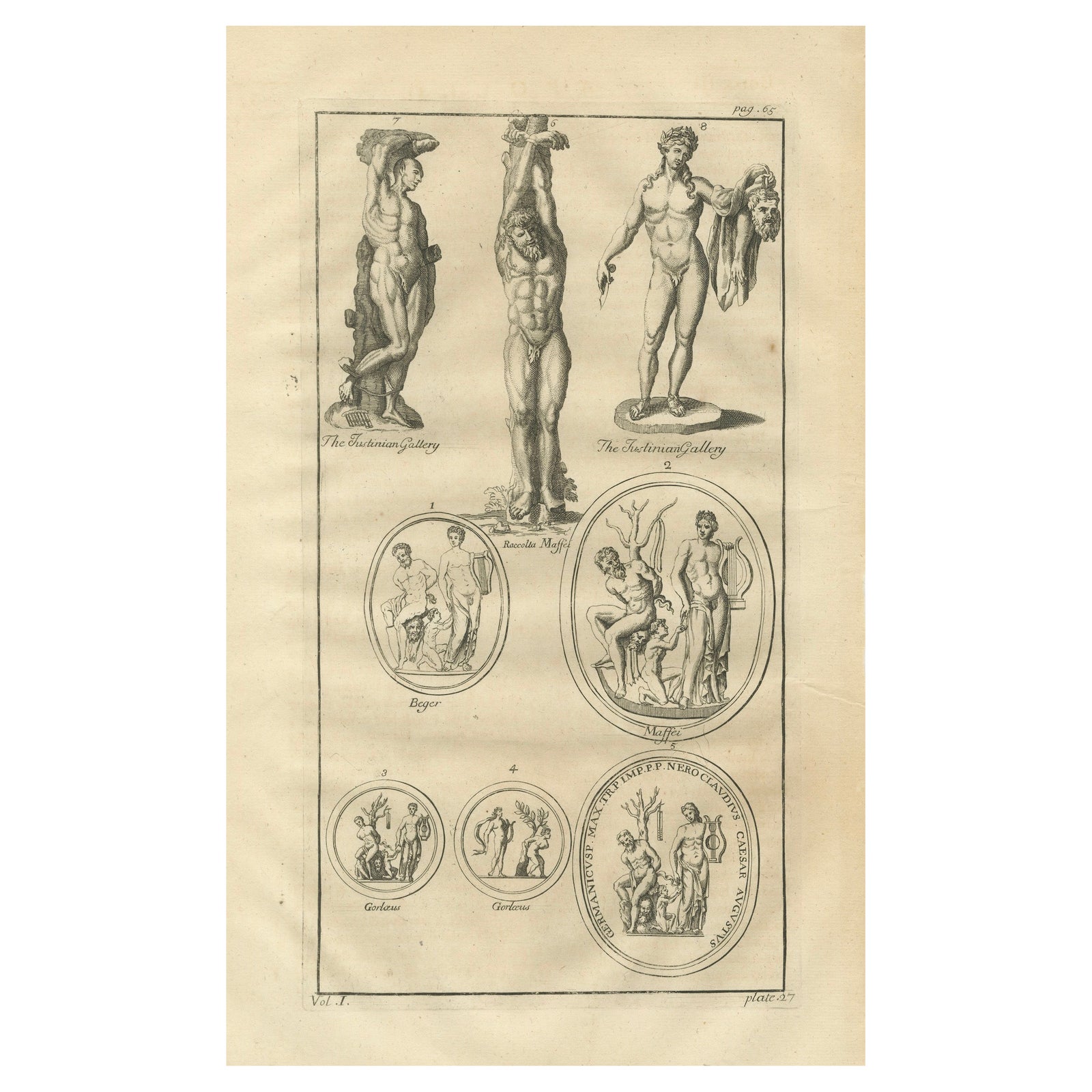
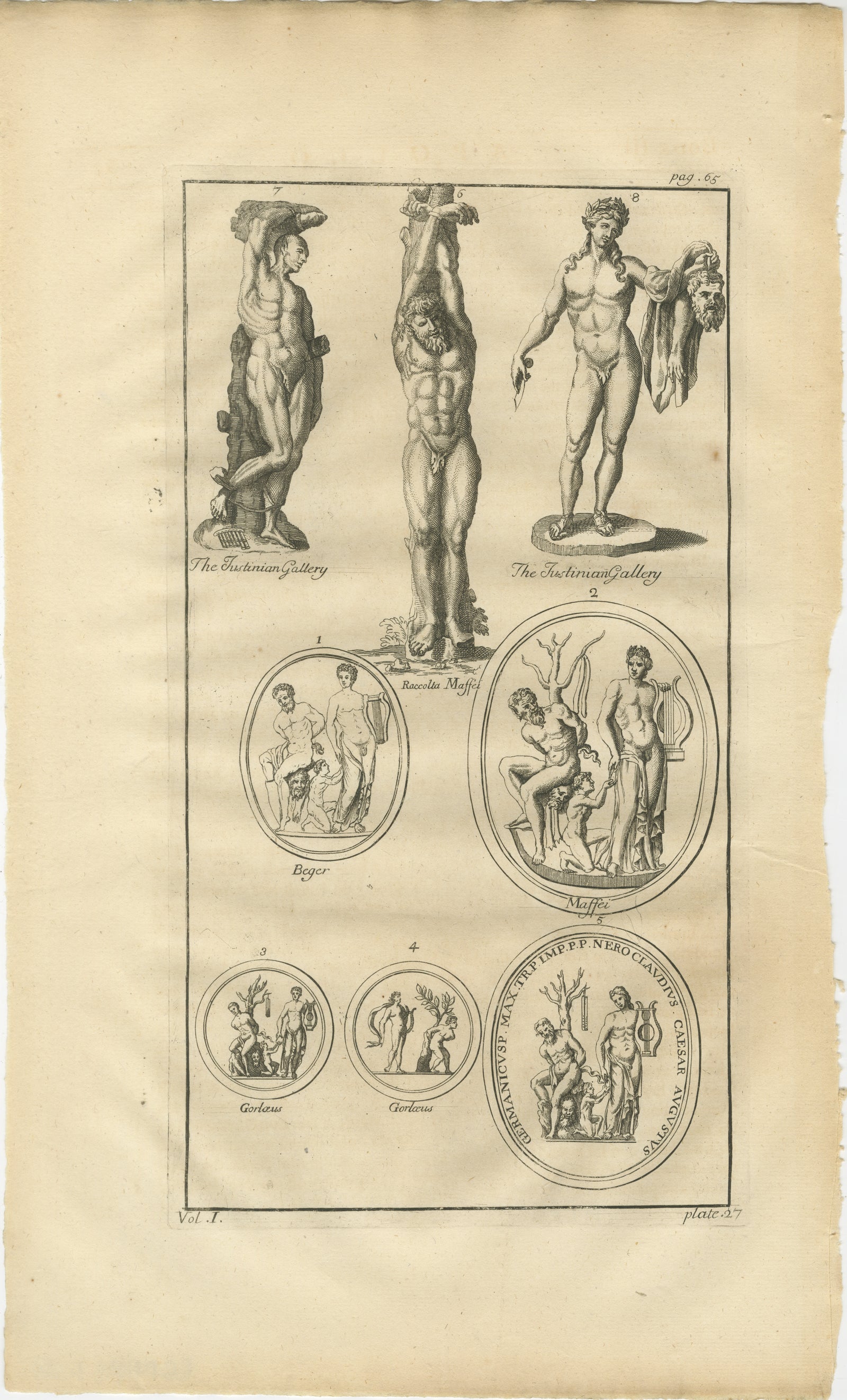
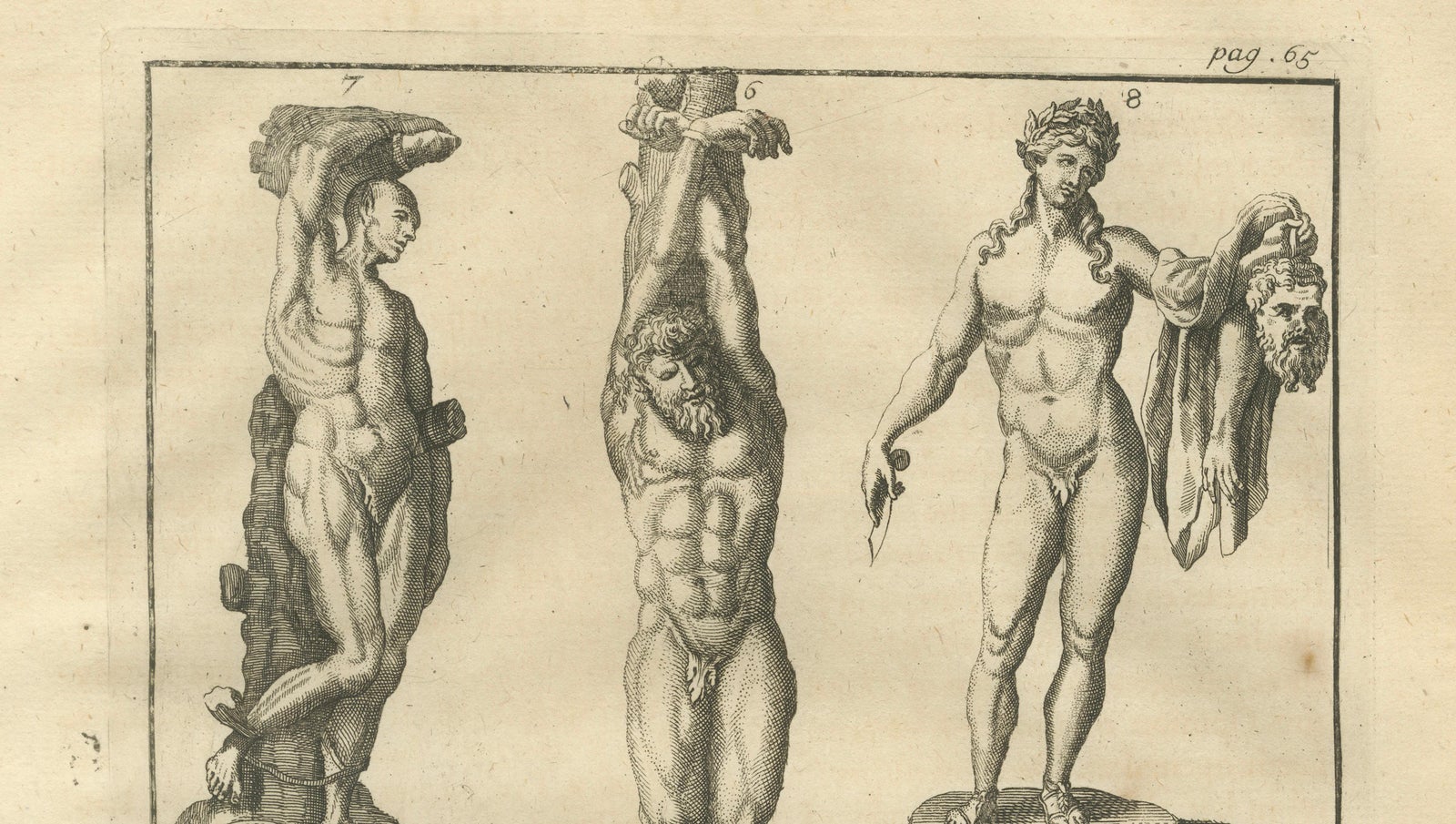
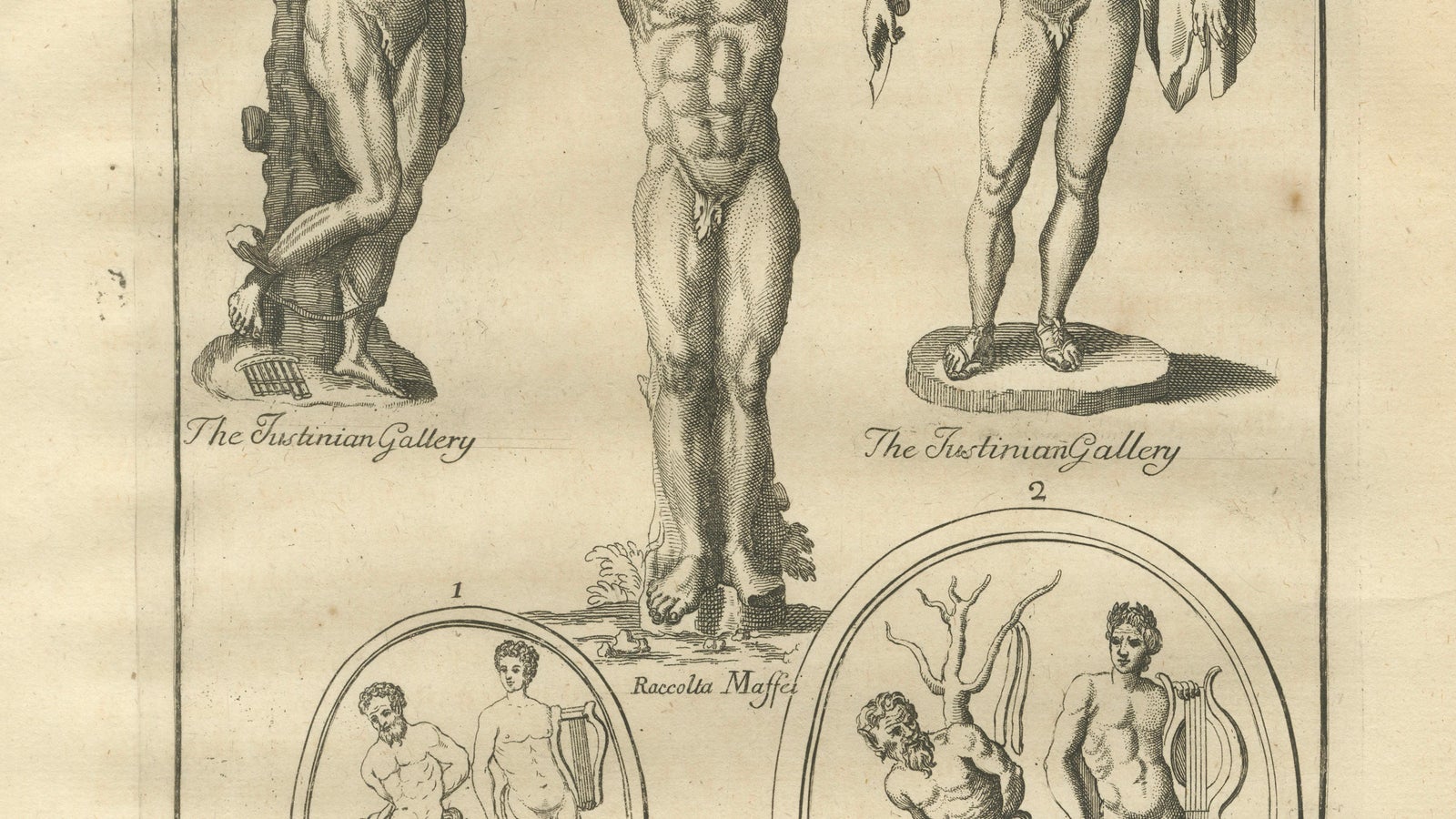
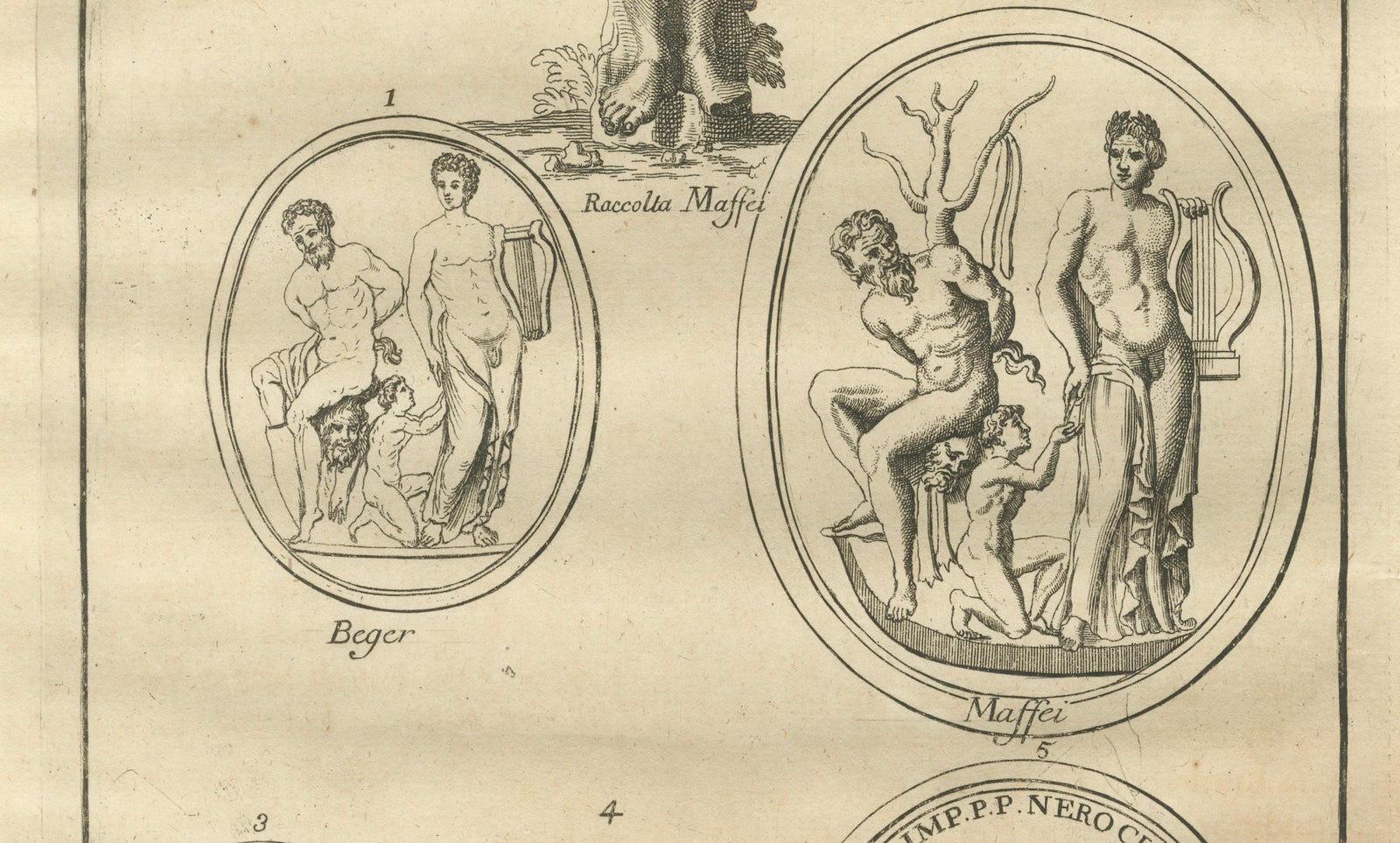
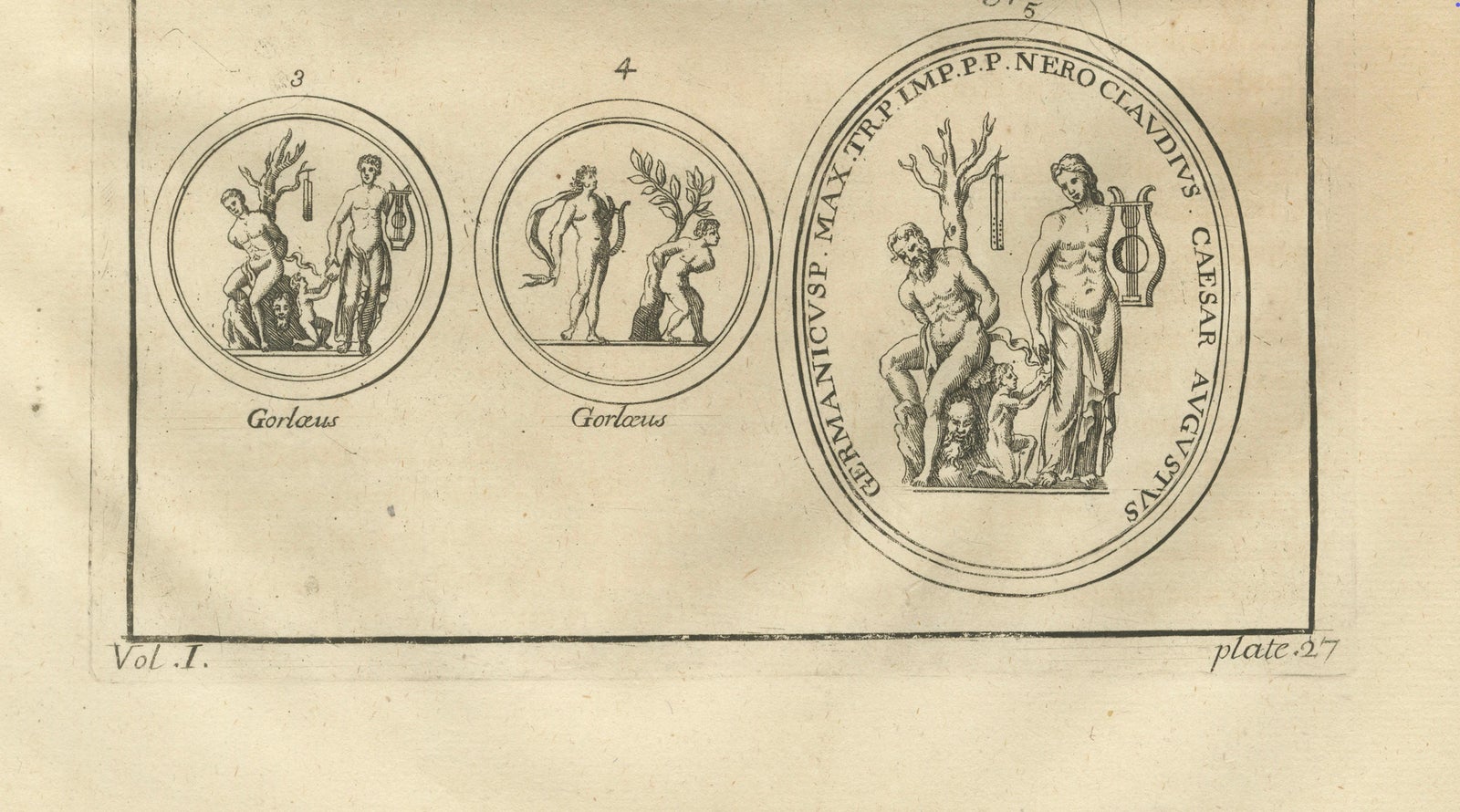
This striking large-format engraving comes from Bernard de Montfaucon’s foundational antiquarian publication Antiquity Explained and Represented in Sculptures, Volume I, issued in London in 1721. The plate presents a powerful selection of classical Roman statuary, arranged vertically to emphasize the monumentality of the original sculptures, and complemented by engraved medallions after antique reliefs and coins.
Dominating the composition are three full-length male statues, shown in contrapposto poses that highlight idealized anatomy, muscular tension, and the sculptural language of antiquity. Identified by Montfaucon as belonging to important Roman collections such as the Justinian Gallery and the Raccolta Maffei, these figures reflect the scholarly effort to catalogue and preserve Rome’s sculptural heritage at a moment when archaeology was emerging as a formal discipline.
Below and alongside the statues, circular and oval medallions reproduce relief compositions and numismatic imagery, reinforcing Montfaucon’s method of connecting monumental sculpture with smaller-scale ancient objects. This layered presentation gives the plate both academic depth and strong decorative rhythm. The vertical emphasis, combined with generous margins and balanced spacing, makes this sheet particularly effective as a statement piece in an interior.
While originally intended as a scholarly reference, today the plate reads as an architectural artwork. Its scale, classical subject matter, and restrained engraving style make it ideal for designers seeking gravitas without visual clutter, well suited to libraries, studies, stair halls, hotel corridors, or gallery walls where calm authority and historical presence are desired.
Montfaucon’s work is universally regarded as one of the cornerstones of classical archaeology and art history. Plates from the first English edition are increasingly scarce on the market and valued for both their intellectual importance and timeless decorative appeal.
Condition report
Original 18th-century engraving on laid paper. Moderate age-related toning and scattered spotting. Light wear to edges and margins. Impression slightly soft in places, consistent with folio plates from this work. Overall a well-preserved and visually impressive example.
Framing tips
This vertical composition benefits from generous matting to enhance its architectural feel. An off-white or warm ivory mat paired with a dark wood, black, or lightly antiqued gilt frame works particularly well. Museum glass is recommended to protect the paper while preserving clarity.
Technique: Engraving
Maker: Bernard de Montfaucon, France / London, 1721