Close-ups
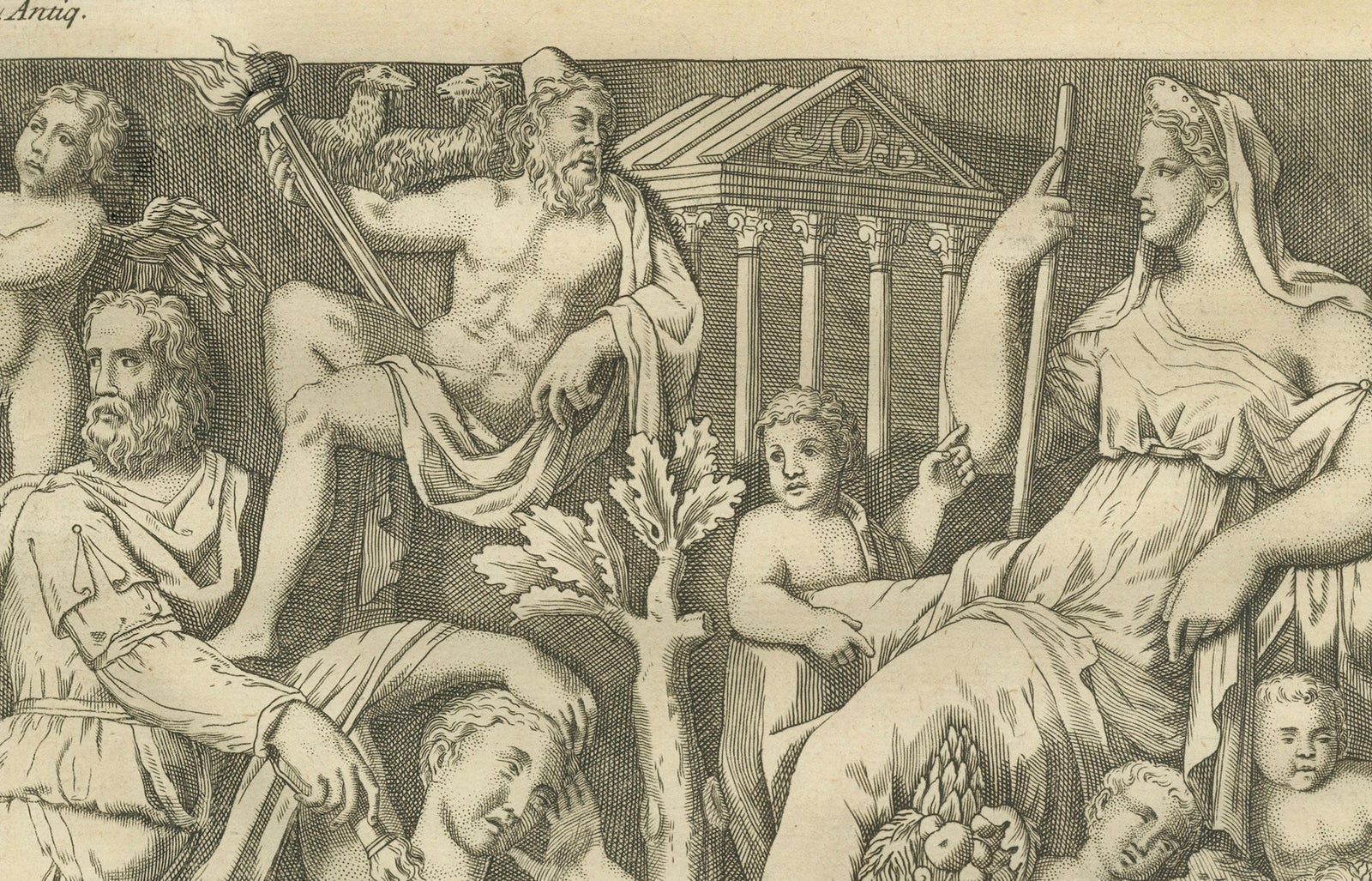
Framed and on the wall
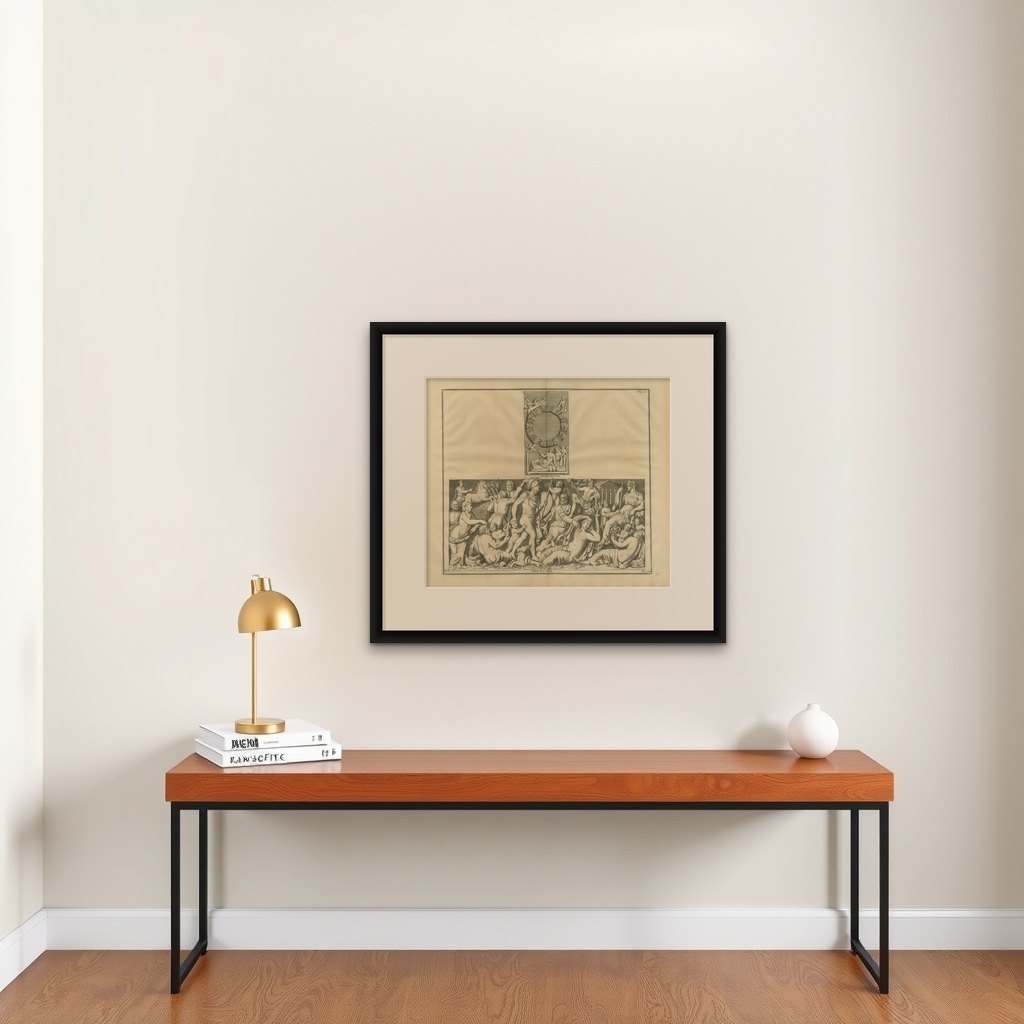
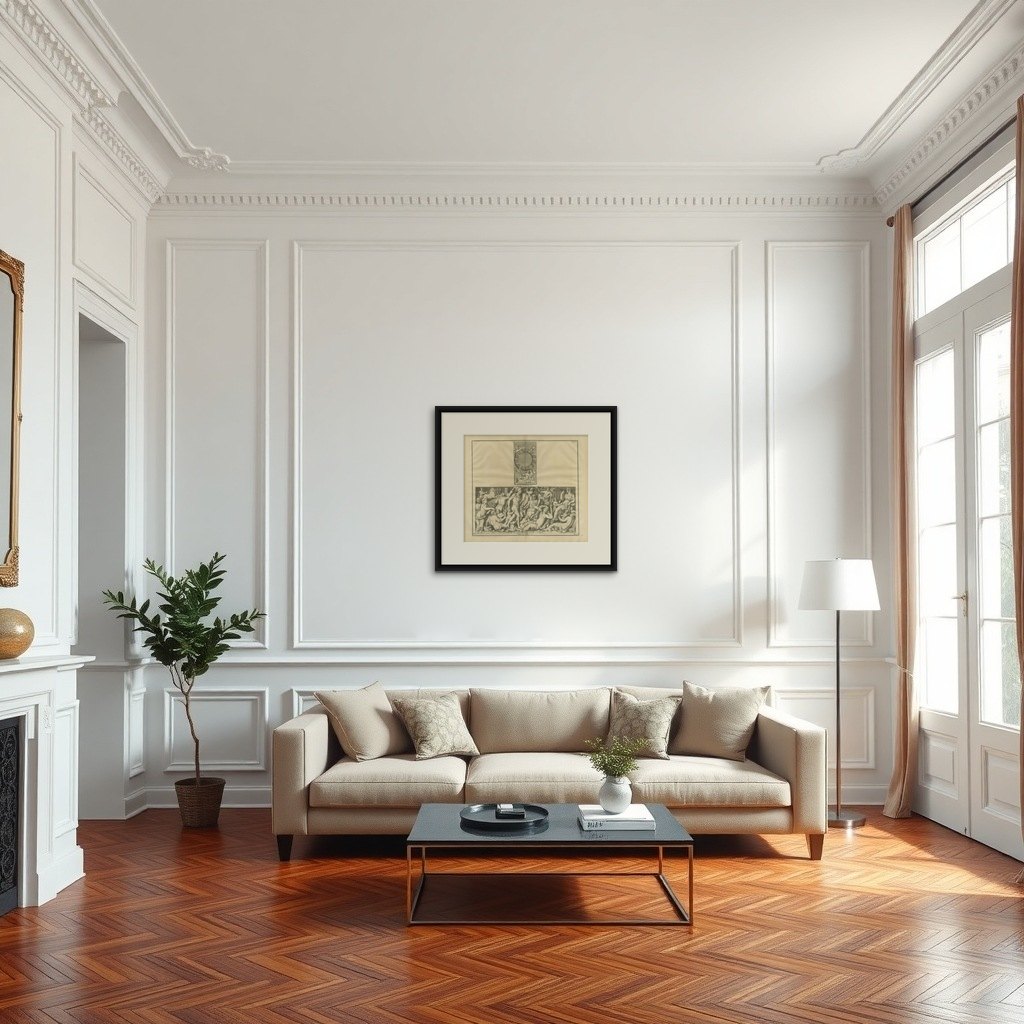
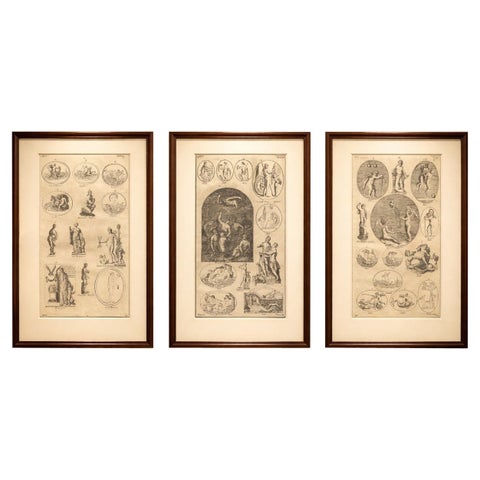
Frame and rooms are illustrations of how the print could look, drawn to its real size; it is sold unframed unless the description says otherwise.
Antiquity & ruins
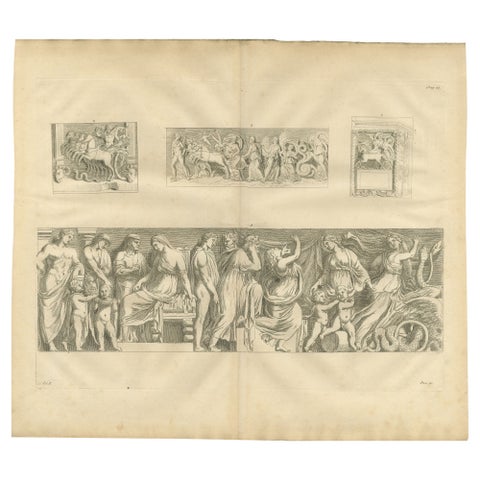
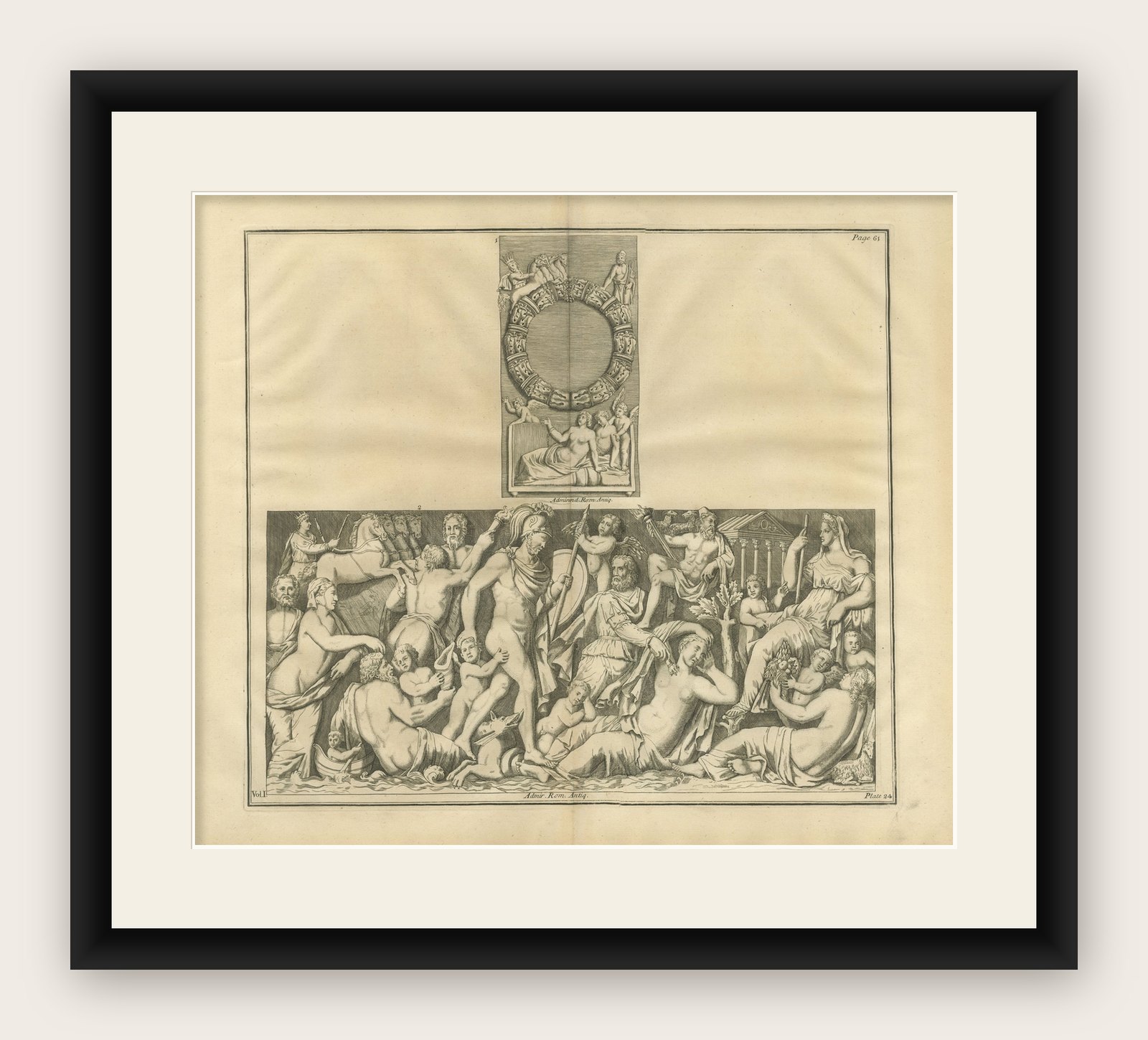
Monumental Classical Relief Frieze, Montfaucon Antiquity Explained, London 1721
$1,400
€1,250 · £1,060
Original print, not a reproduction
Ships worldwide from the Netherlands, flat, insured and tracked. 14-day returns. To buy, use Ask a question (info@antiquearchitectureprints.com) and we will reserve it for you.
- Date
- 1721
- Sheet size
- 16.7 × 19.8 in (42.3 × 50.2 cm)
- Condition
- Good. Good overall antique condition. A central vertical fold line as issued. Light age toning and minor surface marks consistent with age. No major losses. The softness of the impression is inherent to the original printing.
- Collection
- Antiquity & ruins
- Era
- 1700 to 1789, Baroque to Neoclassical
- Stock no.
- f_48027902
Monumental Classical Relief Frieze, Montfaucon Antiquity Explained, London 1721
Description:
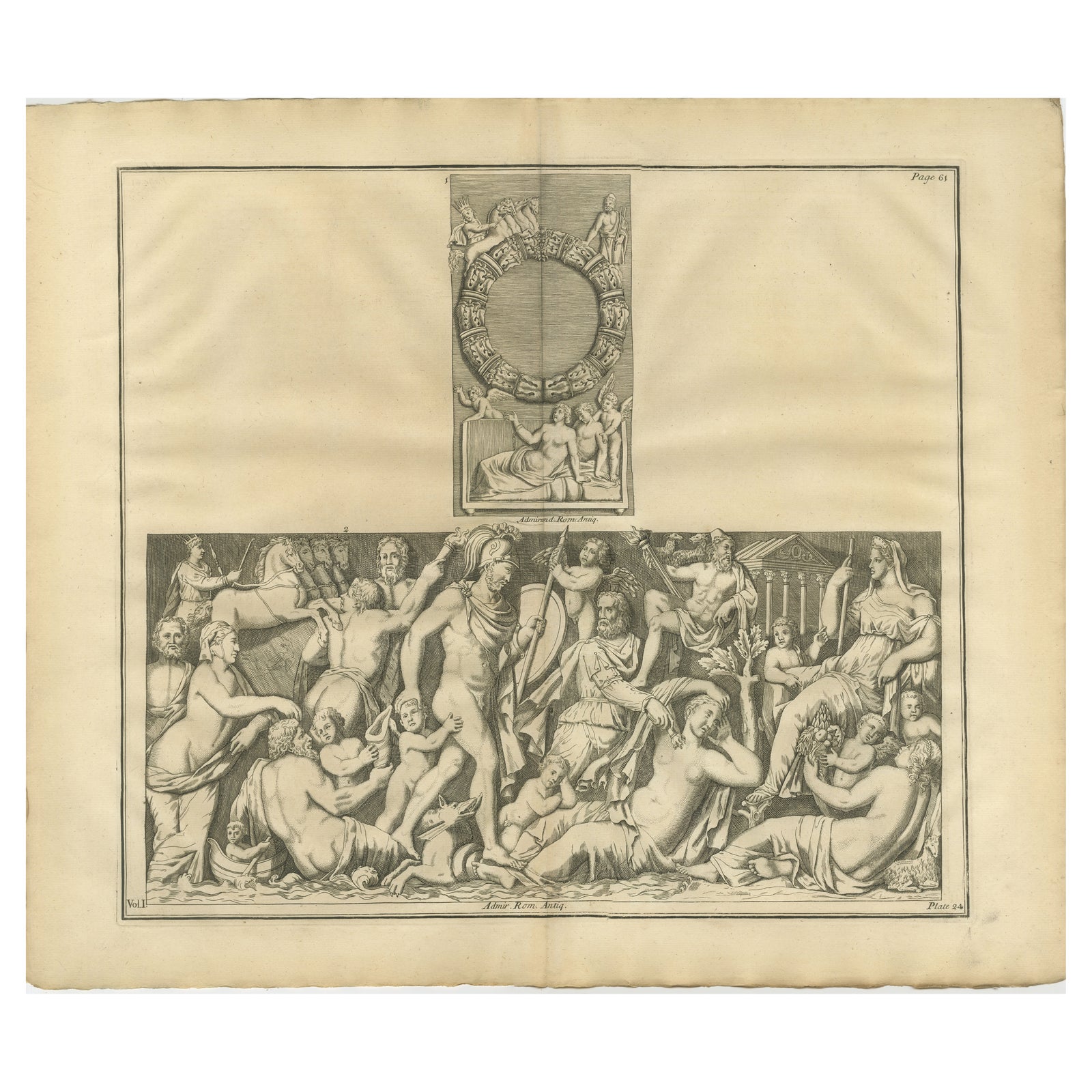
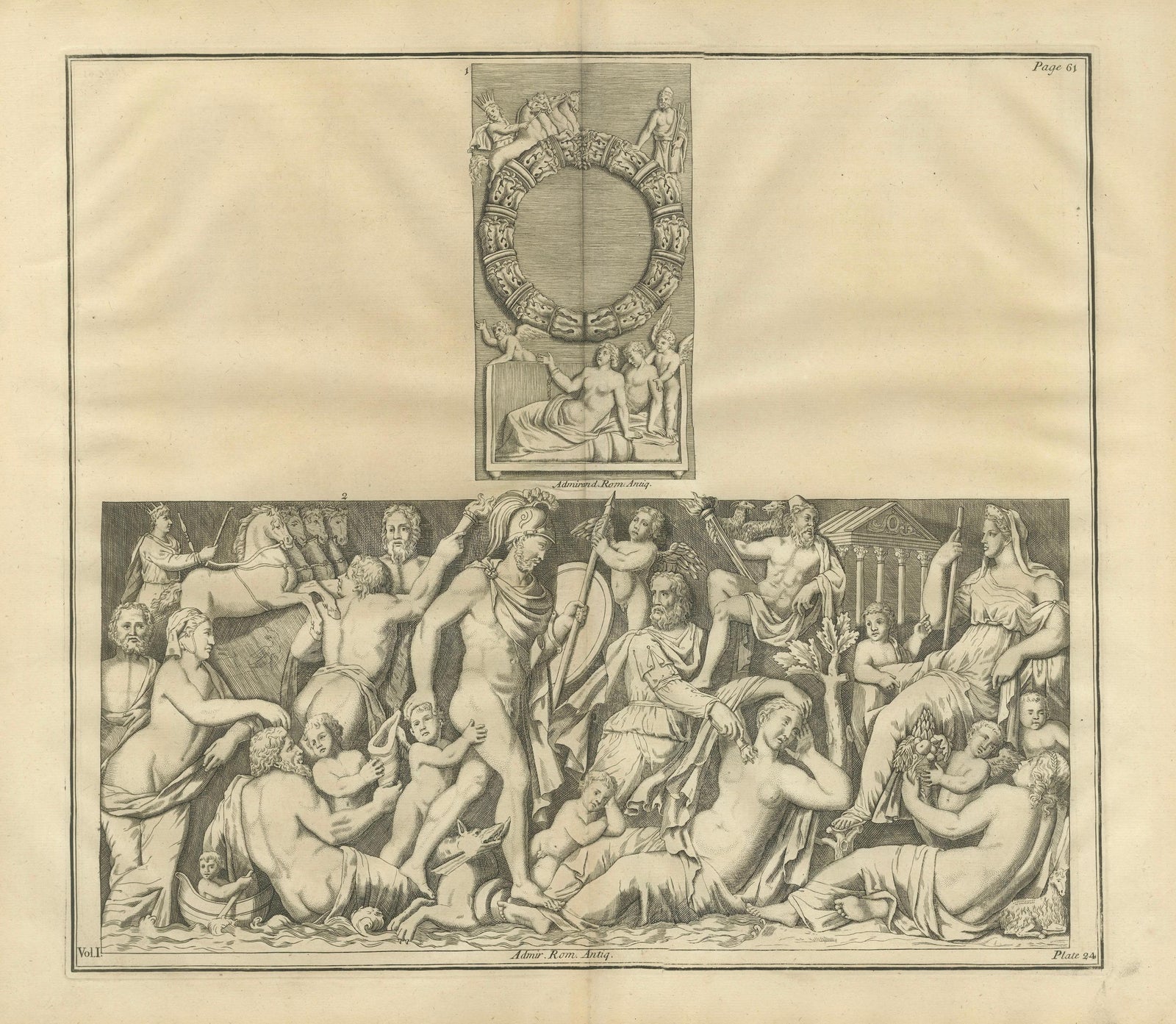
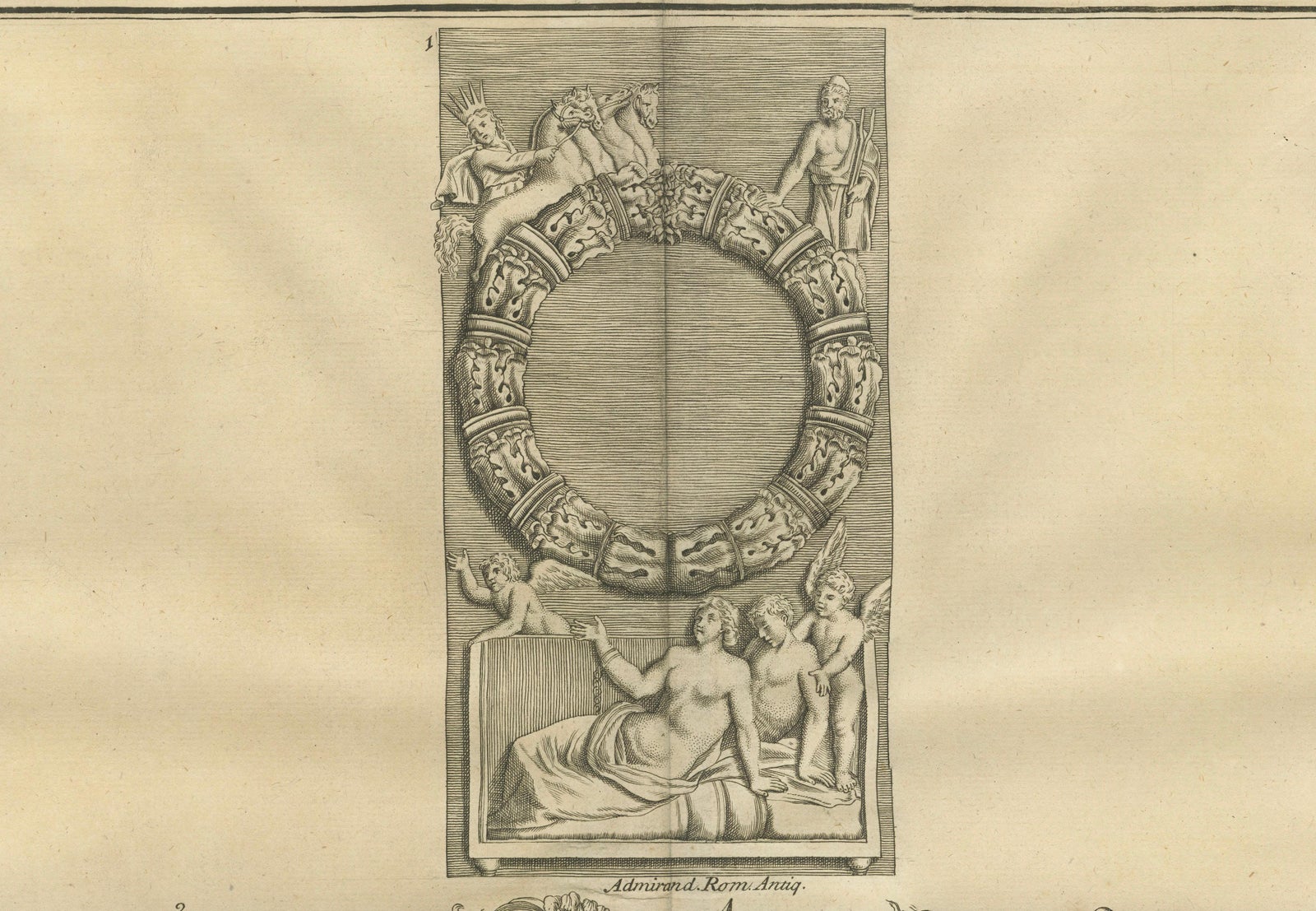
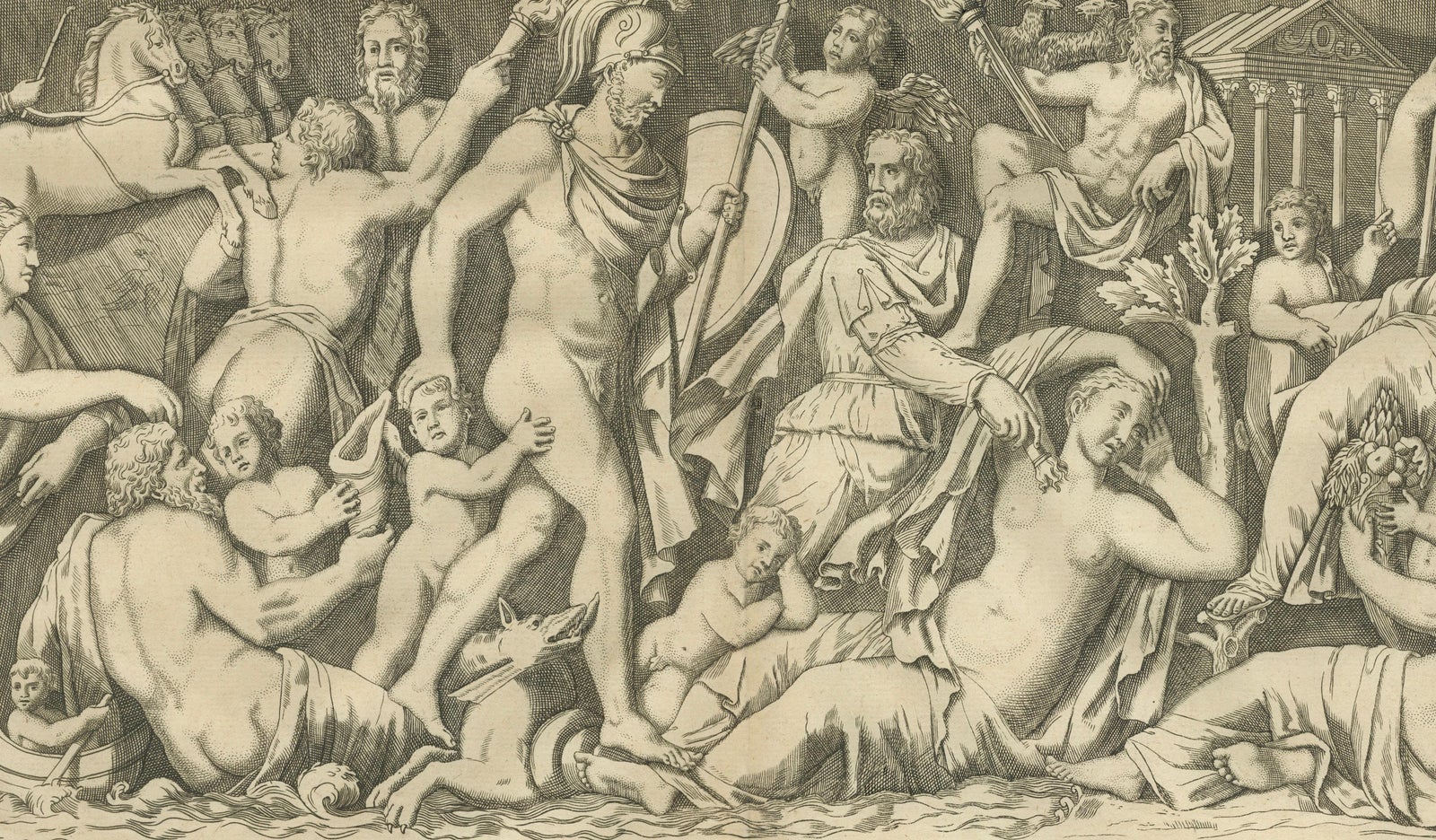
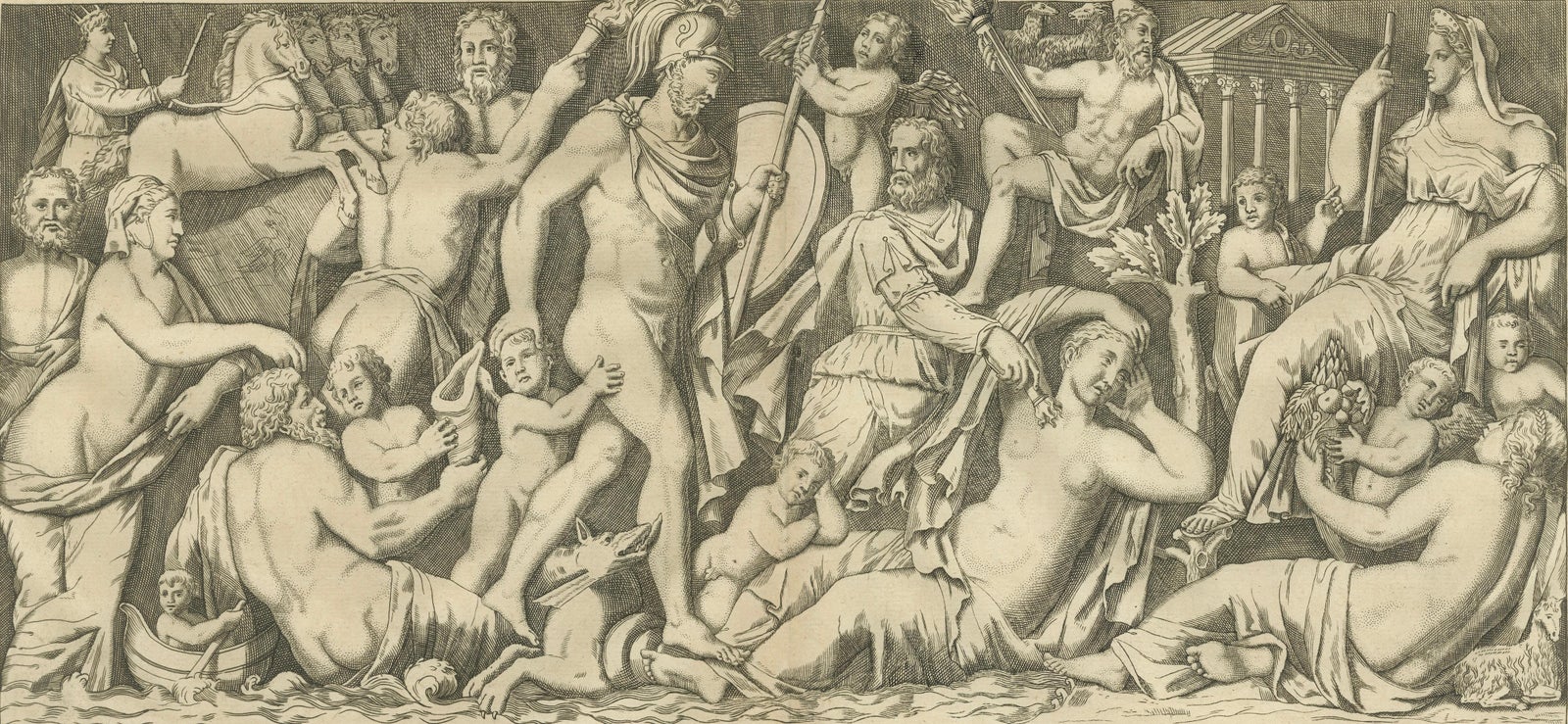
This impressive engraved plate comes from Bernard de Montfaucon’s landmark work Antiquity Explained and Represented in Sculptures, published in London in 1721. The composition reproduces a monumental classical relief, densely populated with reclining and standing figures, putti, and symbolic attributes arranged in a continuous horizontal frieze. The scene evokes the sculptural language of Roman sarcophagi and architectural decoration, intended to convey abundance, harmony, and mythological or allegorical narrative rather than a single isolated episode.
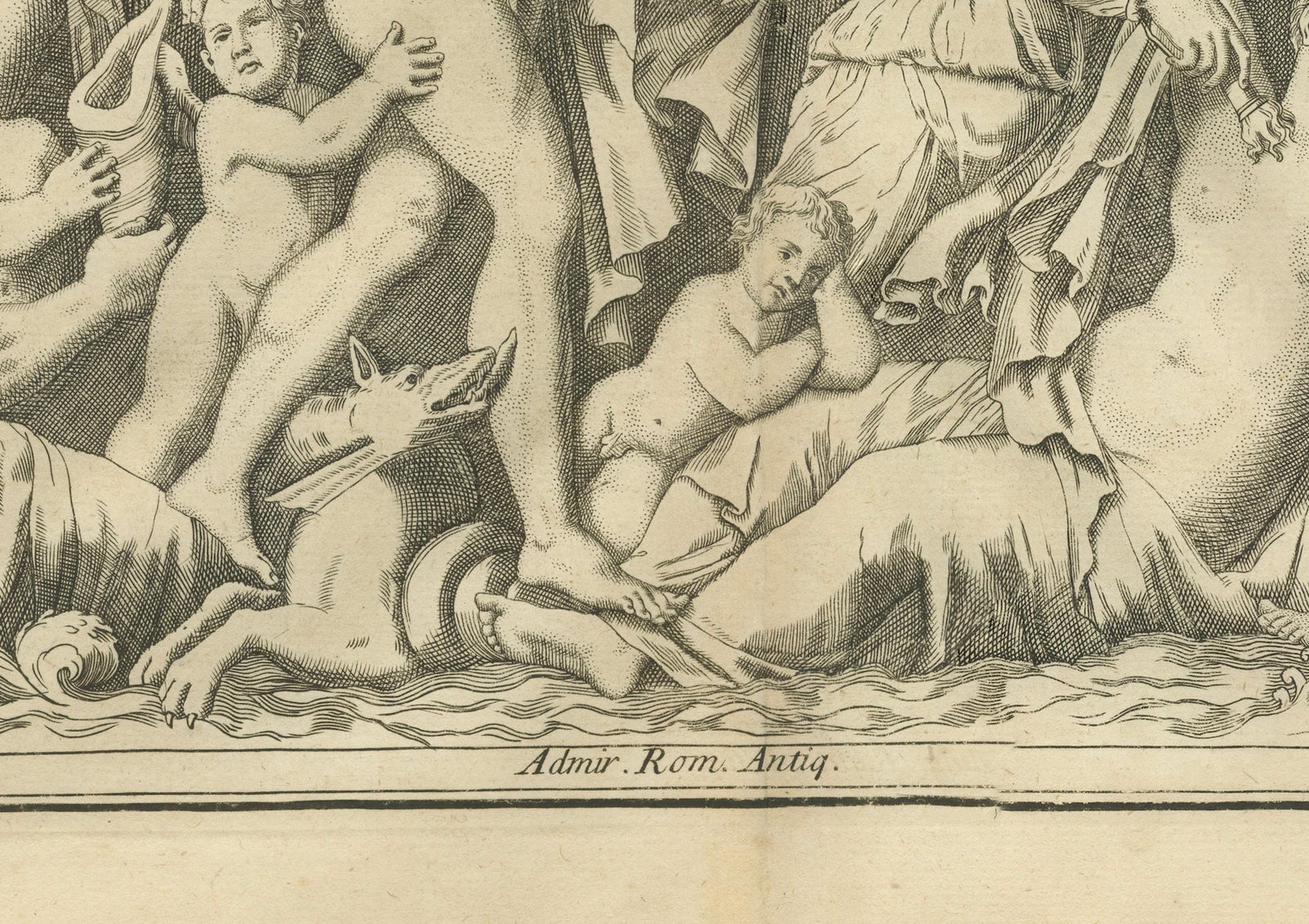
Montfaucon’s ambition with this publication was to systematically document ancient sculpture as a visual archive for scholars, artists, and collectors. Plates such as this were engraved to communicate scale, rhythm, and compositional balance, making them especially compelling today as decorative works in their own right. The engraving captures the sculptural depth through subtle shading and careful line work, translating stone relief into a richly textured printed image.
What sets this plate apart is its strong horizontal format and visual density, giving it exceptional presence when framed. The scene reads as an architectural element, almost like a built-in frieze or overdoor panel, making it ideal for large walls, corridors, staircases, hotel interiors, or above furniture such as consoles or sofas. From a distance, the overall rhythm and silhouettes dominate; up close, the viewer is rewarded with finely engraved details and expressive figures.
Although the impression is softer than some later academic engravings, this is entirely consistent with early 18th-century book illustration and contributes to its authenticity and decorative warmth. The sheet embodies the scholarly and aesthetic ideals of the early Enlightenment, when classical antiquity was studied not only as history but as a living source of artistic inspiration.
Condition:
Good overall antique condition. A central vertical fold line as issued. Light age toning and minor surface marks consistent with age. No major losses. The softness of the impression is inherent to the original printing.
Framing tips:
This plate benefits from generous matting to emphasize its scale. A wide off-white or warm ivory mat with a thin inner fillet works well. Frame suggestions include dark walnut, ebonized wood, or antique gilt for a more classical interior. Ideal for horizontal placement above furniture or as a statement piece in a long hallway.
Technique: Copper engraving
Maker: Bernard de Montfaucon, France / London edition, 1721