Framed and on the wall
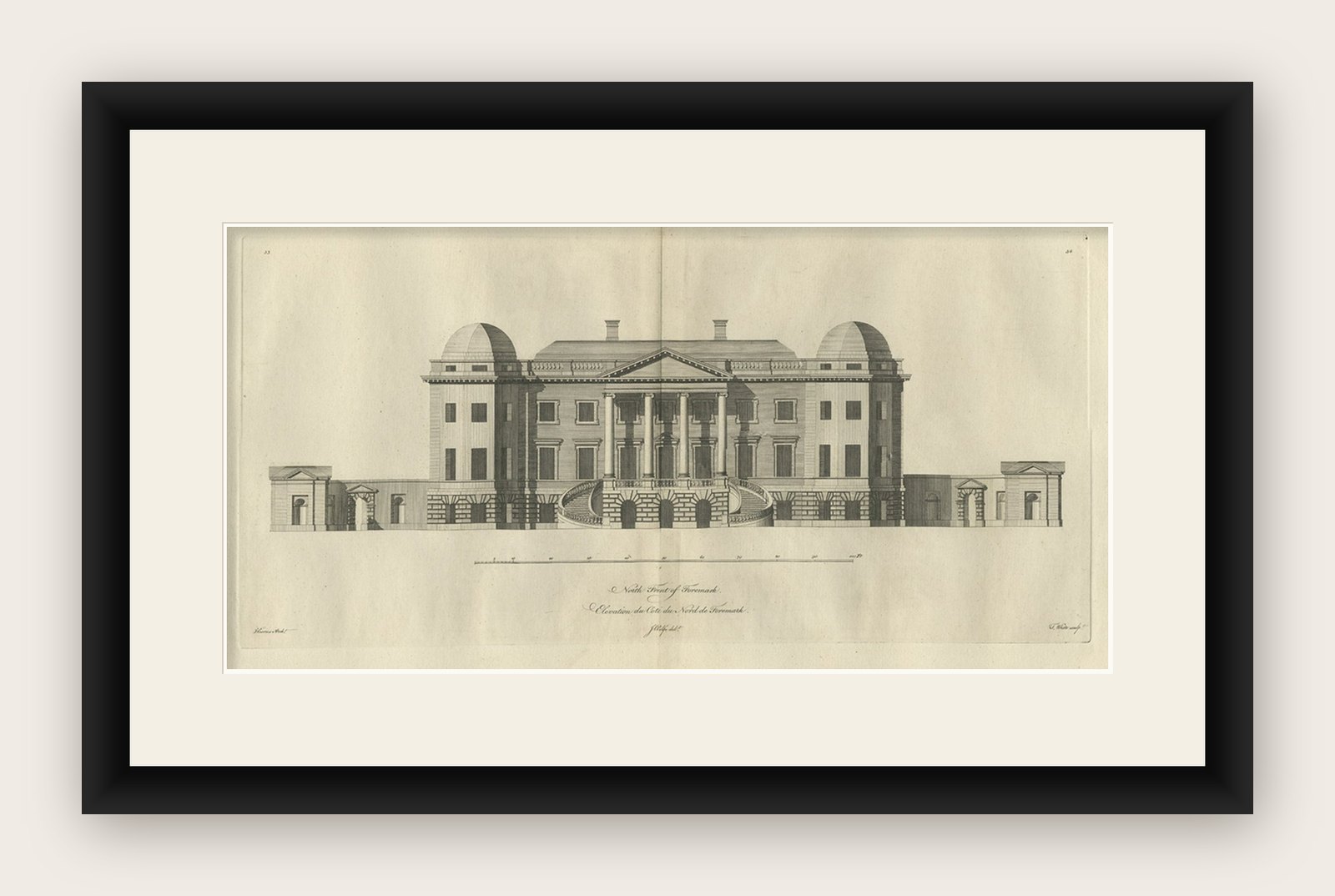
Frame and rooms are illustrations of how the print could look, drawn to its real size; it is sold unframed unless the description says otherwise.
Castles & palaces
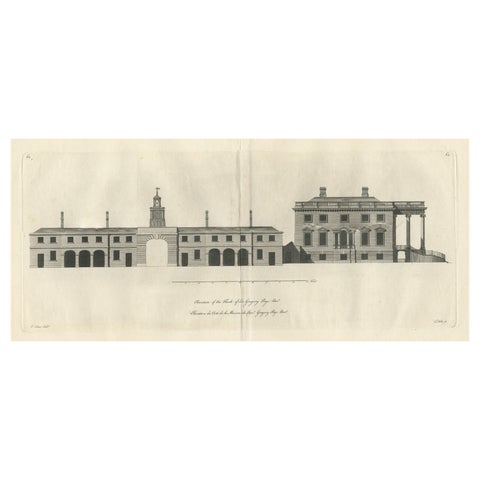
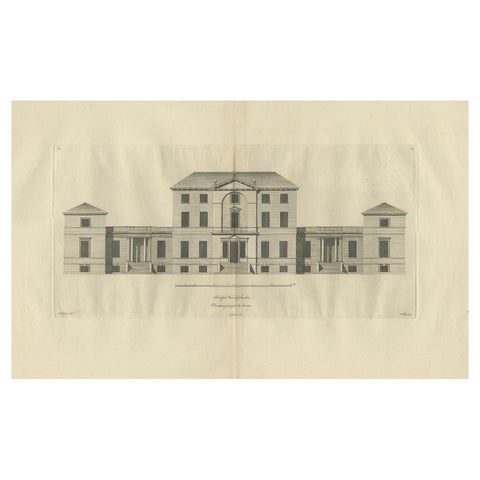
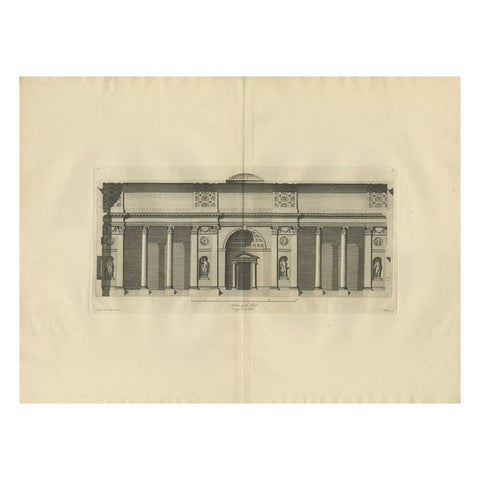
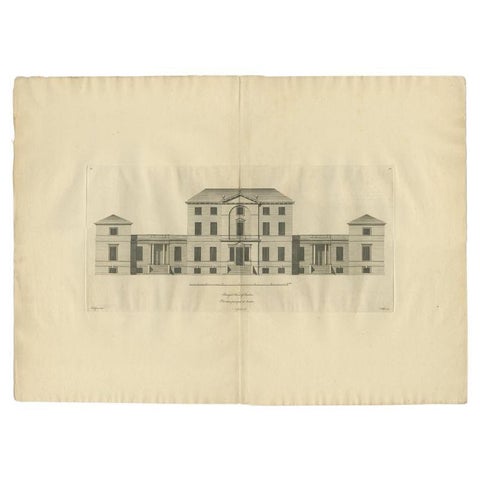
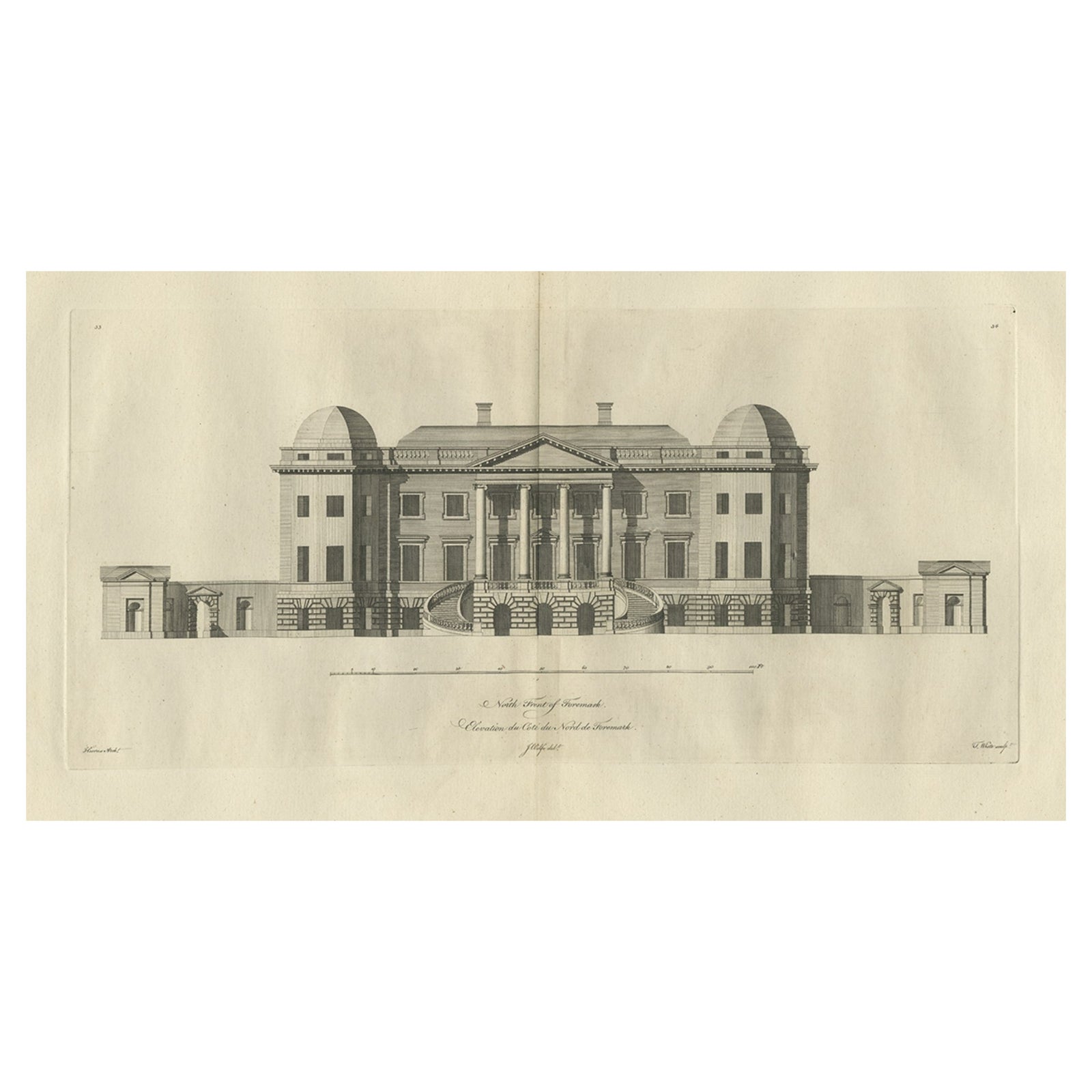
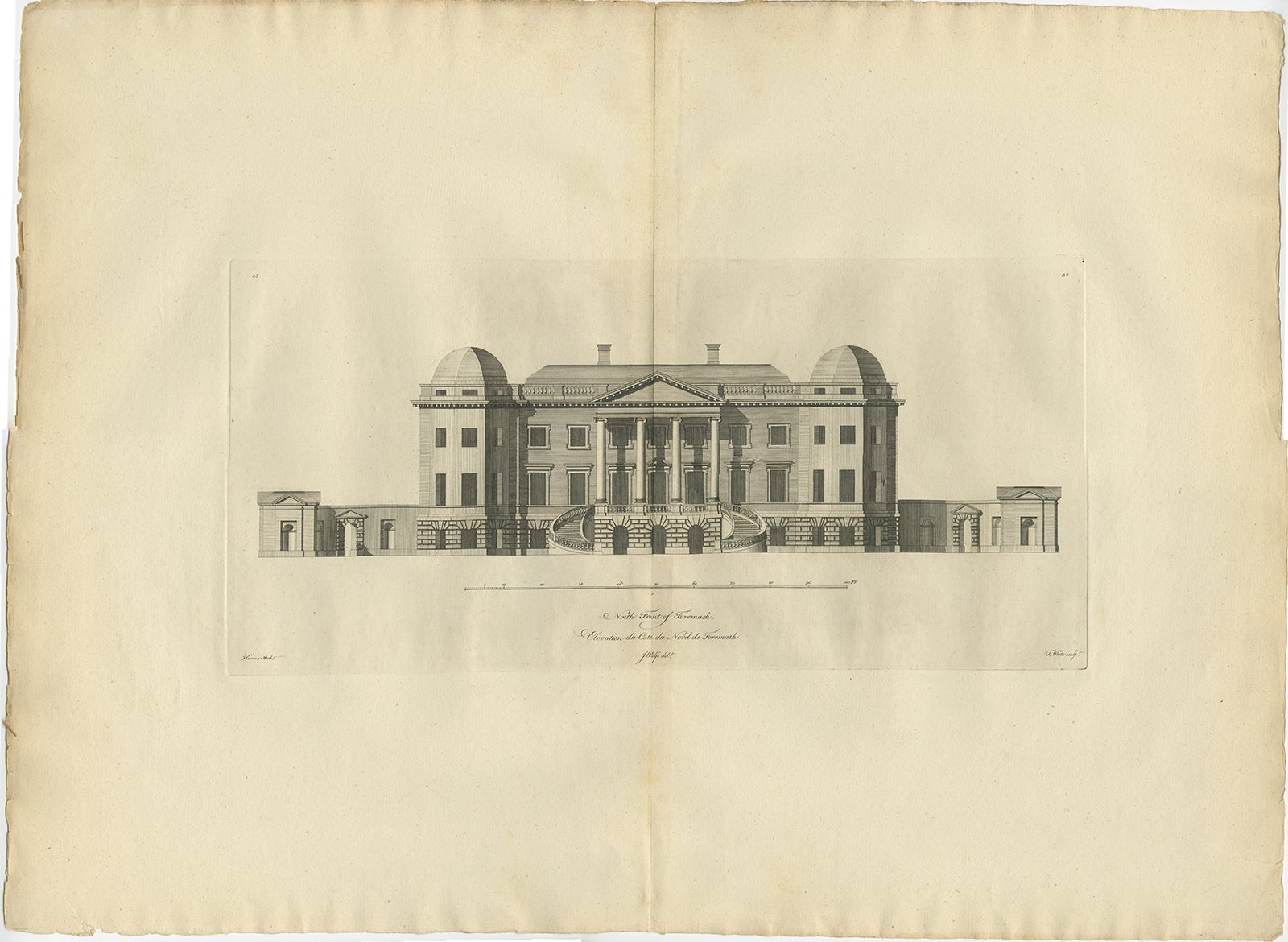
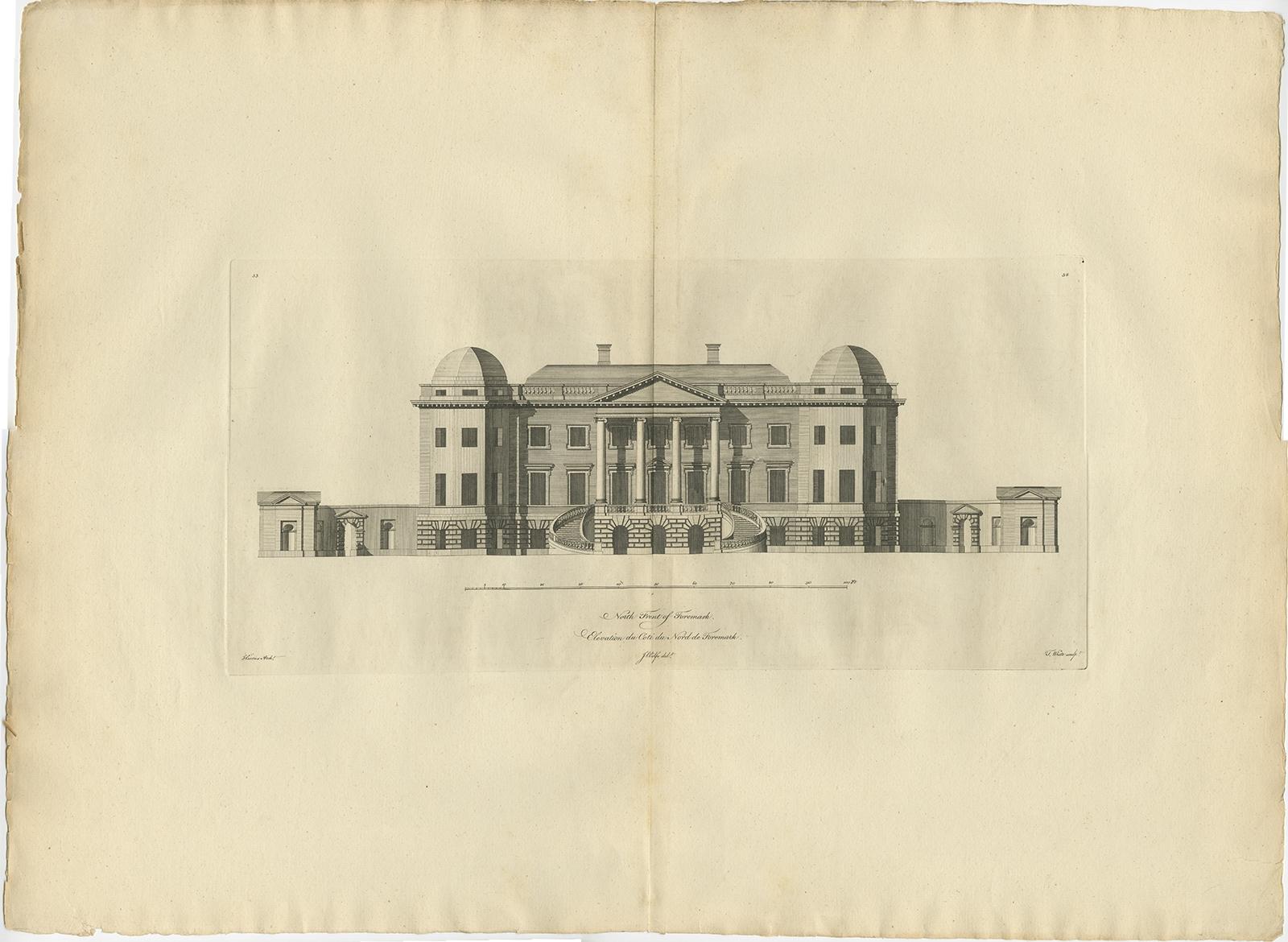
Old Engraving of Foremarke Hall, a Manor House in Derbyshire, England, ca.1770
£610£45525% off
$600 · €546
Original print, not a reproduction
Ships worldwide from the Netherlands, flat or rolled, insured and tracked. 14-day returns.
- Date
- 1770
- Sheet size
- 22.4 × 30.1 in (57 × 76.5 cm)
- Technique
- Engraved
- Condition
- Very good, age-related toning. Blank verso. Strong paper. Minor wear, please study image carefully.
- Collection
- Castles & palaces
- Era
- 1700 to 1789, Baroque to Neoclassical
- Stock no.
- BG-12208-360
What the condition grades mean
- Excellent
- Bright and clean, with no faults worth mentioning.
- Very good
- Only light signs of age, such as faint toning.
- Good
- Normal signs of age for a sheet of this period: toning, some foxing, small marks or neat old repairs.
- Fair
- Clear faults such as staining, tears or repairs, priced to match.
Every fault we see is written in the condition note, and the whole sheet is shown uncropped in the photos.
Description: Antique print titled 'North Front of Foremark (..)'.
Old engraving of Foremarke Hall, a Georgian-Palladian country house and manor house. This print originates from 'Vitruvius Britannicus' by Colen Campbell.
Foremarke Hall is a Georgian-Palladian country house and manor house. Completed in 1762, the Hall is located at the manor (hamlet) of Foremark, near the hamlets of Ingleby, Ticknall, Milton, and the village of Repton in South Derbyshire, England. It is the current home of the Repton Preparatory School (known as Repton Prep). Before becoming the Preparatory School, Foremarke Hall was the ancestral home of the Burdett family of Bramcote. It is a Grade I listed building. The school and a Great Western Railway "Modified Hall" class steam locomotive, no. 7903, are named after this hall.
Artists and Engravers: Colen Campbell's Vitruvius Britannicus is considered one of the greatest eighteenth-century English architectural works. Campbell published the first three volumes between 1715 and 1725, but the text was continued in two subsequent volumes by Woolfe and Gandon in 1767 and 1771. The work is comprised of large, finely engraved illustrations, plans, and cross sections of English country houses and parks.