Close-ups
Framed and on the wall
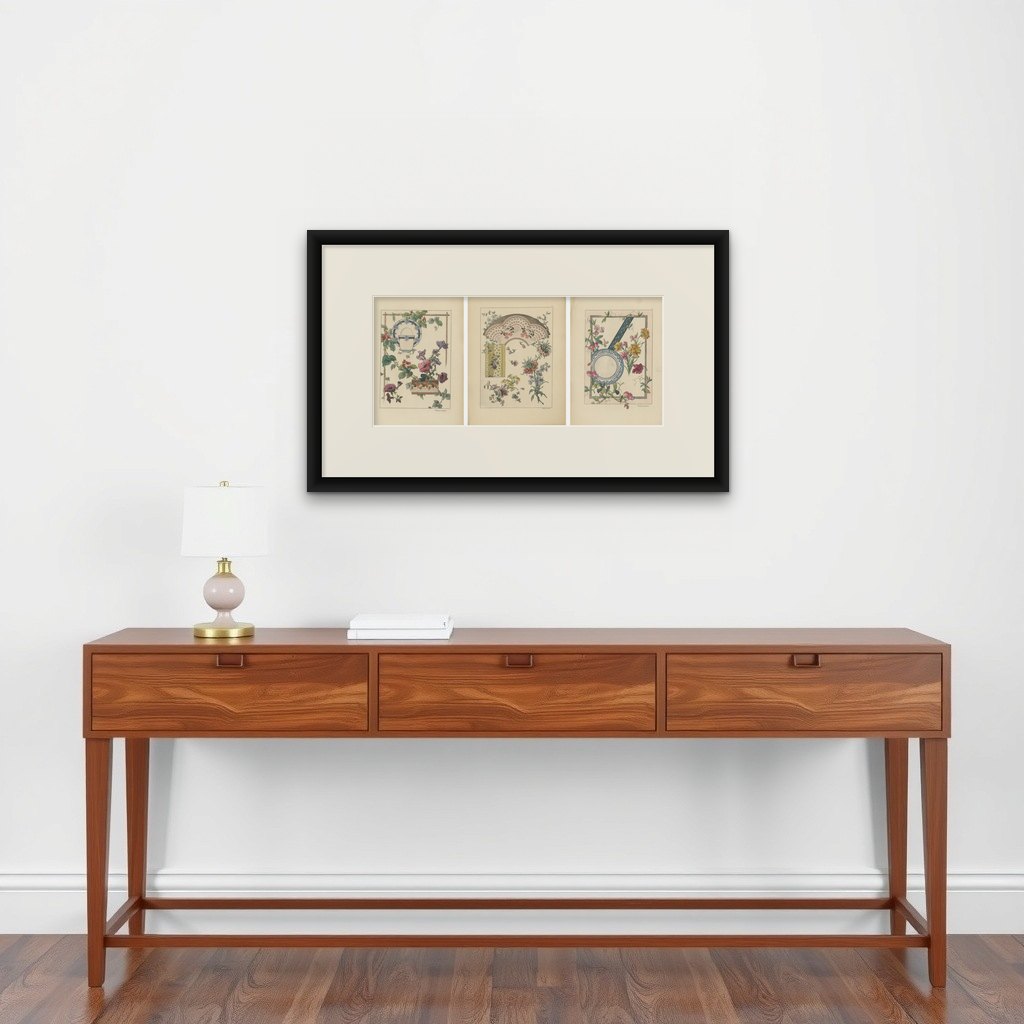
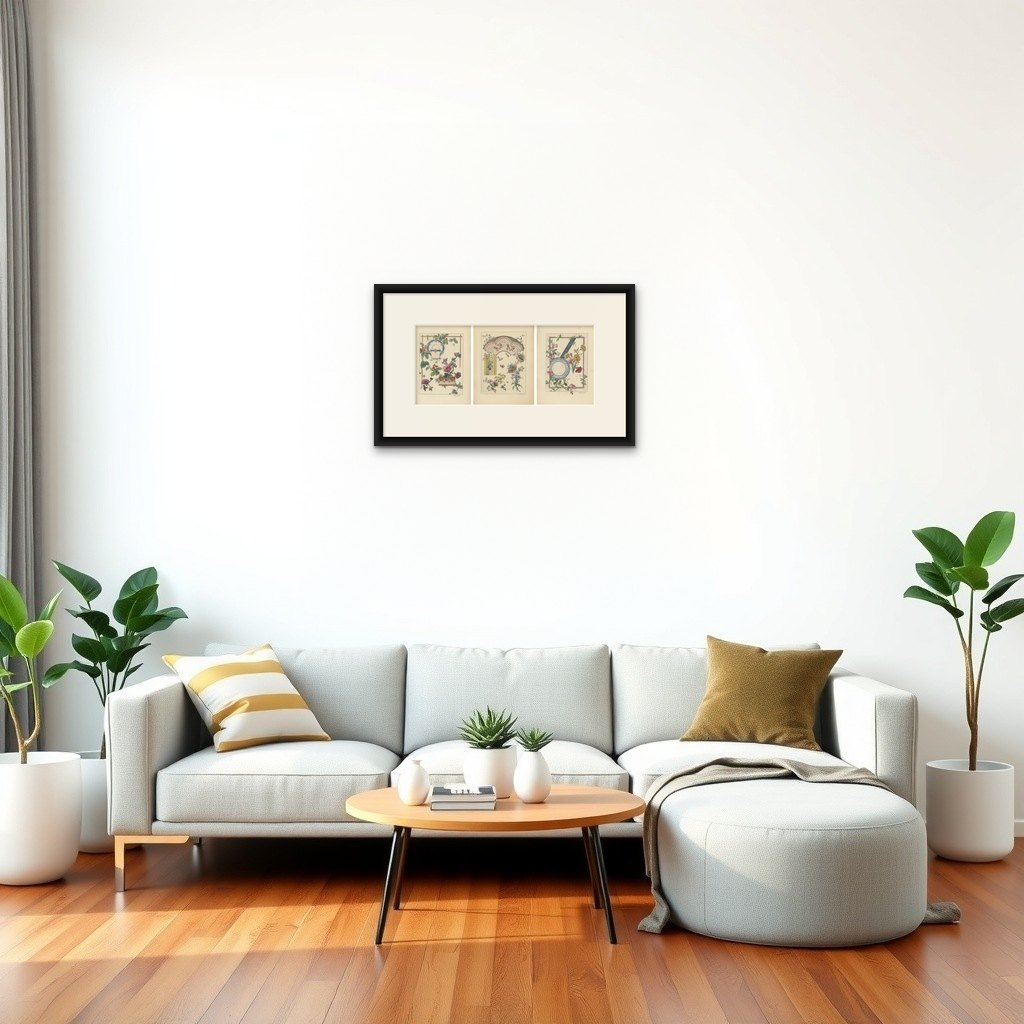
Frame and rooms are illustrations of how the print could look, drawn to its real size; it is sold unframed unless the description says otherwise.
Ornament & pattern
La Flore Décorative The Graceful Symbiosis of Nature and Ornament in 1896
€540
$610 · £460
Original print, not a reproduction
Ships worldwide from the Netherlands, flat, insured and tracked. 14-day returns. To buy, use Ask a question (info@antiquearchitectureprints.com) and we will reserve it for you.
- Date
- 1896
- Sheet size
- 19.7 × 13.8 in (50 × 35 cm)
- Condition
- Good. Good condition, with minor signs of age-related toning around the edges. The colors remain vibrant, and the details of the lithographic printing process are well preserved. There are no major blemishes, creases, or tears in the image.
- Collection
- Ornament & pattern
- Era
- 1850 and after, The age of revivals
- Stock no.
- f_43982262
La Flore Décorative The Graceful Symbiosis of Nature and Ornament in 1896
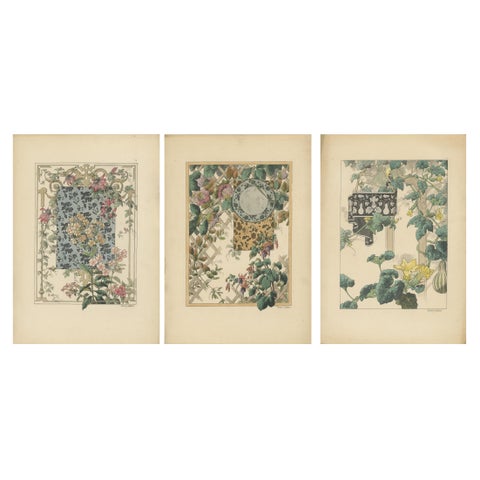
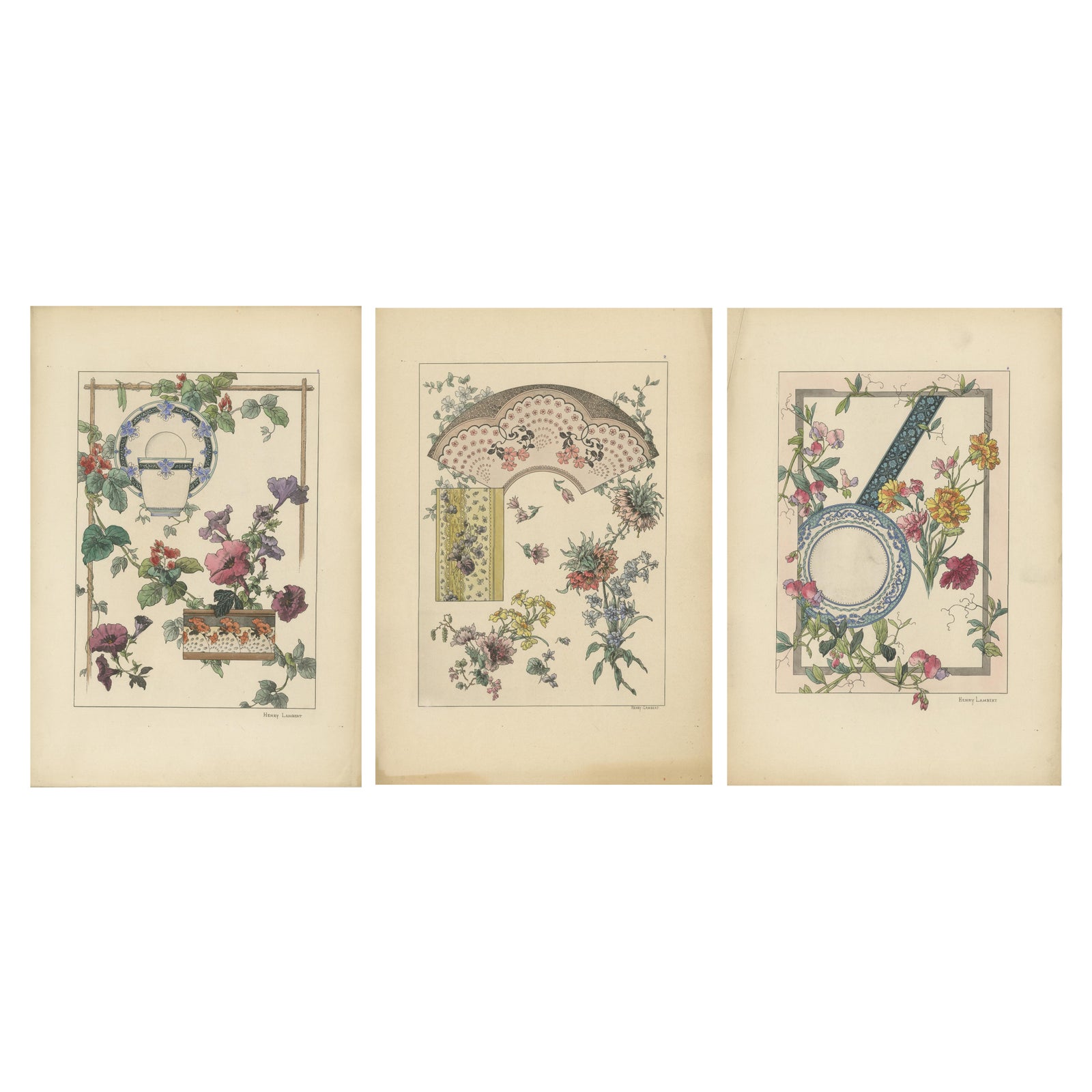
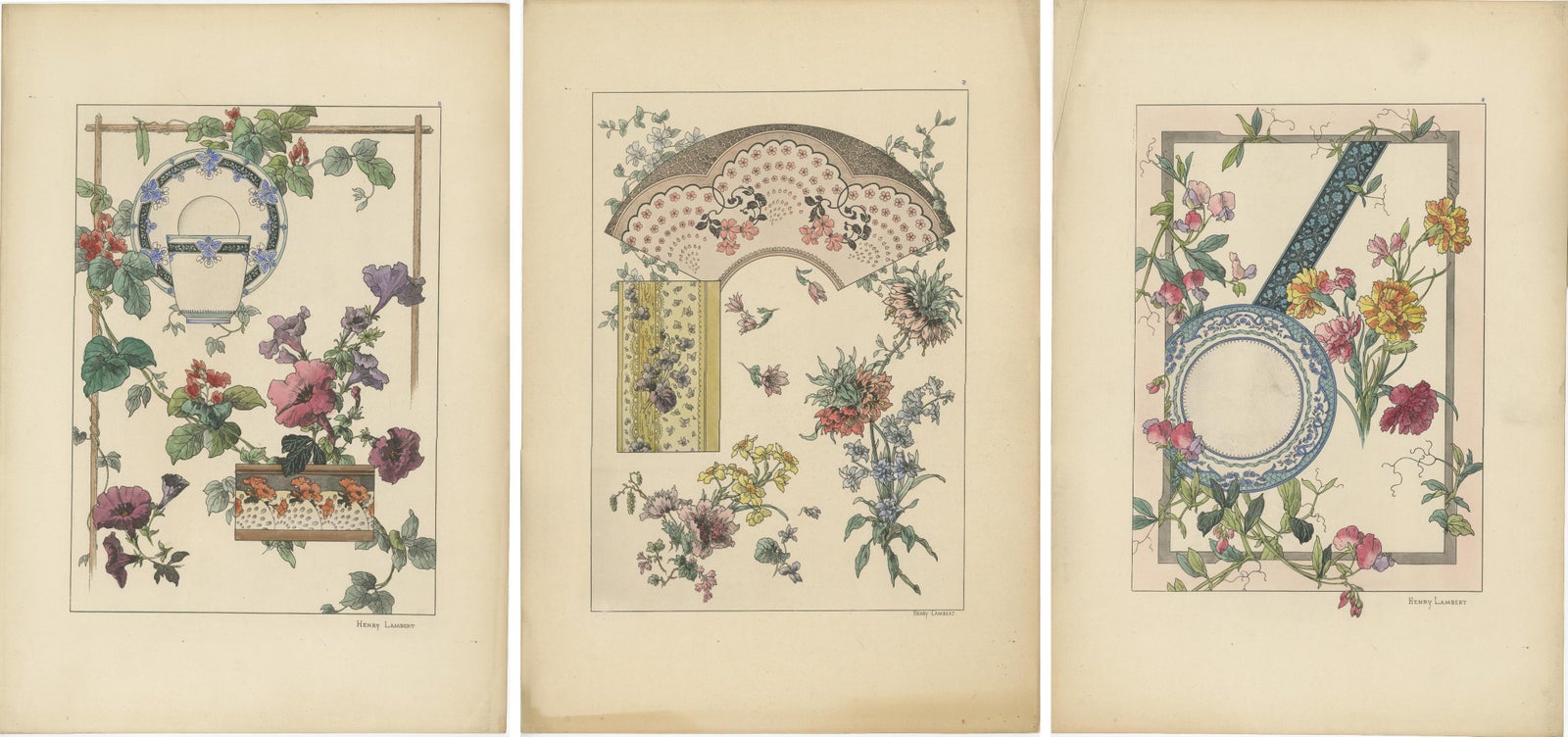
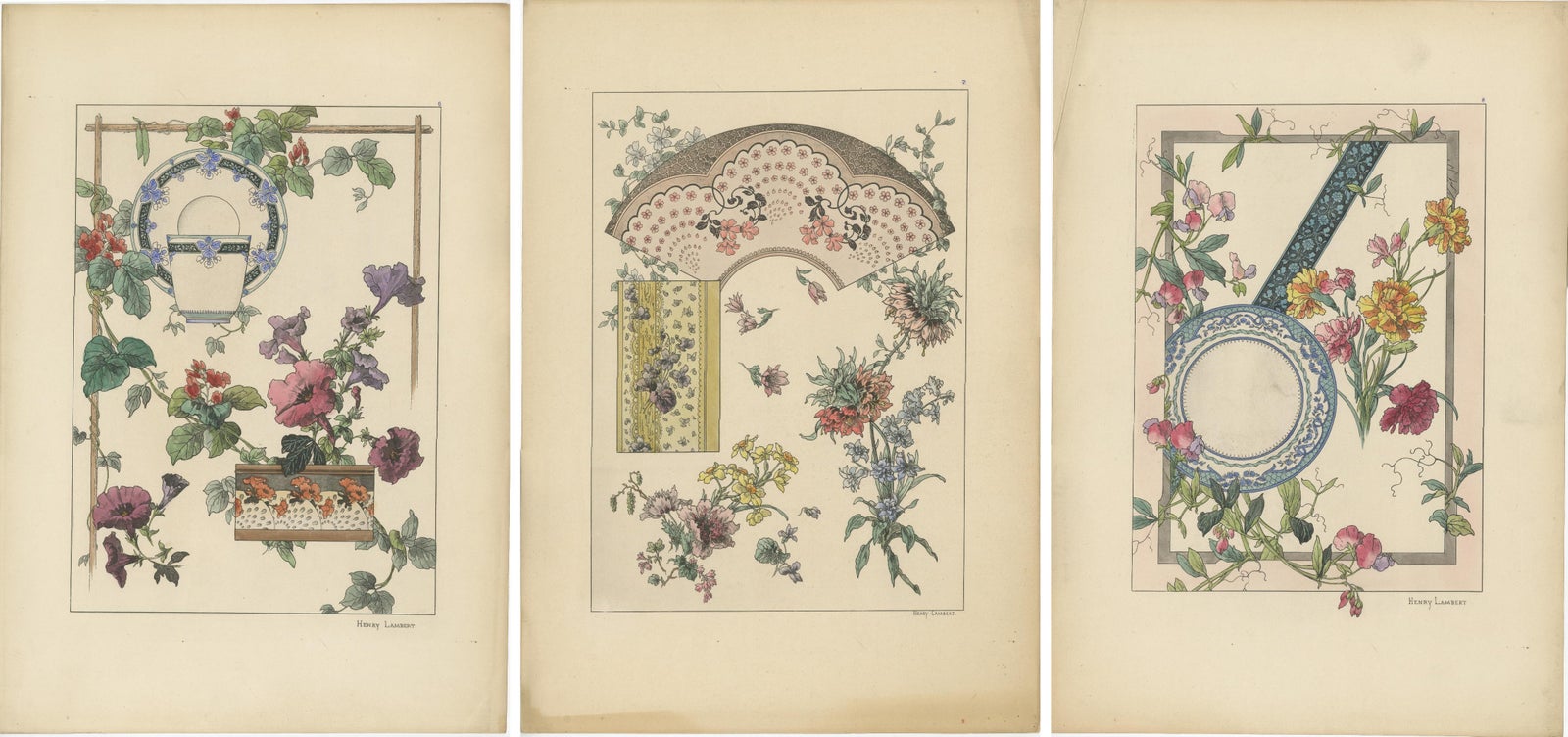
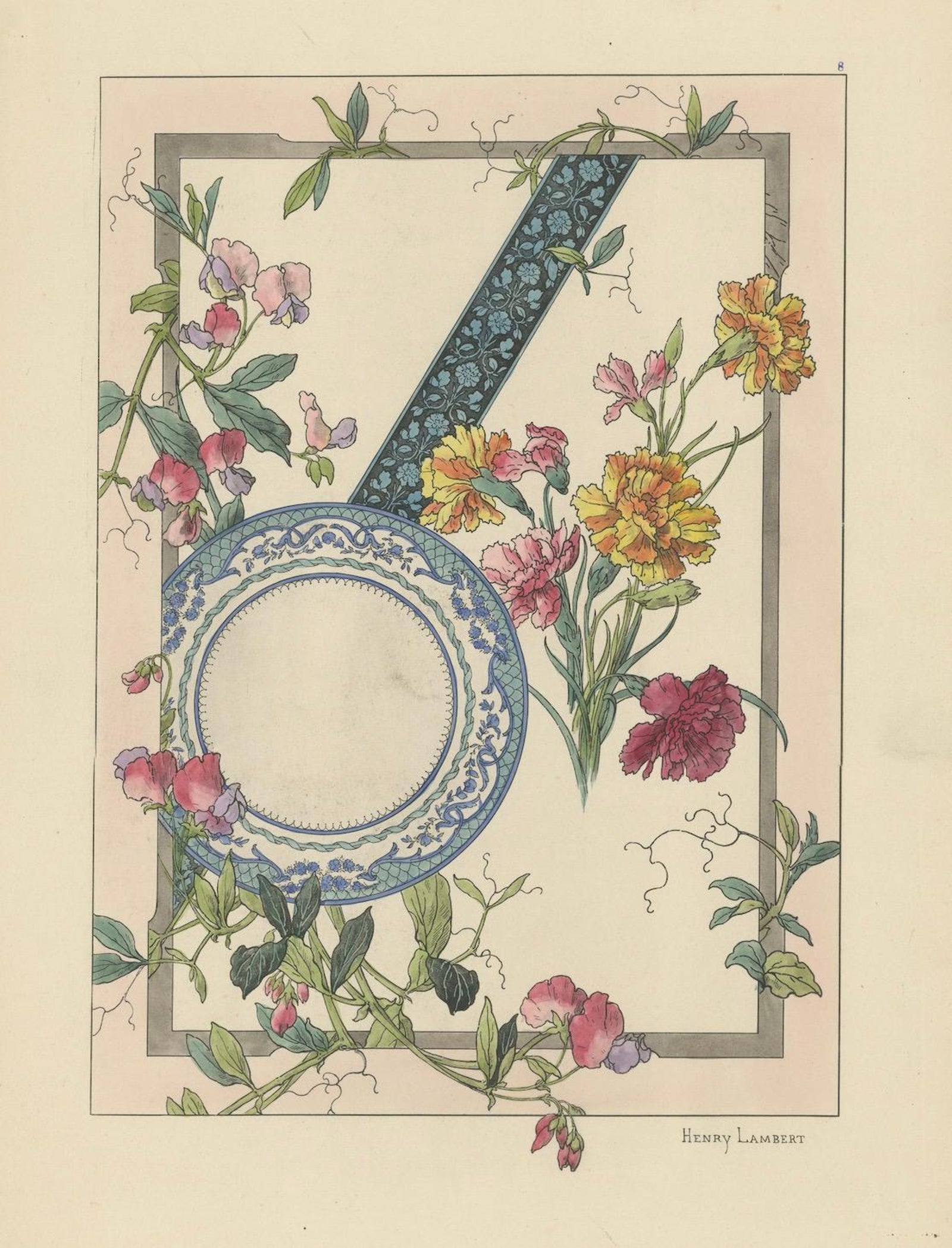
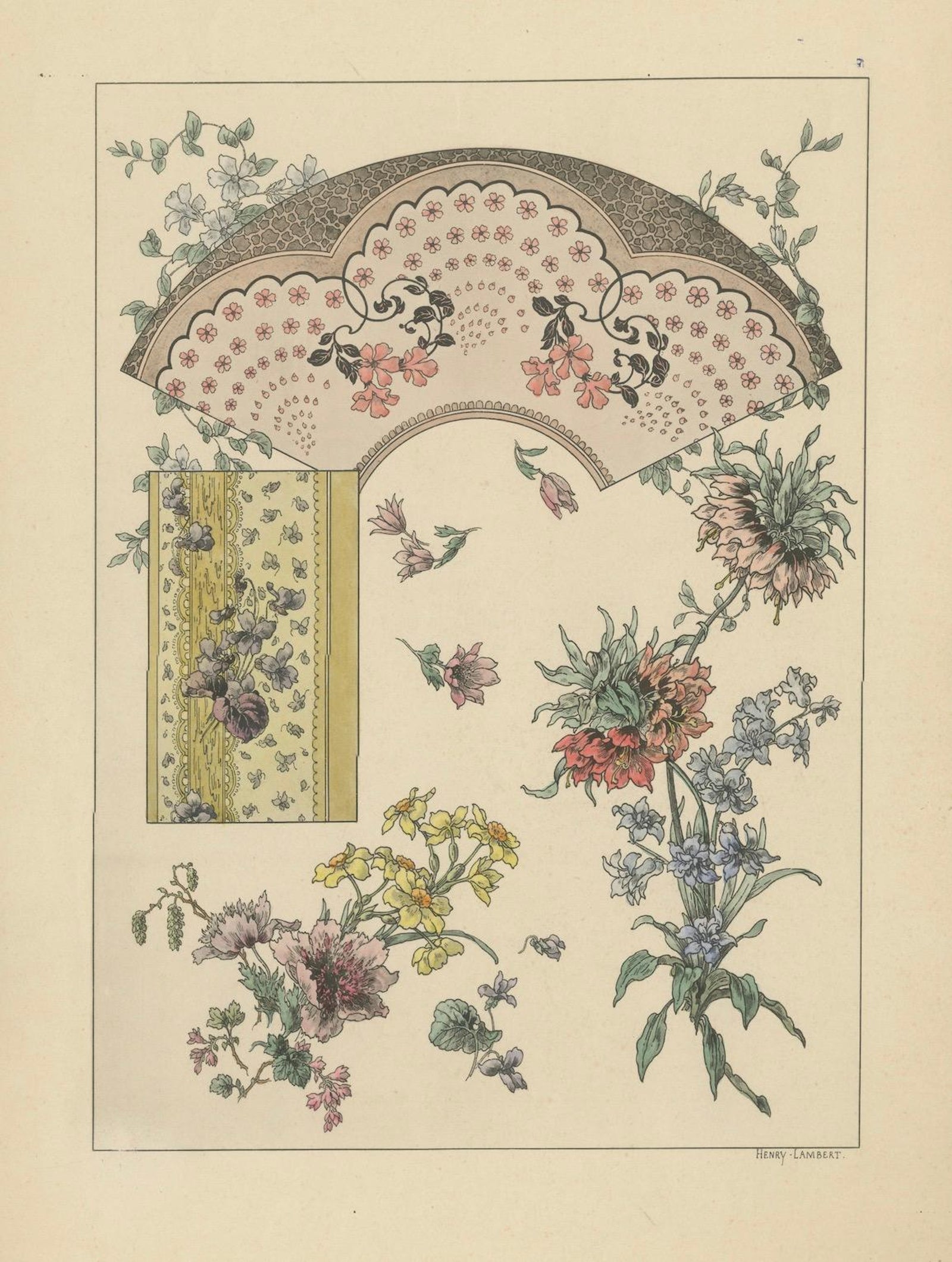
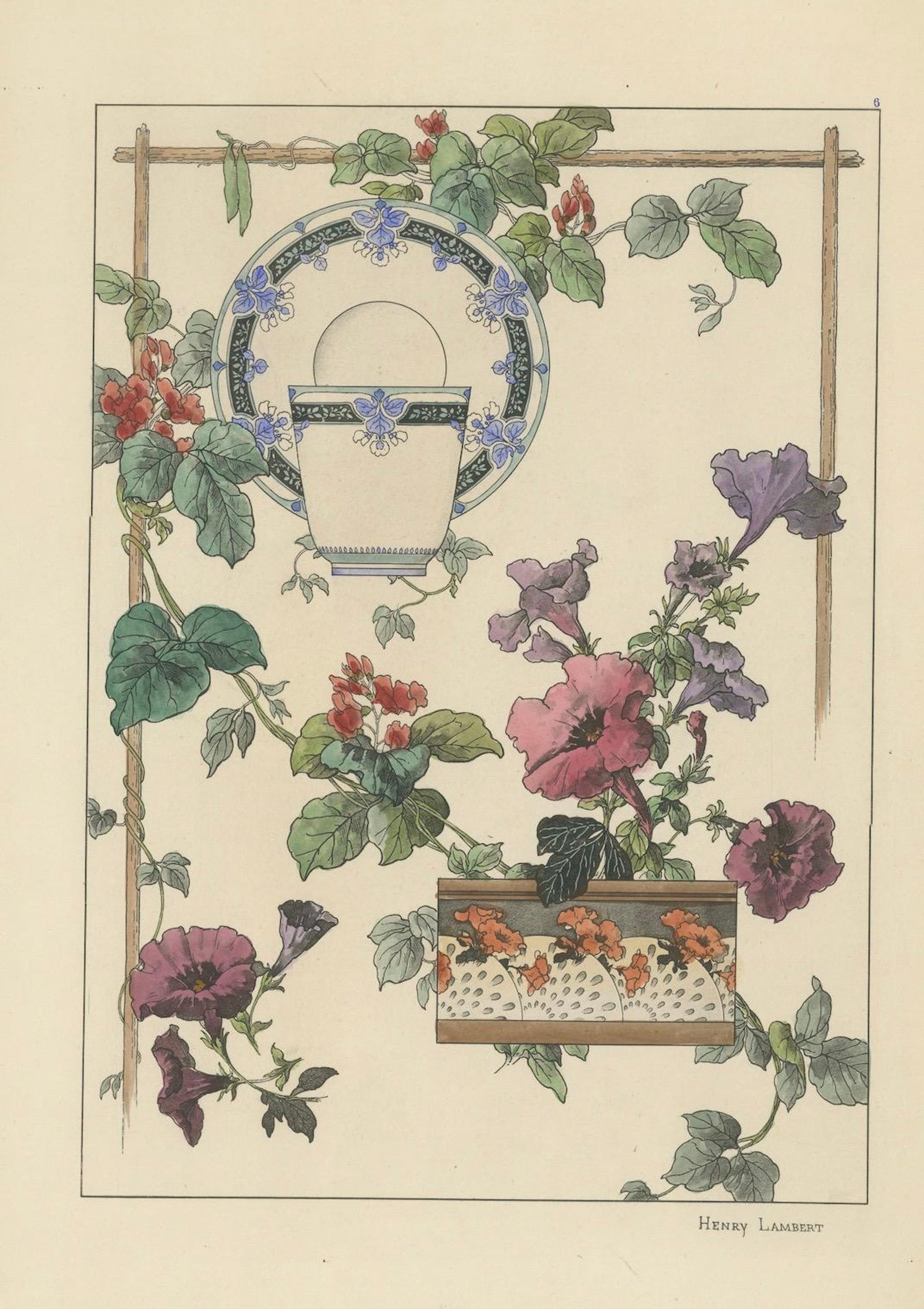
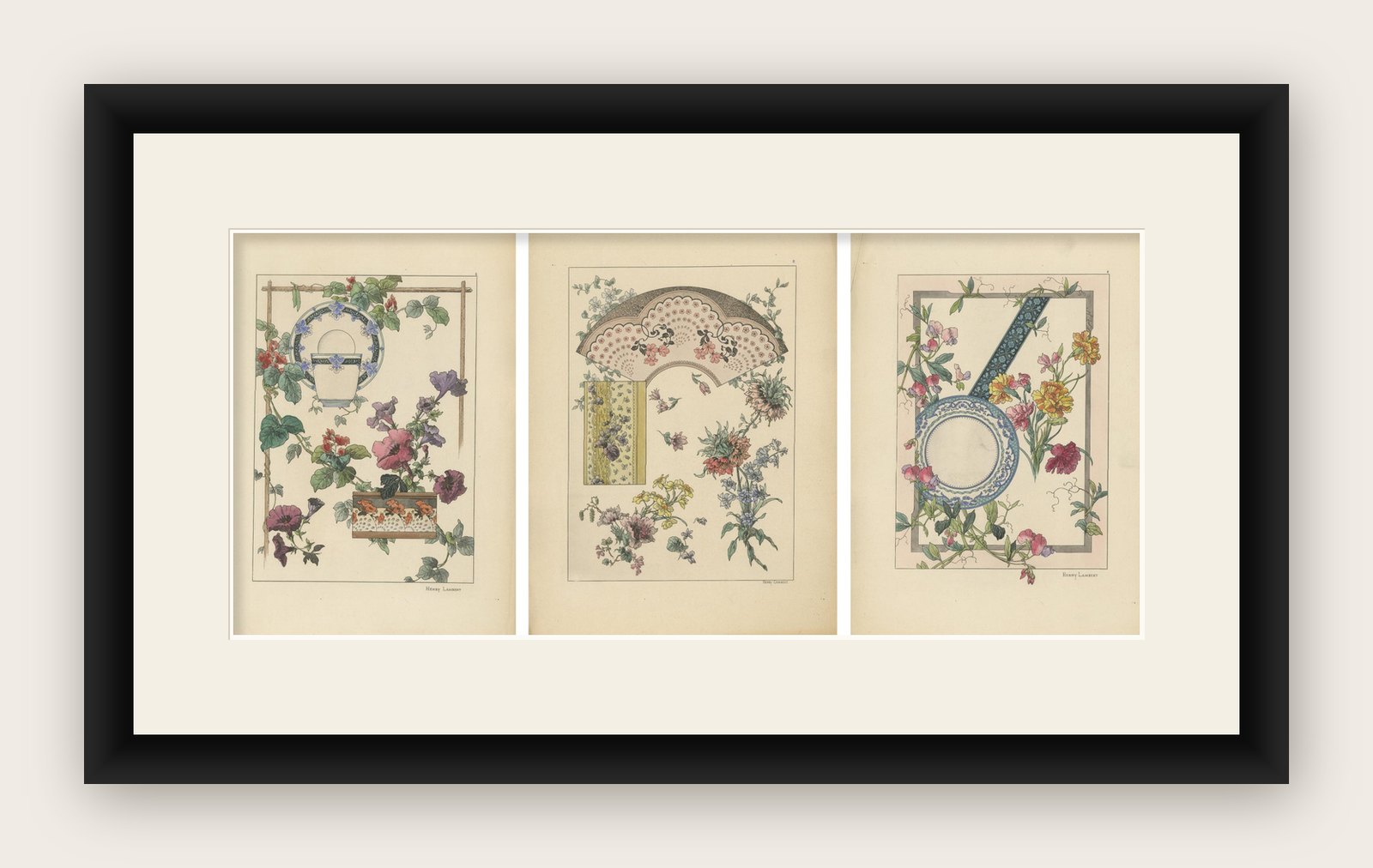
This series of decorative prints from La Flore Décorative, published in 1896, presents an elegant exploration of floral ornamentation within the Art Nouveau movement. These works exemplify the era’s fascination with nature’s organic forms, seamlessly interwoven with architectural and decorative elements. With each composition, a delicate harmony between structured design and natural floral growth emerges, reflecting the artistic ideals of the late nineteenth century.
The first print features a trellis adorned with flowering vines, climbing gracefully around a ceramic plate and a decorated planter. The intertwining of the botanical elements with decorative objects highlights the movement’s philosophy of integrating beauty into daily life. The combination of deep red, soft purple, and lush green tones is balanced by the blue and white of the ceramic design, evoking a sense of refinement and aesthetic cohesion.
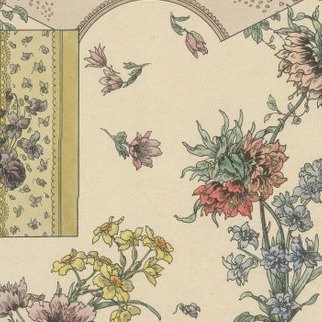
The second print showcases a magnificent ornamental fan with intricate floral embroidery, surrounded by delicate blossoms, hummingbirds, and insects. The detailing suggests an appreciation for the craftsmanship found in textiles and decorative arts of the time. The fan’s gentle curvature and scalloped edges contrast with the loose, naturalistic arrangement of flowers, emphasizing the interplay between structured and organic forms. This piece reflects the influence of Japonisme, which was a significant inspiration for Art Nouveau artists, particularly in their stylized approach to nature.
The third print features an exquisite arrangement of climbing vines, carnation blossoms, and a decorative plate set within an elegantly framed composition. The placement of the floral elements creates a dynamic yet balanced scene, capturing the lively movement of nature against the stability of ornamental design. The plate’s intricate blue patterns, reminiscent of Delftware or Chinese porcelain, highlight the cultural exchanges that shaped European decorative arts during this period.
These prints not only serve as artistic expressions but also as design references for textiles, wallpaper, and interior decoration. They capture the essence of Art Nouveau’s fluidity, where nature is both the inspiration and the subject, rendered with an exquisite sense of detail and stylization. Their timeless beauty makes them valuable for collectors of decorative arts, historical prints, and botanical illustrations.
Condition Summary and Framing Tips
Condition
These prints are in good condition, with minor signs of age-related toning around the edges. The colors remain vibrant, and the details of the lithographic printing process are well preserved. There are no major blemishes, creases, or tears, ensuring that these works maintain their aesthetic and historical integrity.
Framing Tips
A classic antique gold or brass frame with subtle Art Nouveau motifs would enhance the prints’ delicate details while maintaining their historical authenticity. A double mat in soft ivory or light pastel tones can highlight the intricate floral elements. For longevity, museum-grade UV-protected glass is recommended to prevent fading over time. Displaying them as a triptych would allow their thematic continuity to shine while preserving their individual artistic character.
Explore