Close-ups

Framed and on the wall


Frame and rooms are illustrations of how the print could look, drawn to its real size; it is sold unframed unless the description says otherwise.
Antiquity & ruins
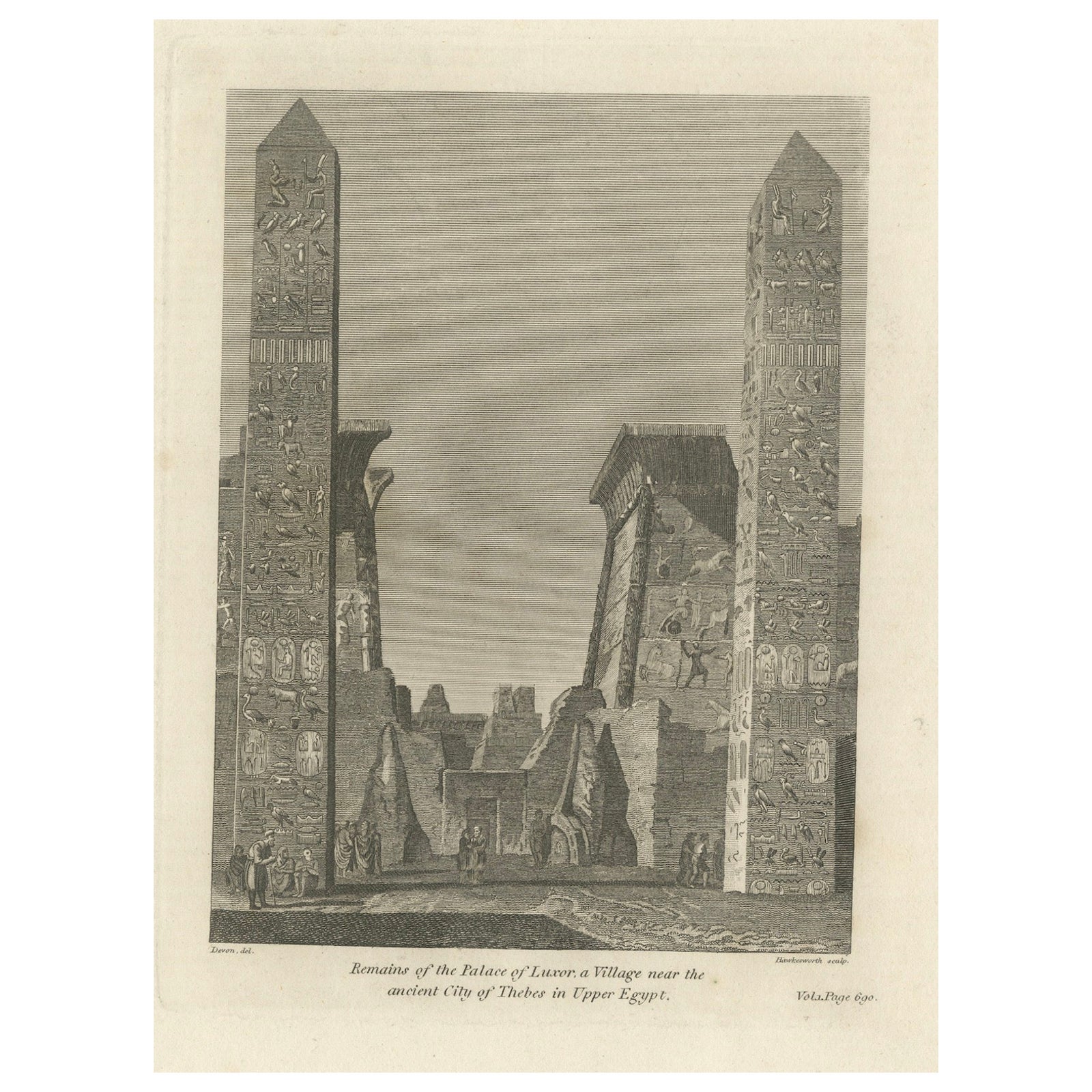
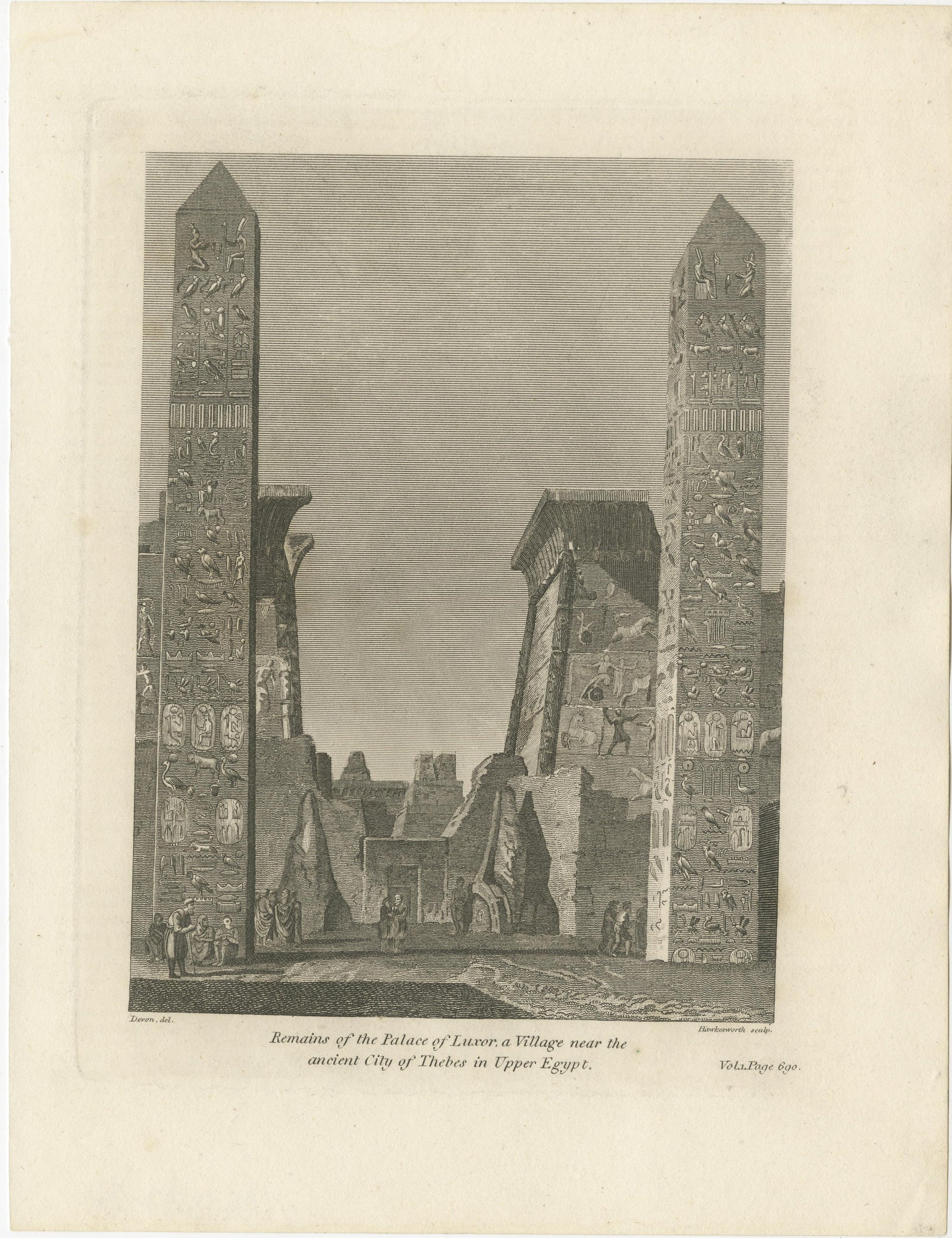
Echoes of Thebes: The Luxor Palace Ruins in Upper Egypt, 1801
€340€23830% off
$260 · £200
Original print, not a reproduction
Ships worldwide from the Netherlands, flat or rolled, insured and tracked. 14-day returns.
- Date
- 1801
- Sheet size
- 7.9 × 10.4 in (20 × 26.5 cm)
- Technique
- Engraving
- Condition
- Good. Good. This is not a reproduction but an original engraving of over 200 years old. Aged paper with a slightly warm, yellowish-brown hue. Study the image carefully.
- Collection
- Antiquity & ruins
- Era
- 1790 to 1849, Neoclassical and Romantic
- Stock no.
- BG-13597-26
What the condition grades mean
- Excellent
- Bright and clean, with no faults worth mentioning.
- Very good
- Only light signs of age, such as faint toning.
- Good
- Normal signs of age for a sheet of this period: toning, some foxing, small marks or neat old repairs.
- Fair
- Clear faults such as staining, tears or repairs, priced to match.
Every fault we see is written in the condition note, and the whole sheet is shown uncropped in the photos.
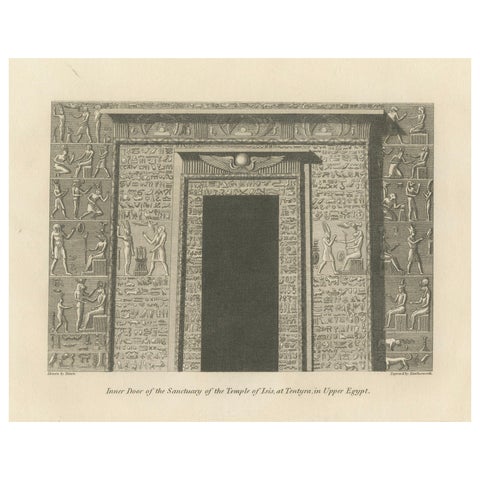
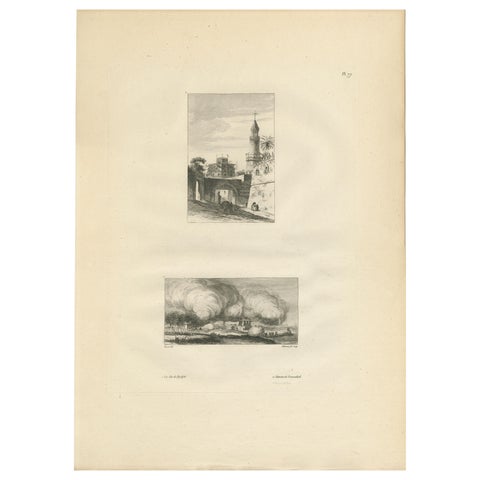
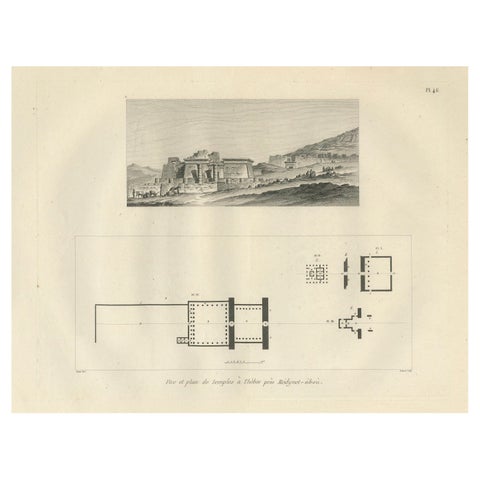
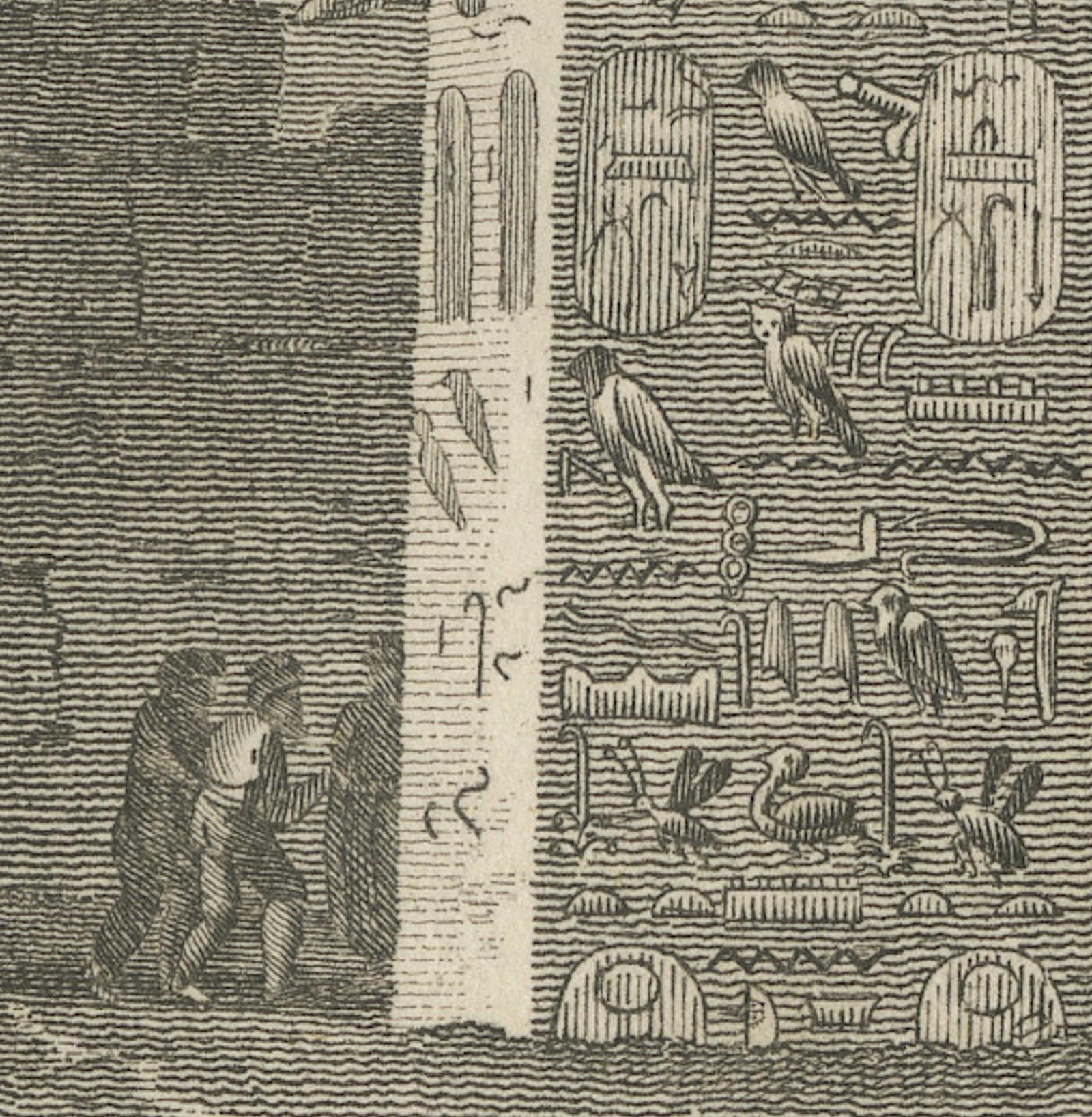
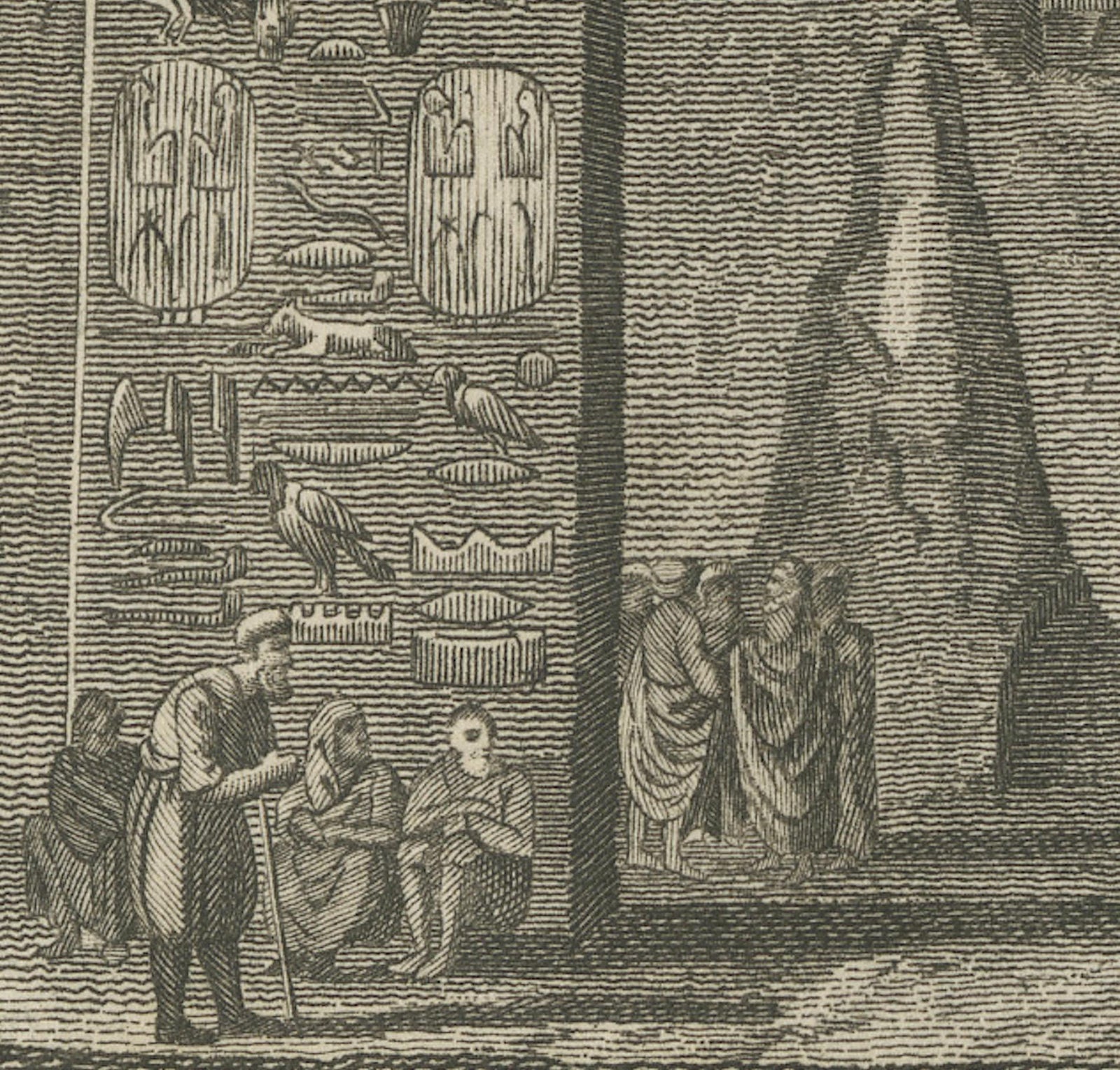
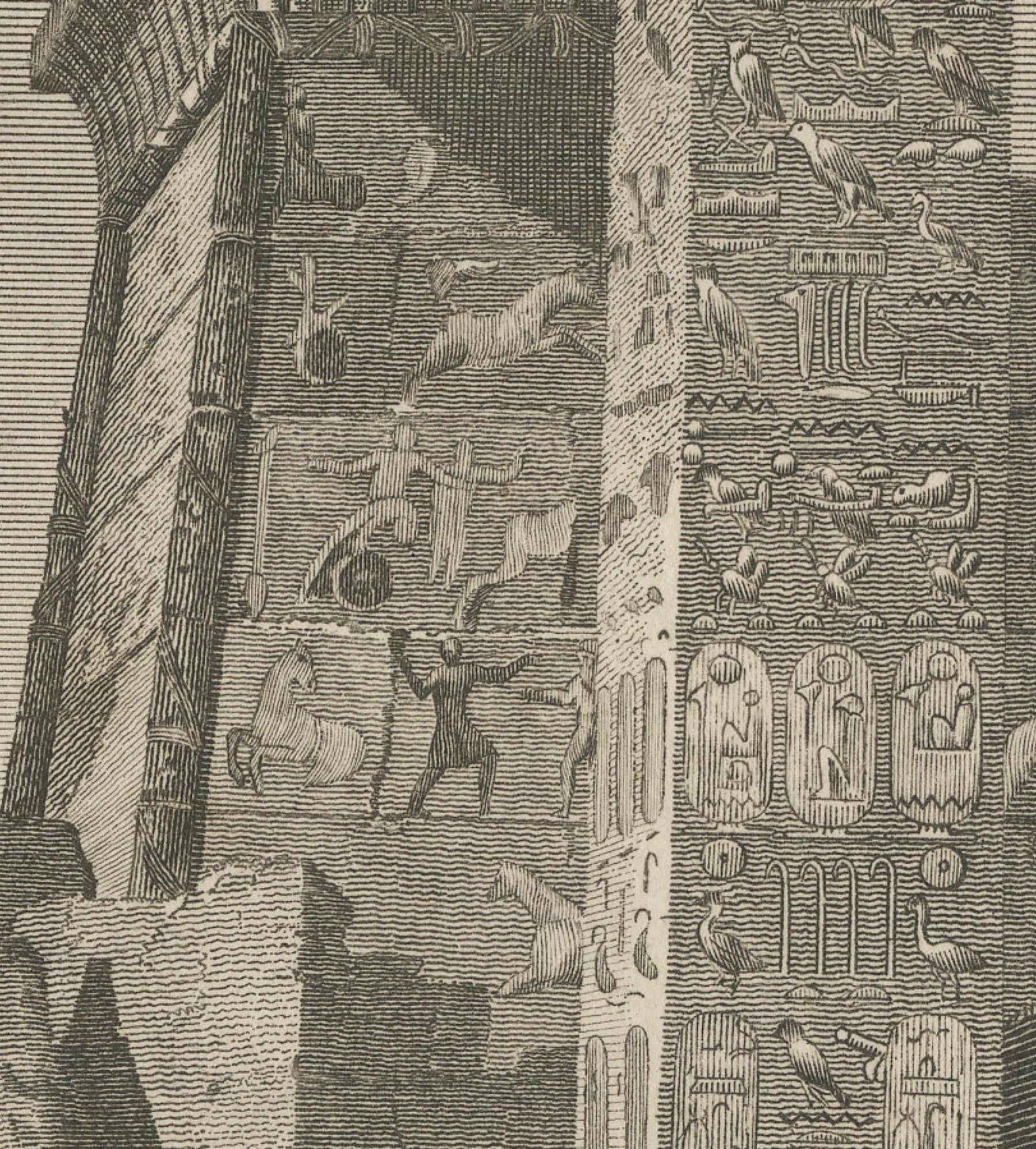
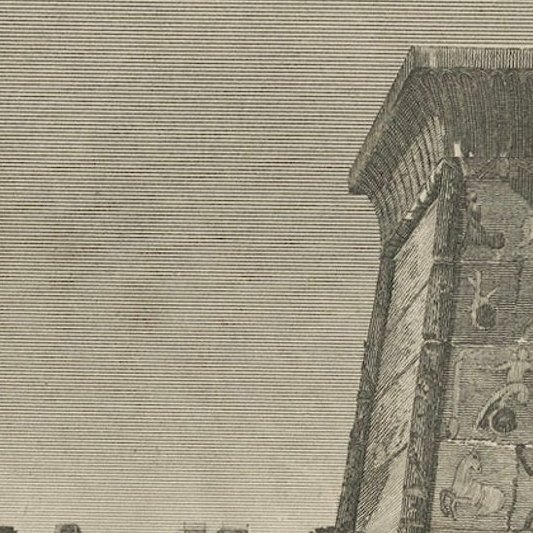
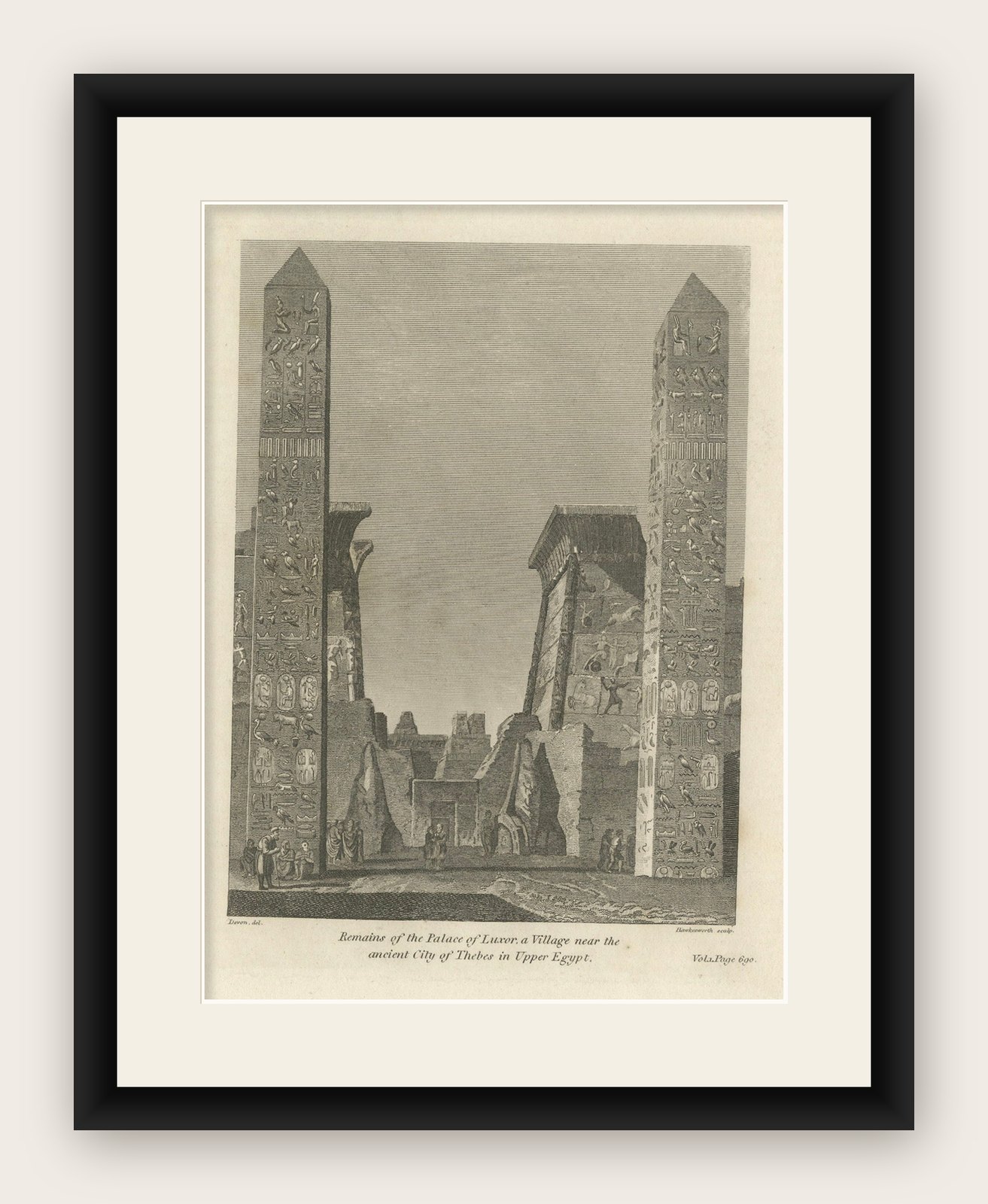
The engraving shows the majestic ruins of the Palace of Luxor, located in the village of Luxor near the site of ancient Thebes in Upper Egypt. Luxor was once a flourishing city and the pharaonic capital, known for its high social status and as a center of art, culture, and religion. The artwork captures the towering obelisks and grandeur of the remaining structures, which were part of the temple complex dedicated to the Theban triad of Amun, Mut, and Khonsu.
Description: This is a circa 1801 copperplate engraving from George Alexander Cooke's "Universal Geography" .
The print is part of George Alexander Cooke's comprehensive work "A Modern and Authentic System of Universal Geography." This book was a significant compilation of geographical knowledge during the late 18th century, offering descriptions and accounts of various parts of the world, influenced by the age of exploration. It includes narratives of famed explorers like Captain James Cook and Ferdinand Magellan, detailing their discoveries and journeys that expanded the European understanding of the globe. Cooke's work served as both a chronicle and reference for the territories and cultures encountered by these voyagers.
Explore