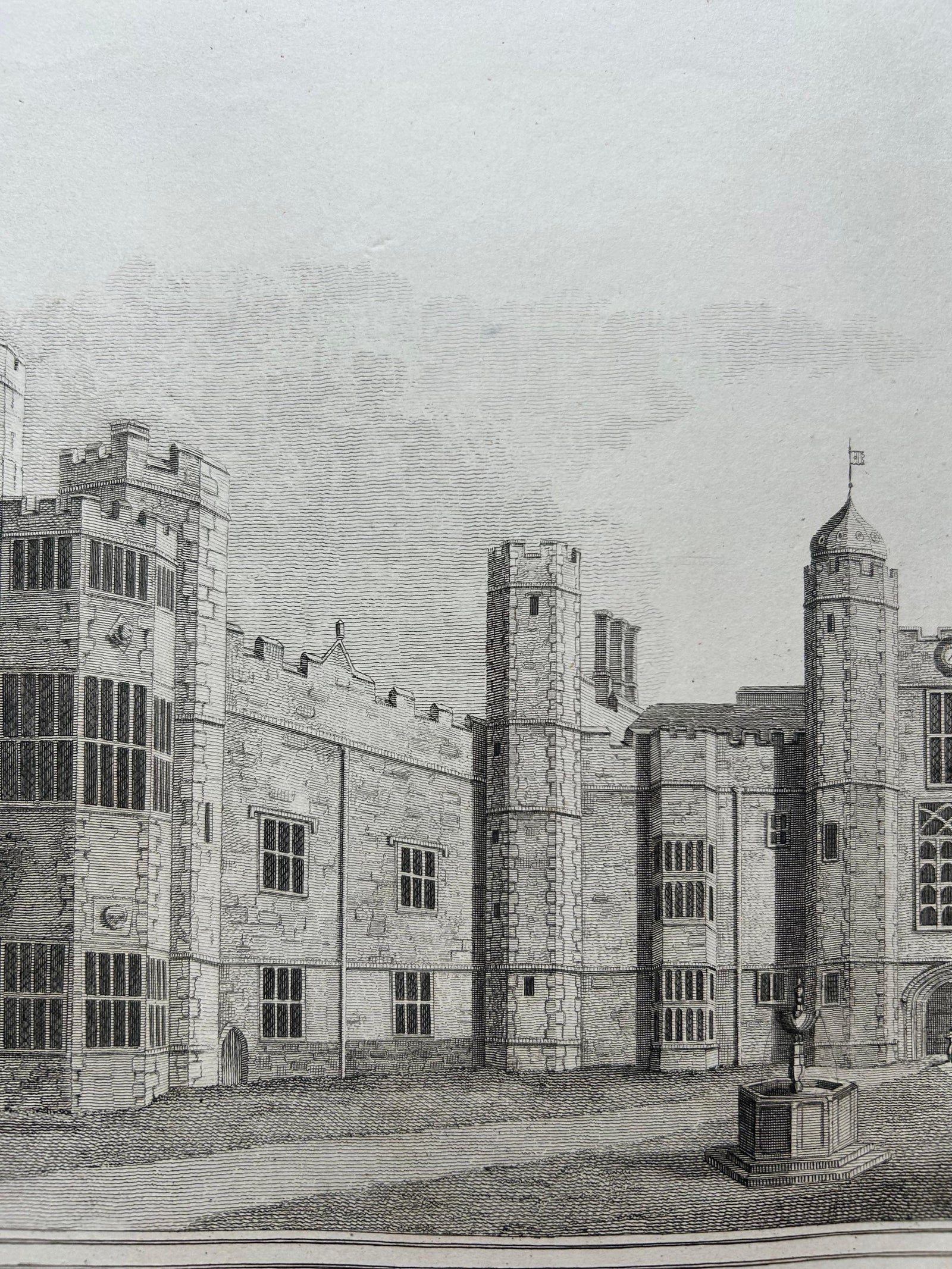
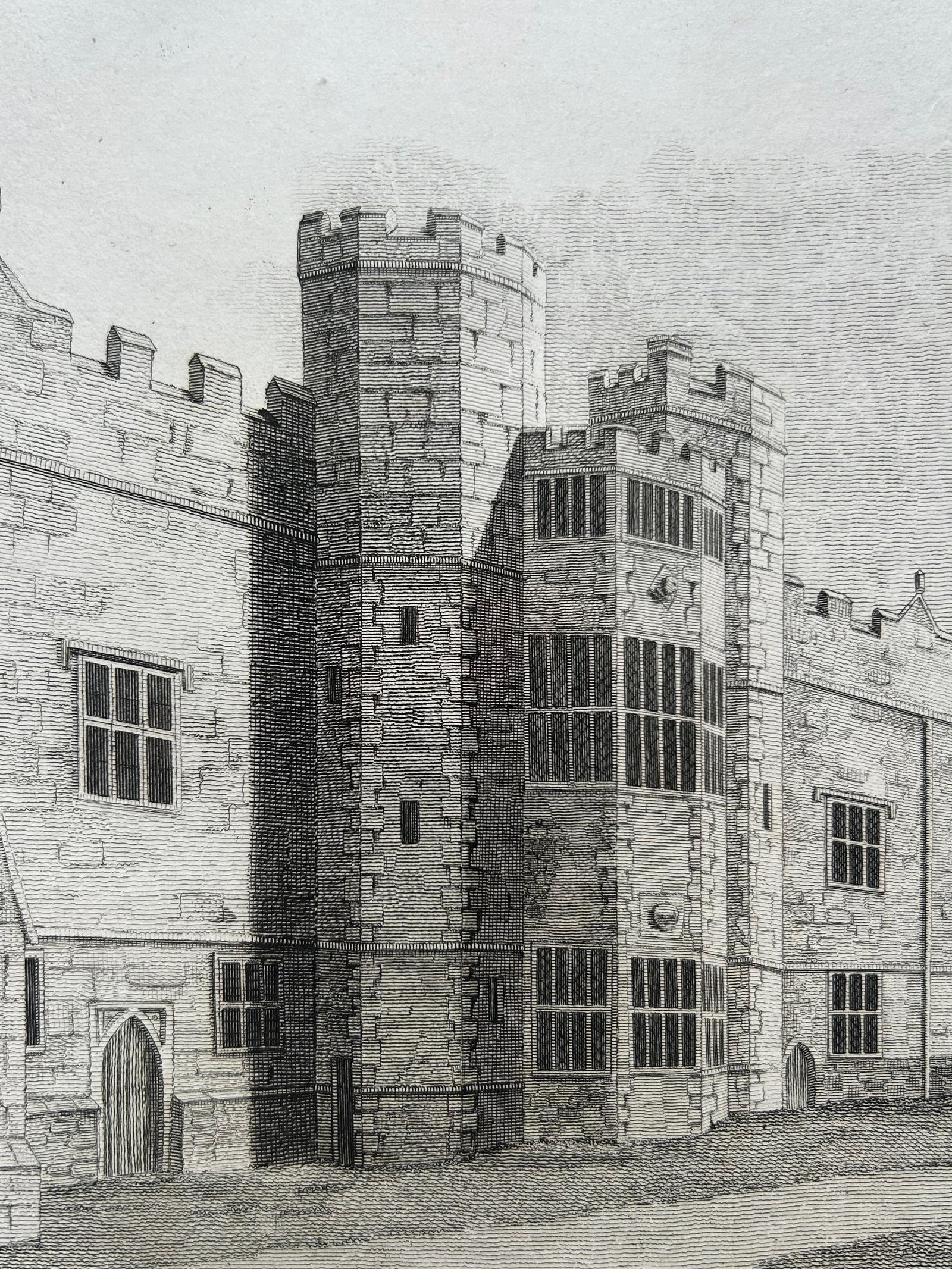
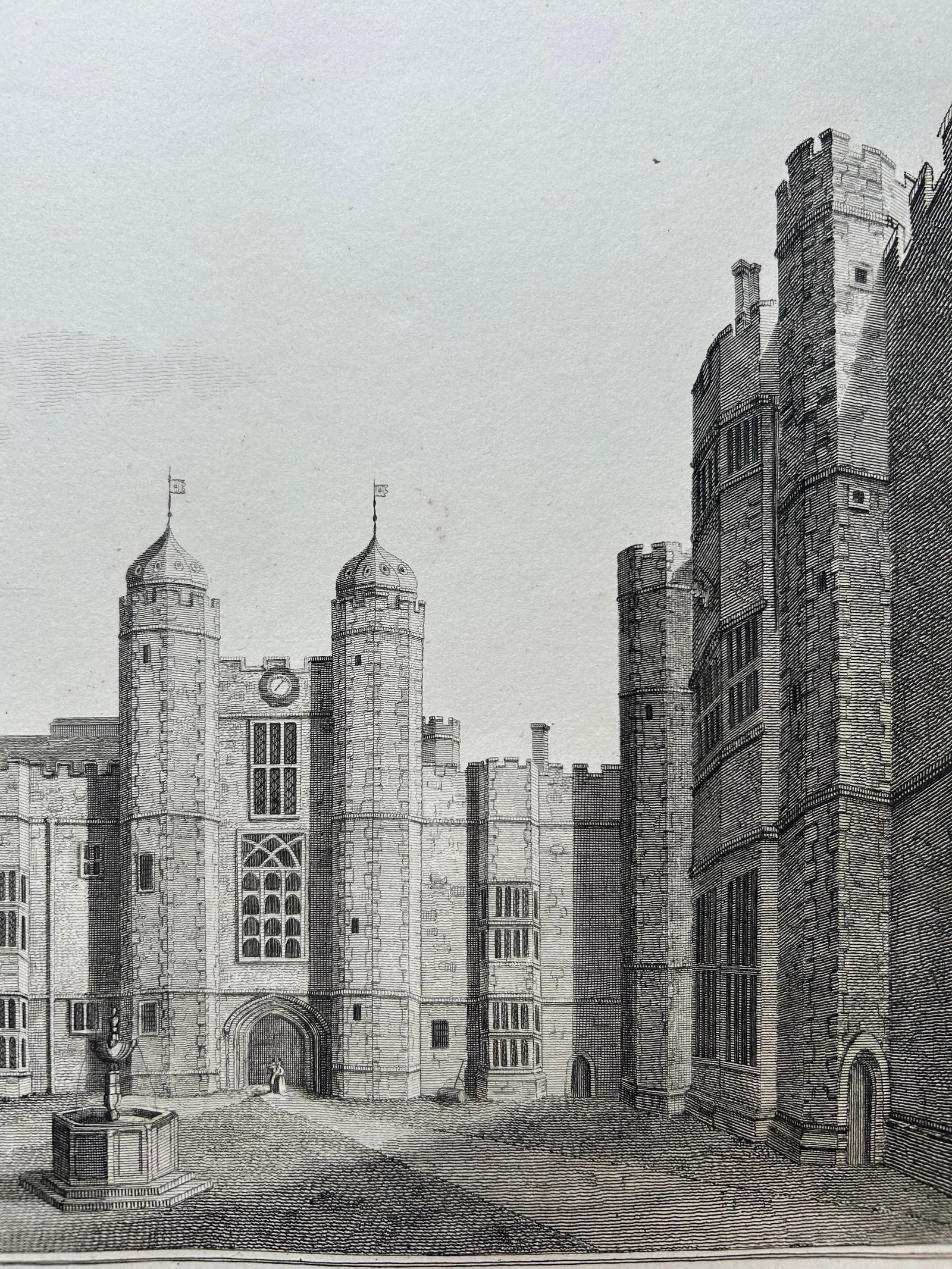
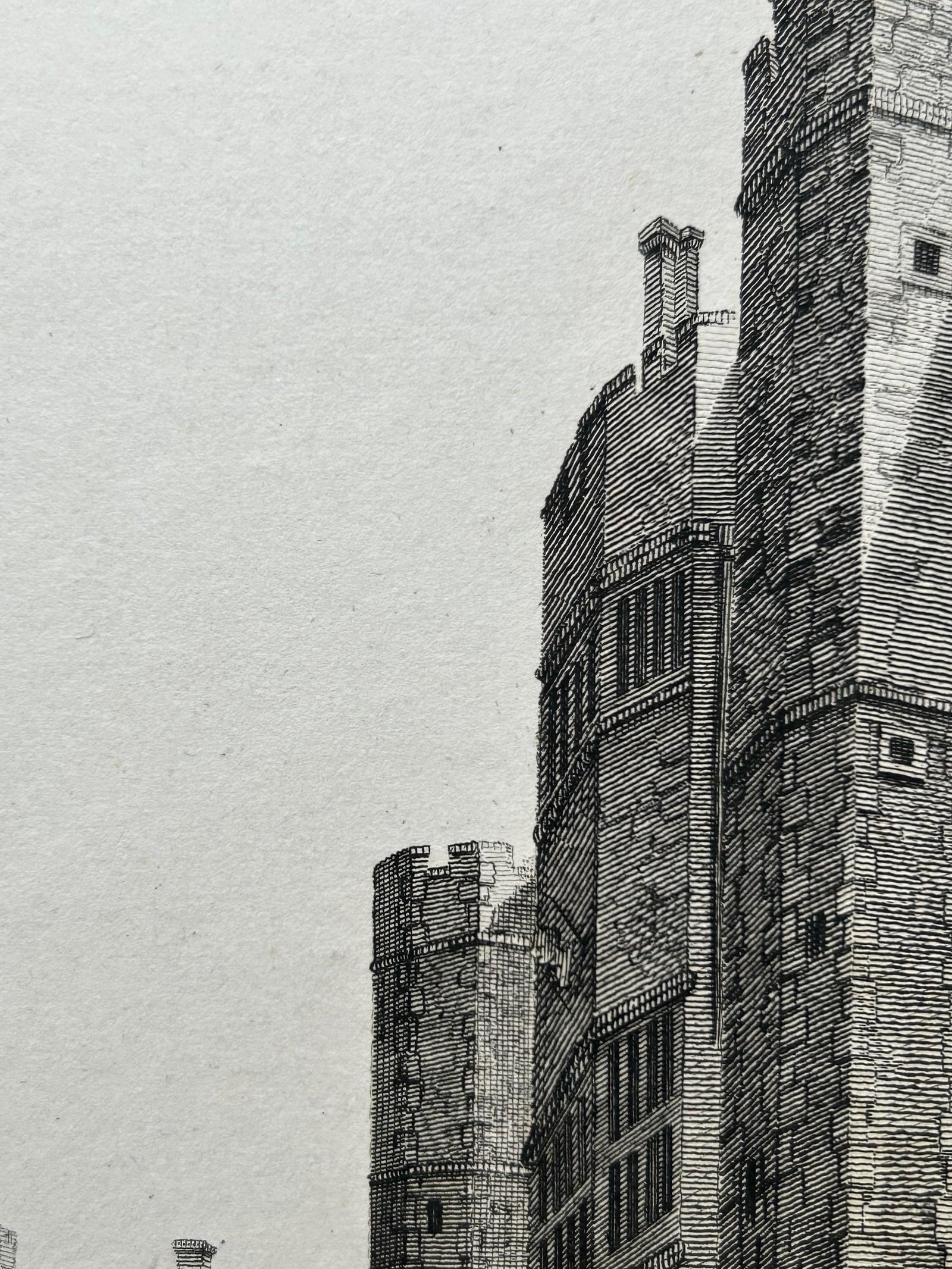
Close-ups
Framed and on the wall
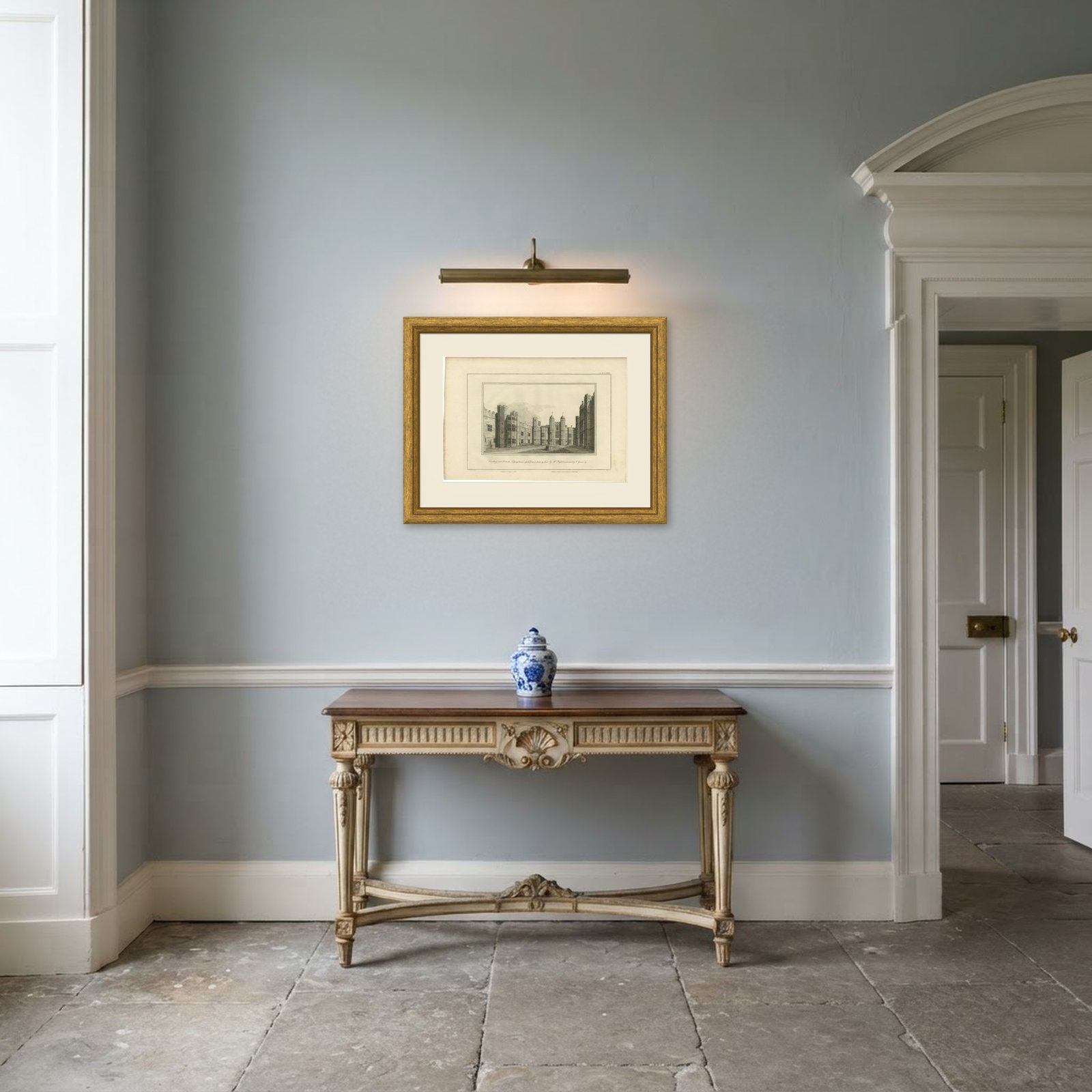
Frame and rooms are illustrations of how the print could look, drawn to its real size; it is sold unframed unless the description says otherwise.
Castles & palaces
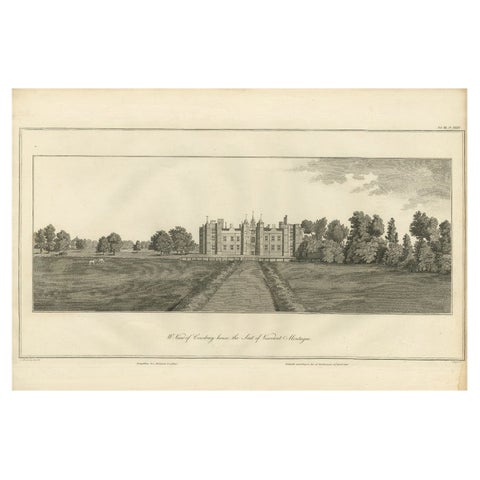
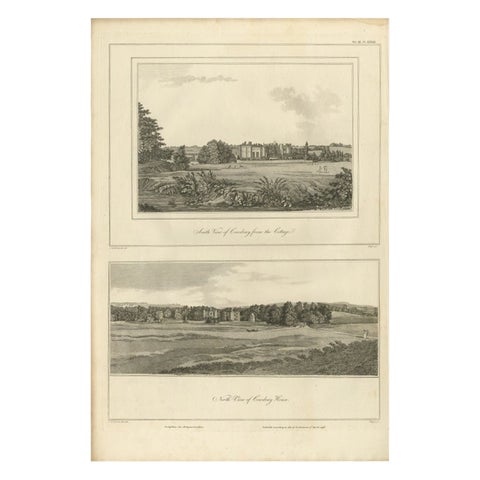
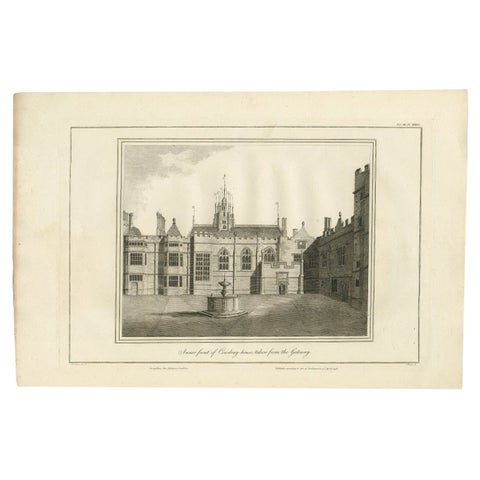
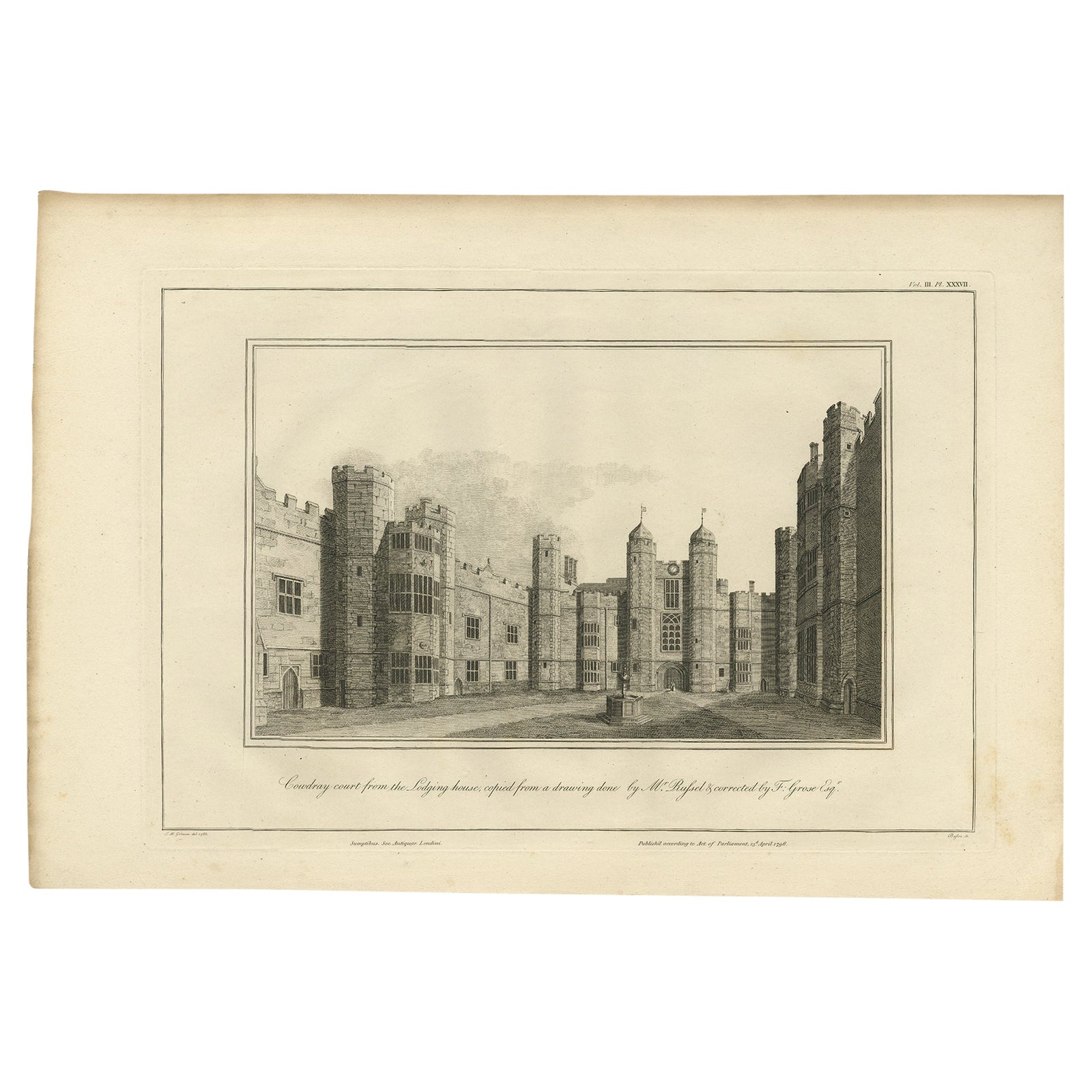
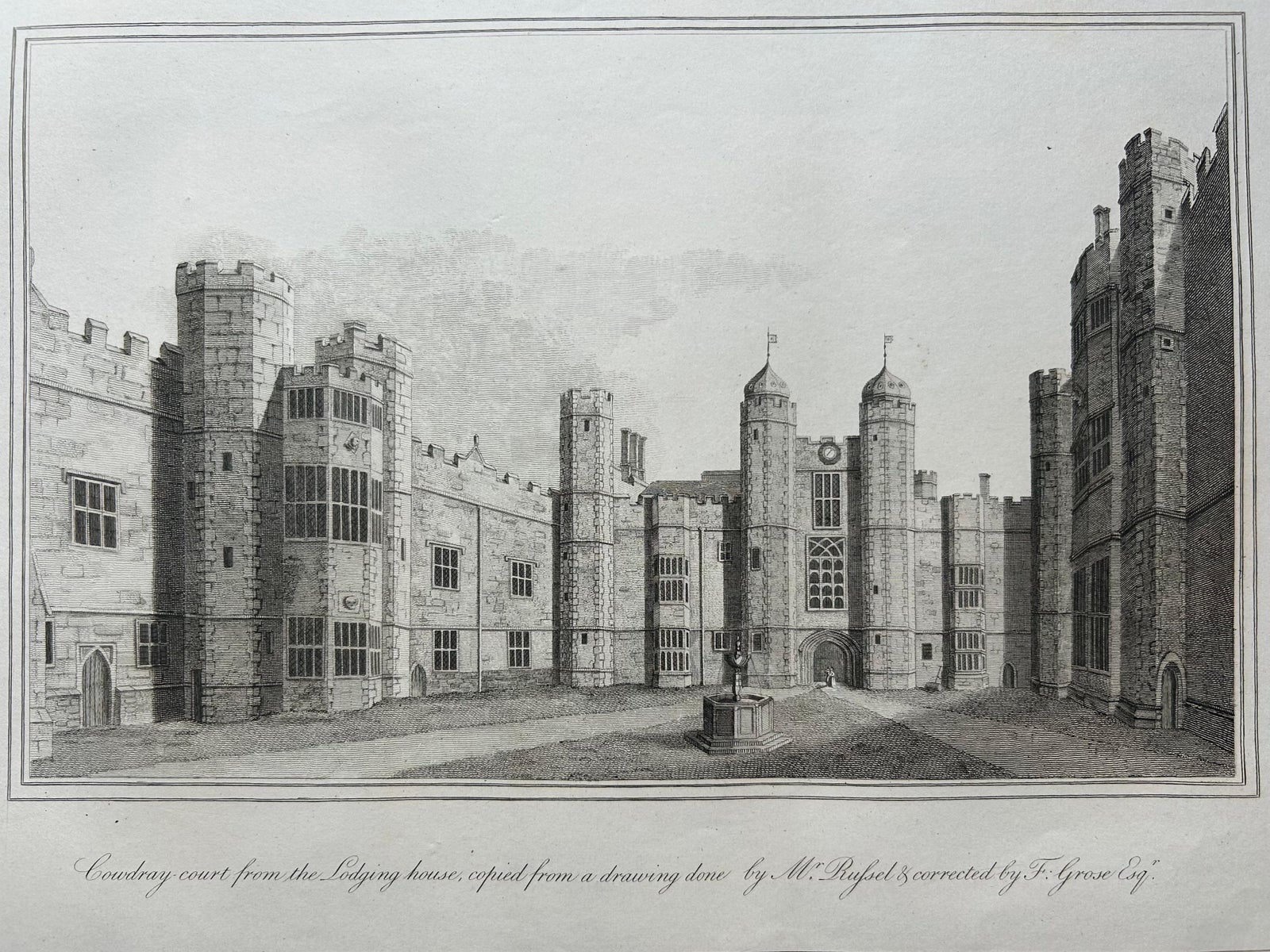
Cowdray Court from the Lodging House, Antique Engraving of Sussex Estate, 1796
$175$13025% off
€120 · £100
Original print, not a reproduction
Ships worldwide from the Netherlands, flat or rolled, insured and tracked. 14-day returns.
- Date
- 1796
- Sheet size
- 14.6 × 21.7 in (37 × 55 cm)
- Technique
- Engraved
- Condition
- Good. Very good impression with general age-related toning. Plate mark clearly visible. Strong paper with full margins and slightly frayed edge on the left side.
- Collection
- Castles & palaces
- Era
- 1790 to 1849, Neoclassical and Romantic
- Stock no.
- BGI-00010
What the condition grades mean
- Excellent
- Bright and clean, with no faults worth mentioning.
- Very good
- Only light signs of age, such as faint toning.
- Good
- Normal signs of age for a sheet of this period: toning, some foxing, small marks or neat old repairs.
- Fair
- Clear faults such as staining, tears or repairs, priced to match.
Every fault we see is written in the condition note, and the whole sheet is shown uncropped in the photos.
Cowdray Court from the Lodging House, Antique Engraving of Sussex Estate, 1796
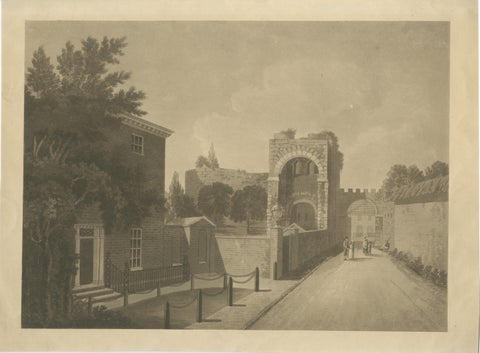
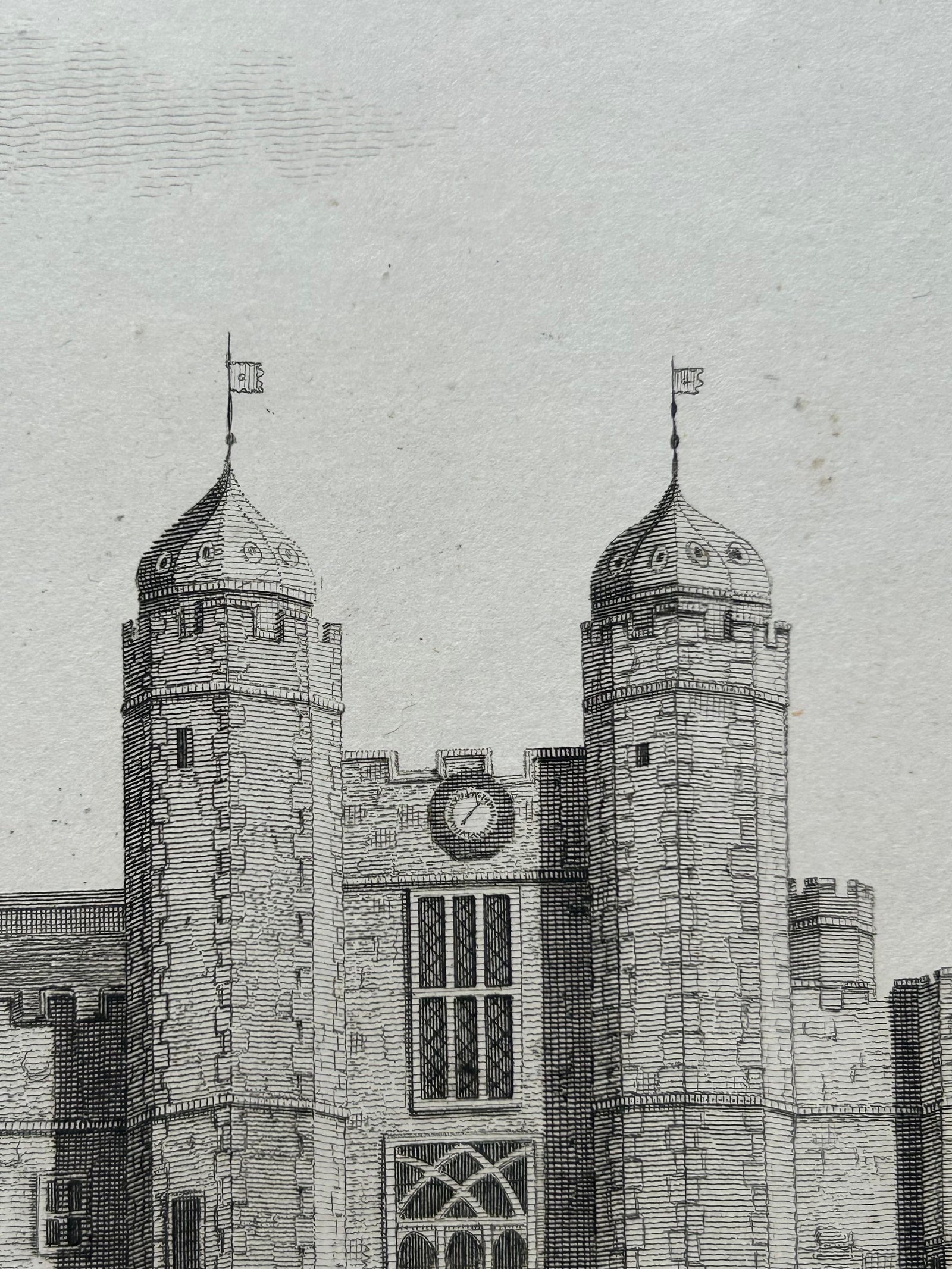
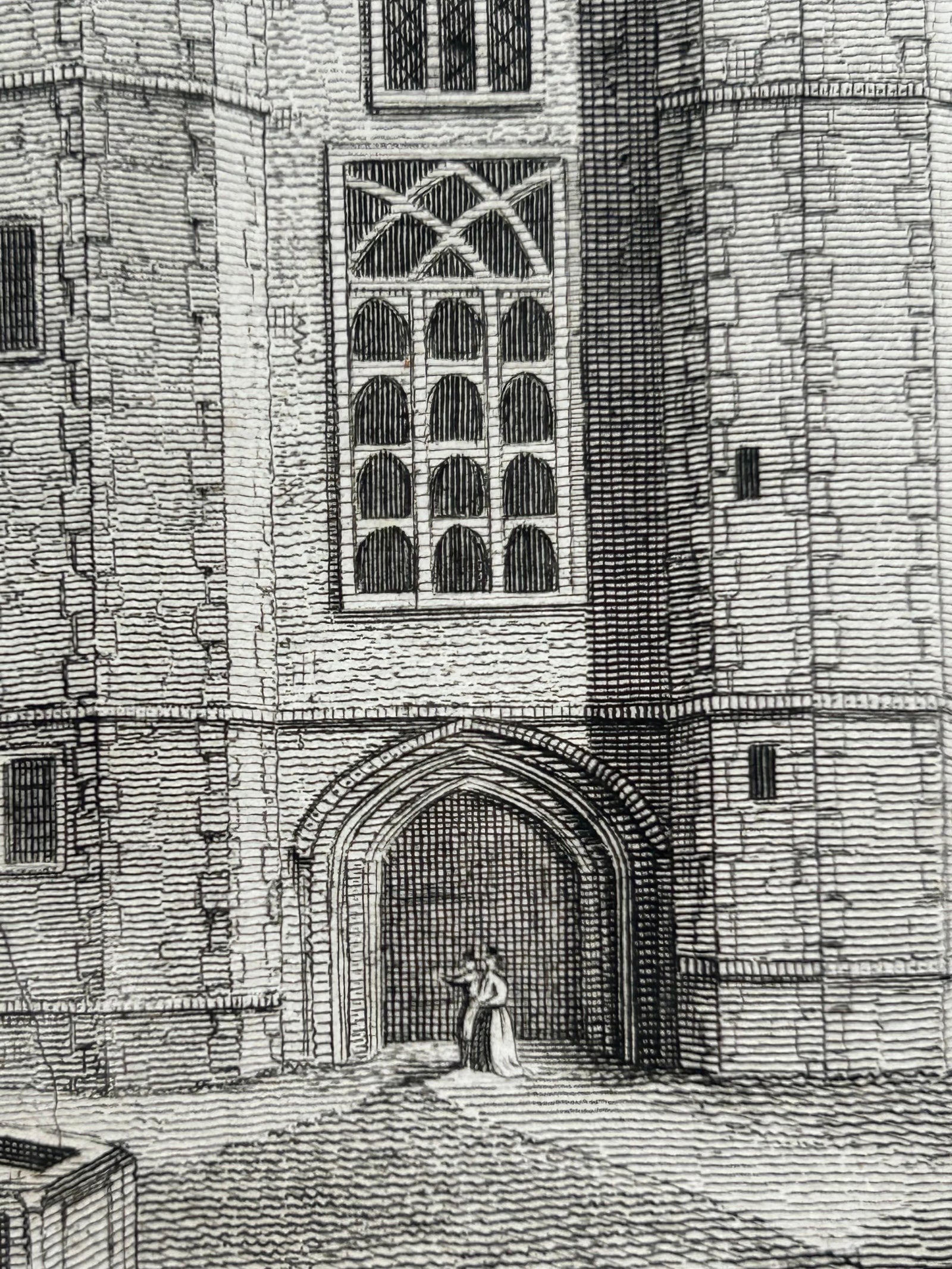
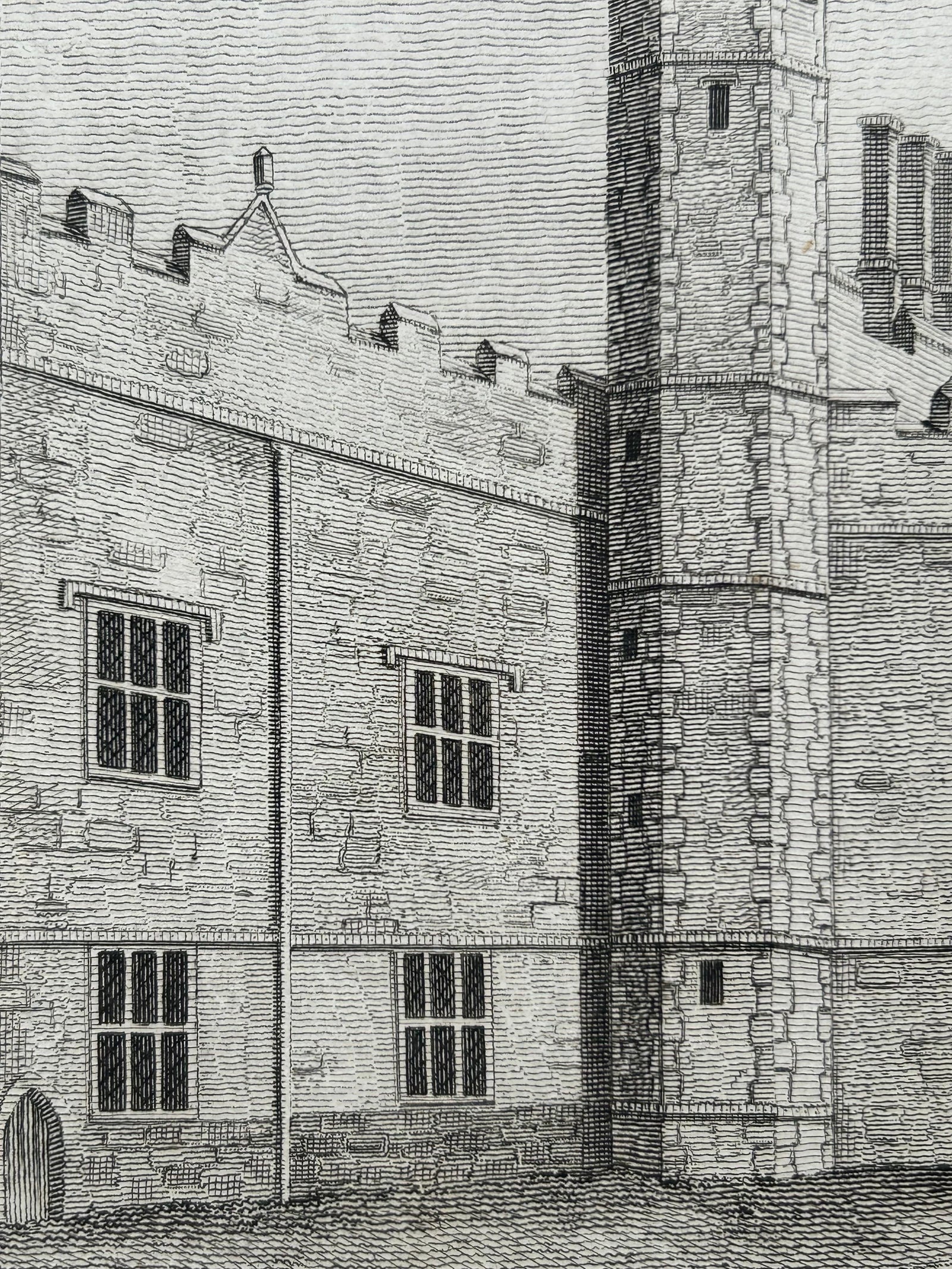
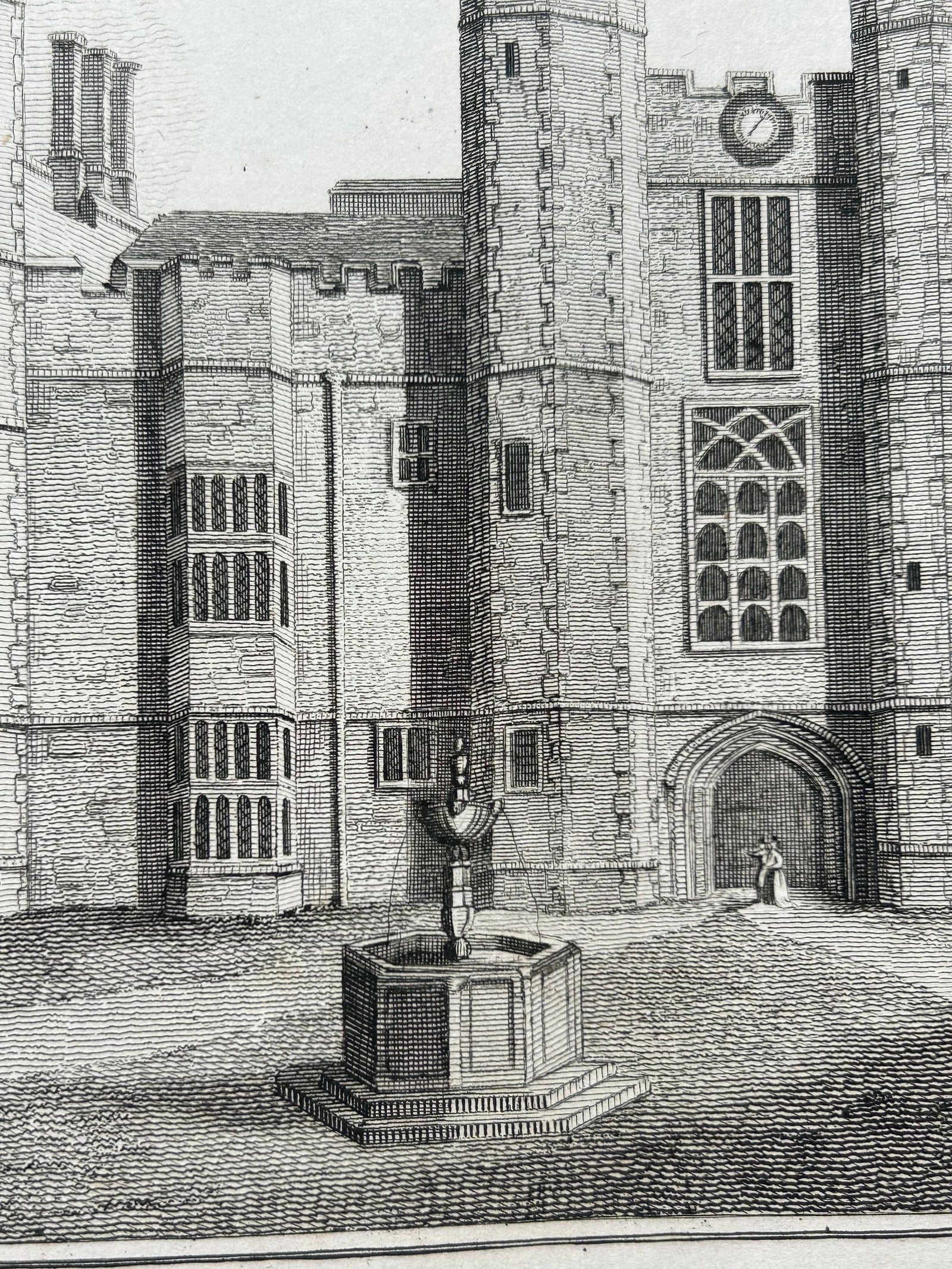
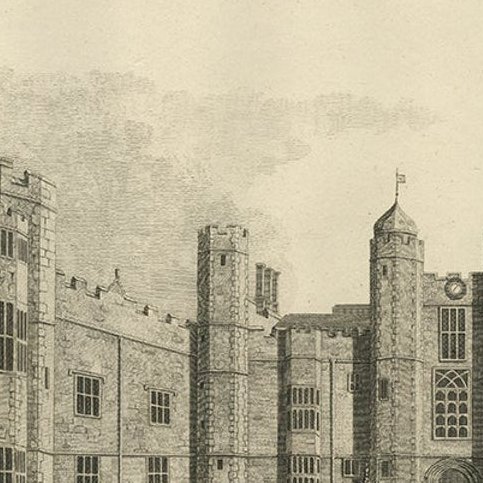
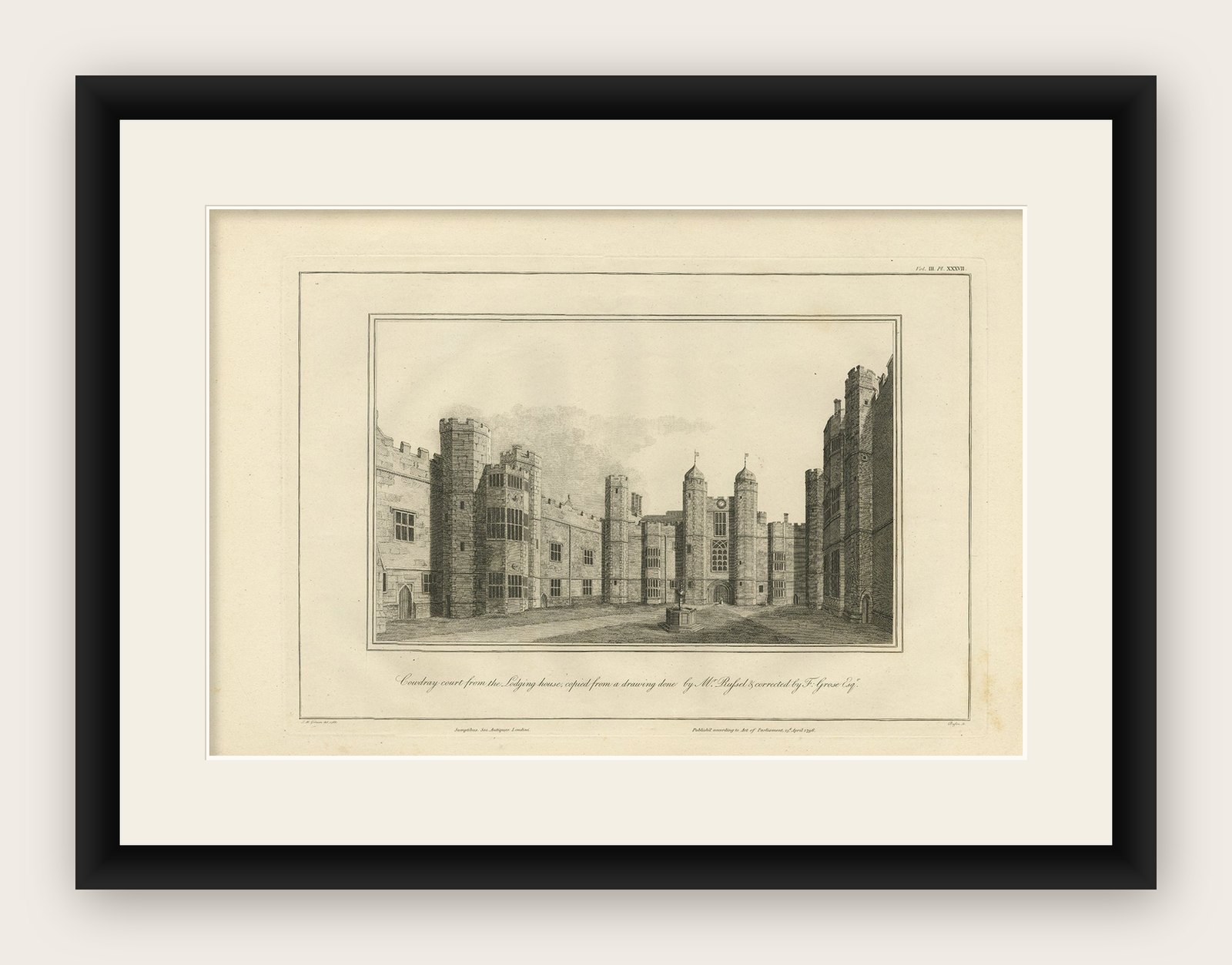
This finely executed antique engraving presents a view of the inner court of Cowdray House, the historic Tudor mansion in West Sussex, England, as seen from the lodging house. The image is based on a drawing by Mr. Russel, refined and corrected by the antiquary Francis Grose, and later engraved by James Basire after Samuel Hieronymus Grimm. The perspective captures the architectural layout of the court, with its imposing walls, arched gateways, and decorative stonework, conveying both the scale and the elegance of one of England’s most important country houses.
Cowdray House, built in the early 16th century, was among the grandest Tudor estates, famed for its royal visitors, including King Henry VIII and Queen Elizabeth I. This engraving records the appearance of the property before the devastating fire of 1793, which left it largely in ruins. Its accurate depiction of the court makes it not only a work of aesthetic merit but also an important historical document.
Engraver James Basire (1730 to 1802) was renowned for his architectural engravings and his meticulous approach to antiquarian subjects. The original drawing by Grimm (1733 to 1794), a Swiss artist known for his topographical accuracy, ensures the print’s fidelity to the site. The involvement of Francis Grose (1731 to 1791), a leading antiquary, further underscores the print’s scholarly significance.
Collectors of English architectural history, Tudor estates, and 18th-century engravings will find this piece a valuable addition, combining beauty, historical context, and rarity.
Framing tips: A classic dark oak or black frame with a warm ivory or light cream mat will enhance the engraving’s fine details and period character.
Image size: 0.001 x 34.5 x 21 cm.