Close-ups
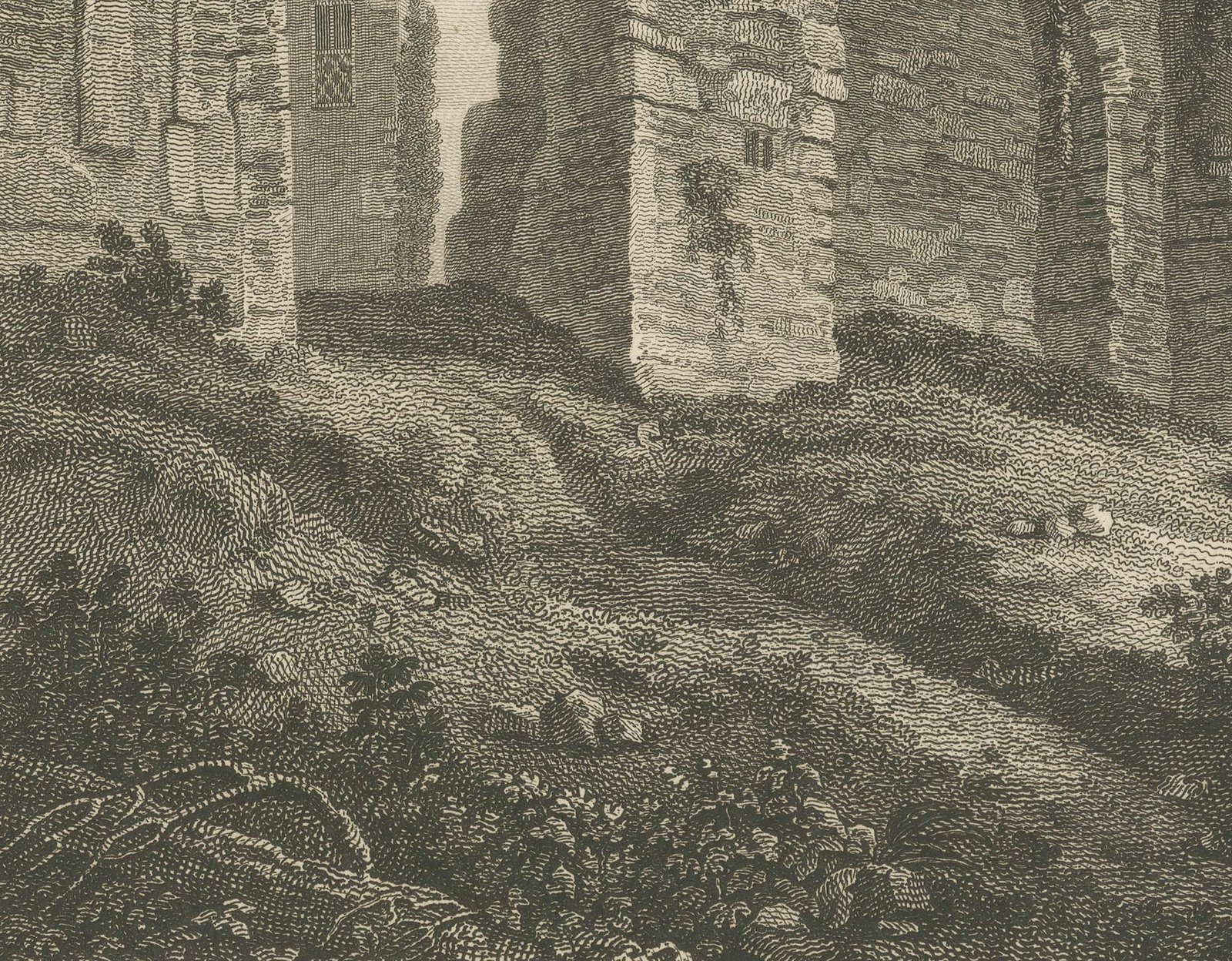
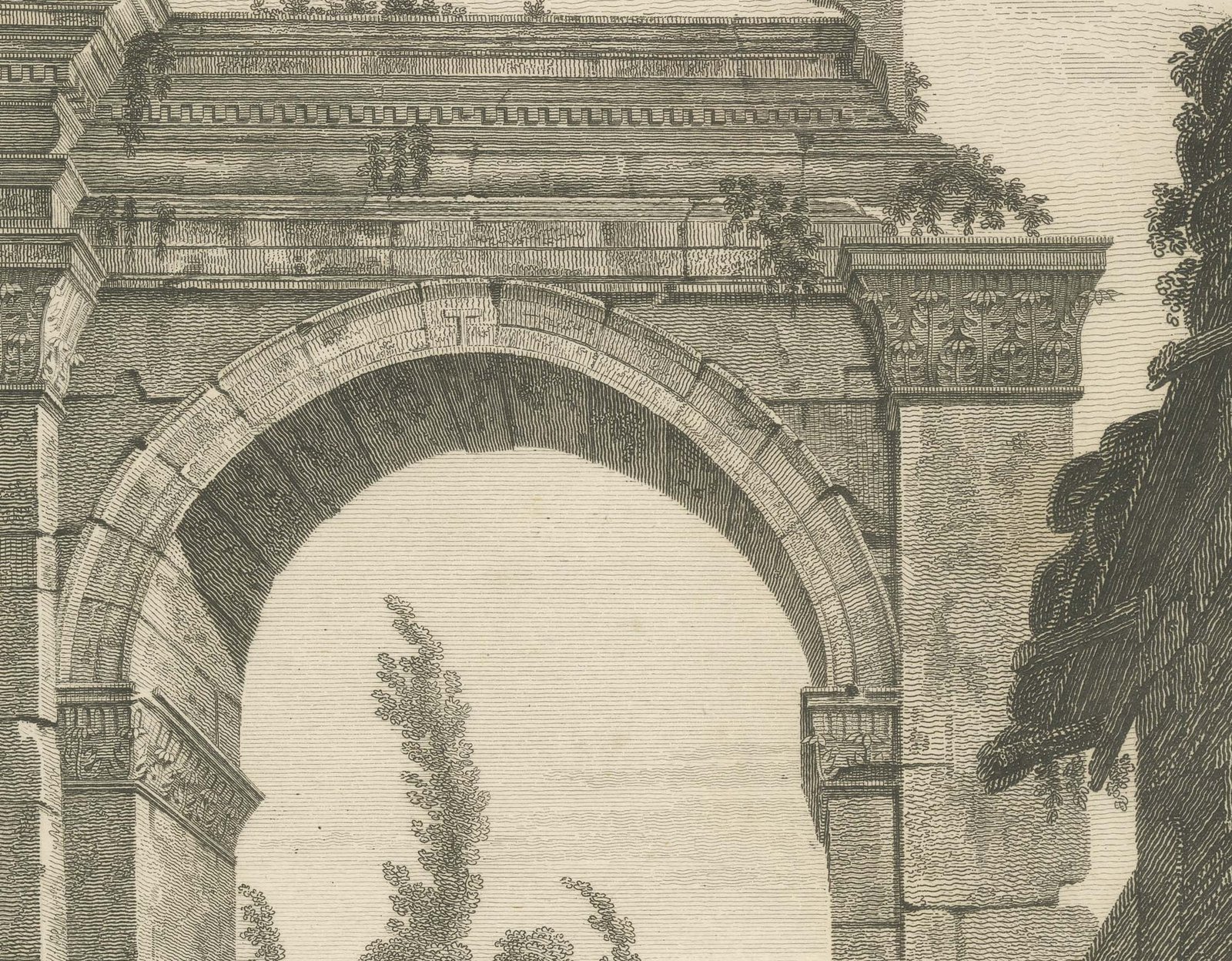
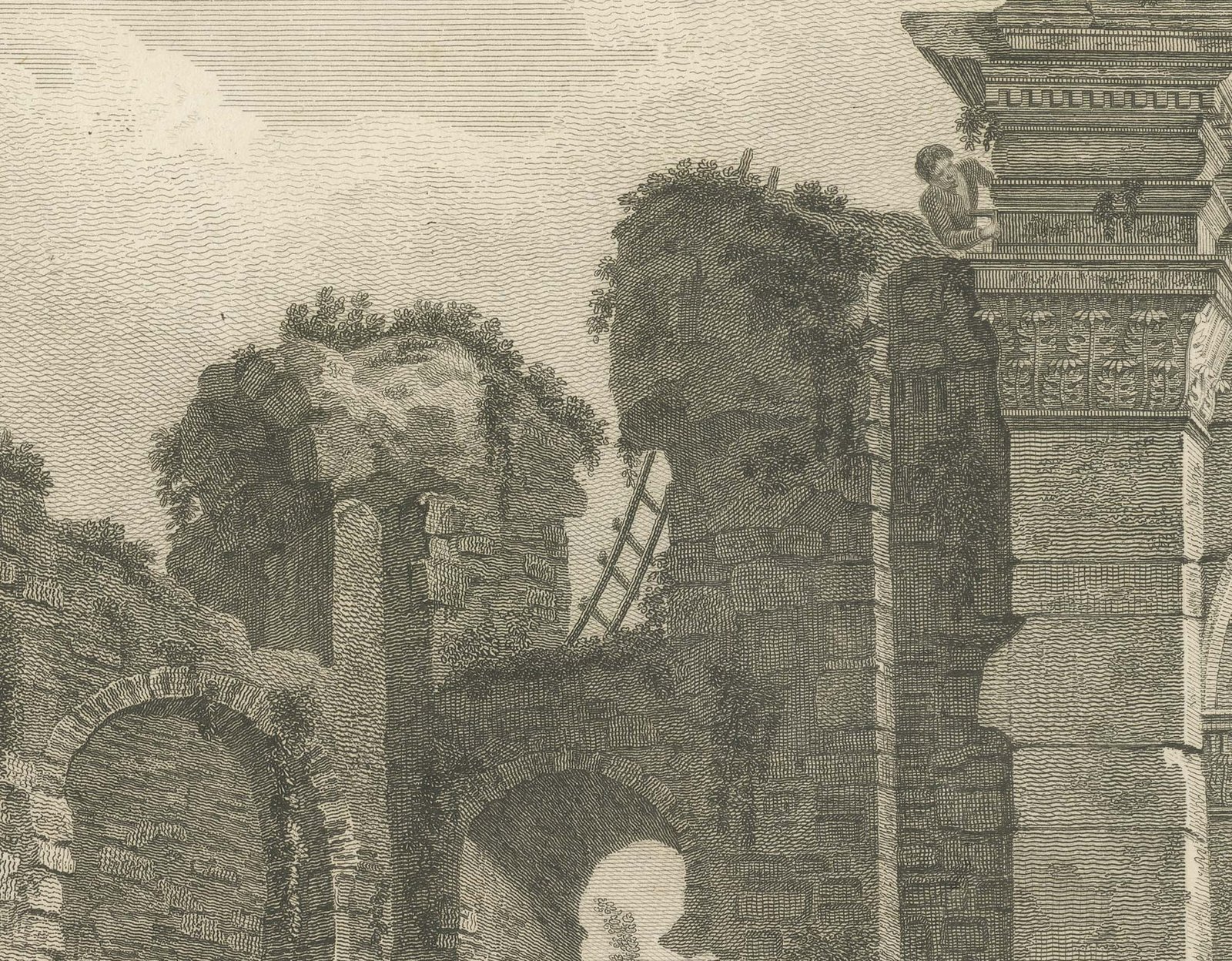
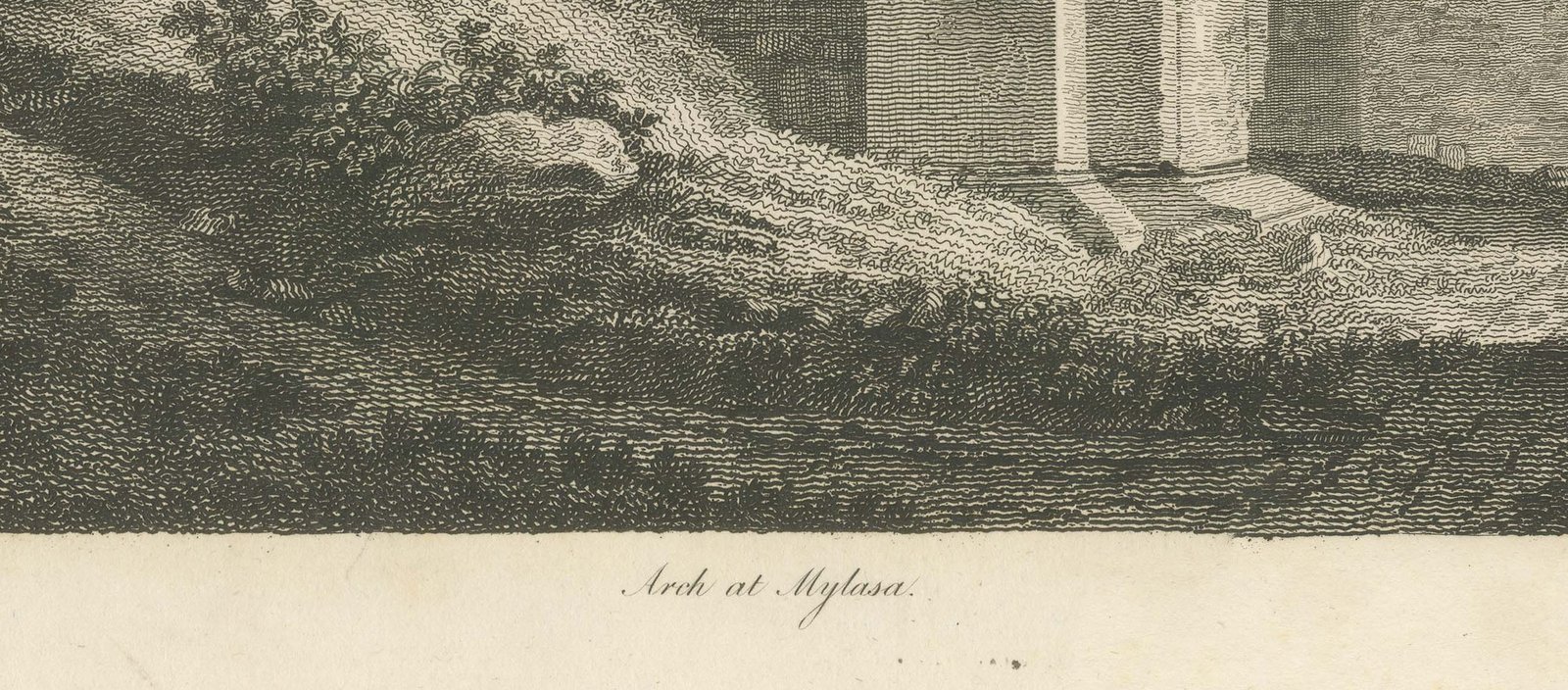
Framed and on the wall
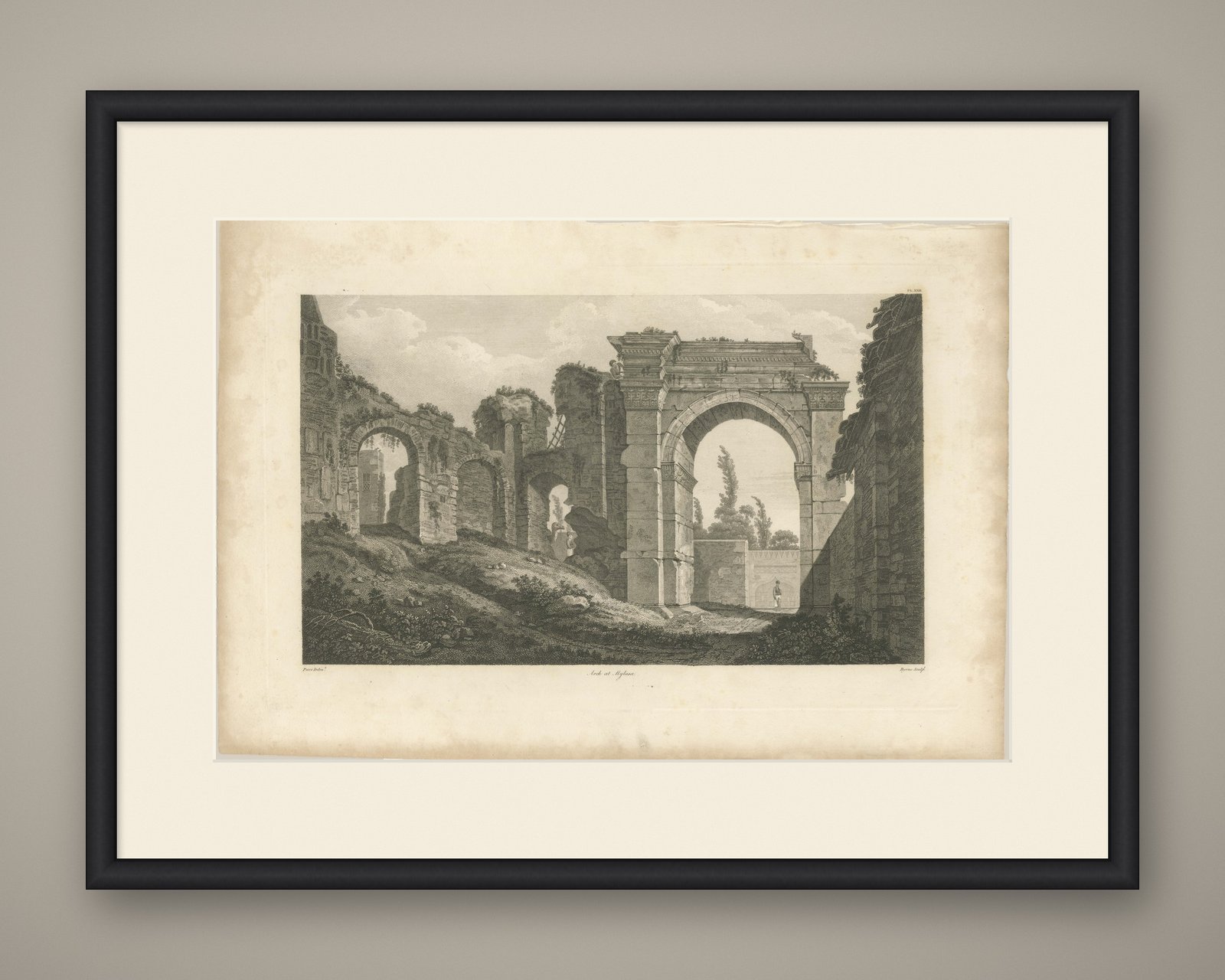
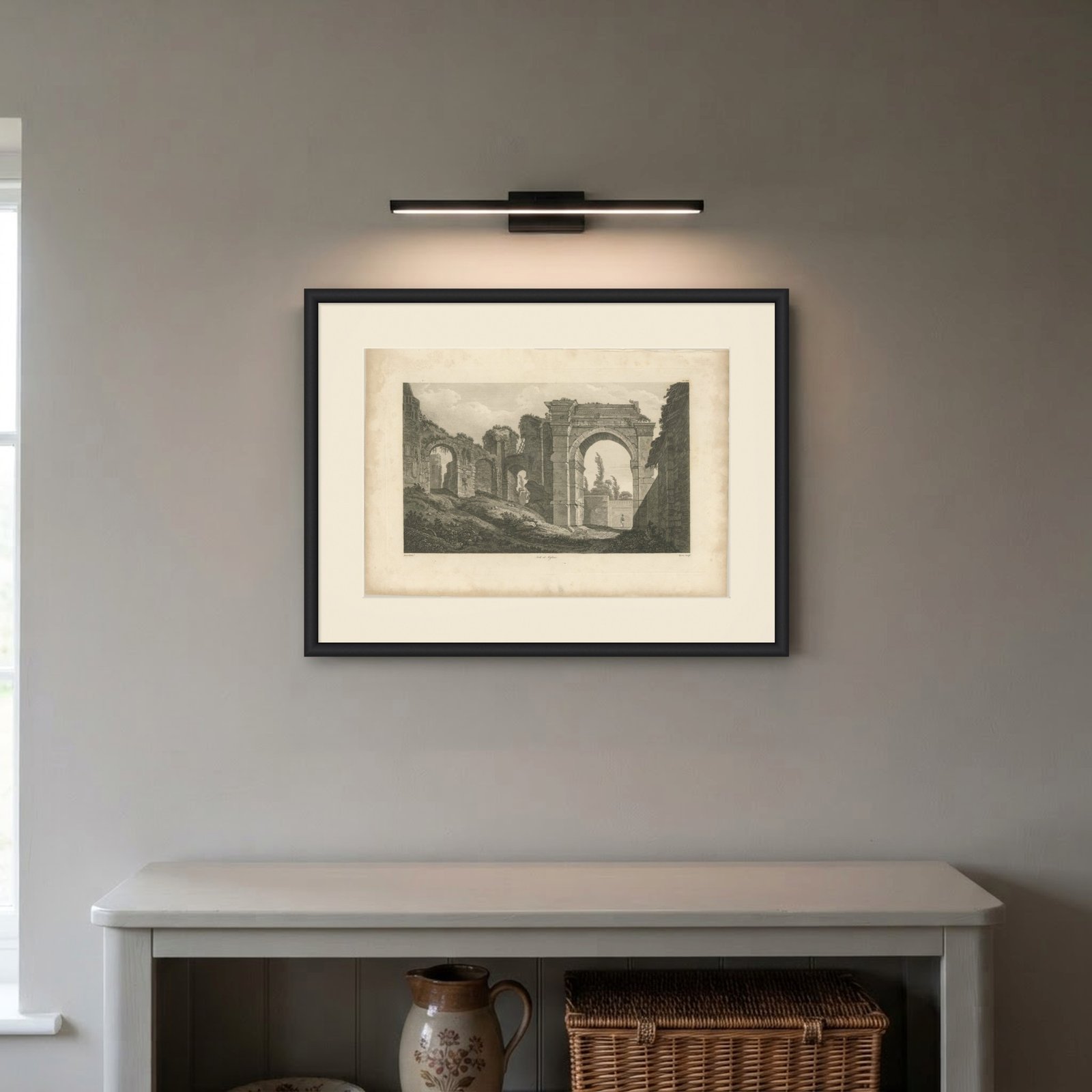
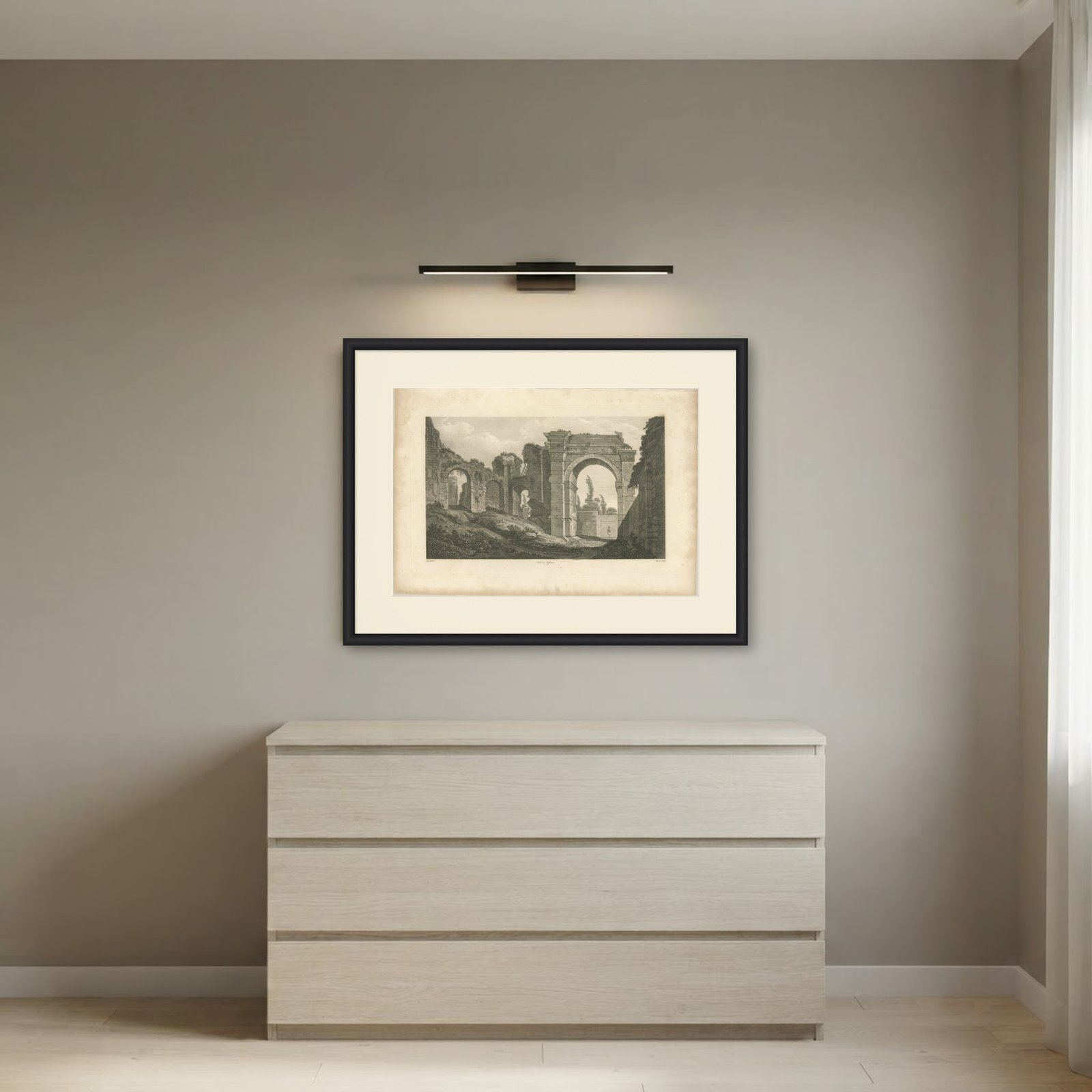
Frame and rooms are illustrations of how the print could look, drawn to its real size; it is sold unframed unless the description says otherwise.
Ornament & pattern
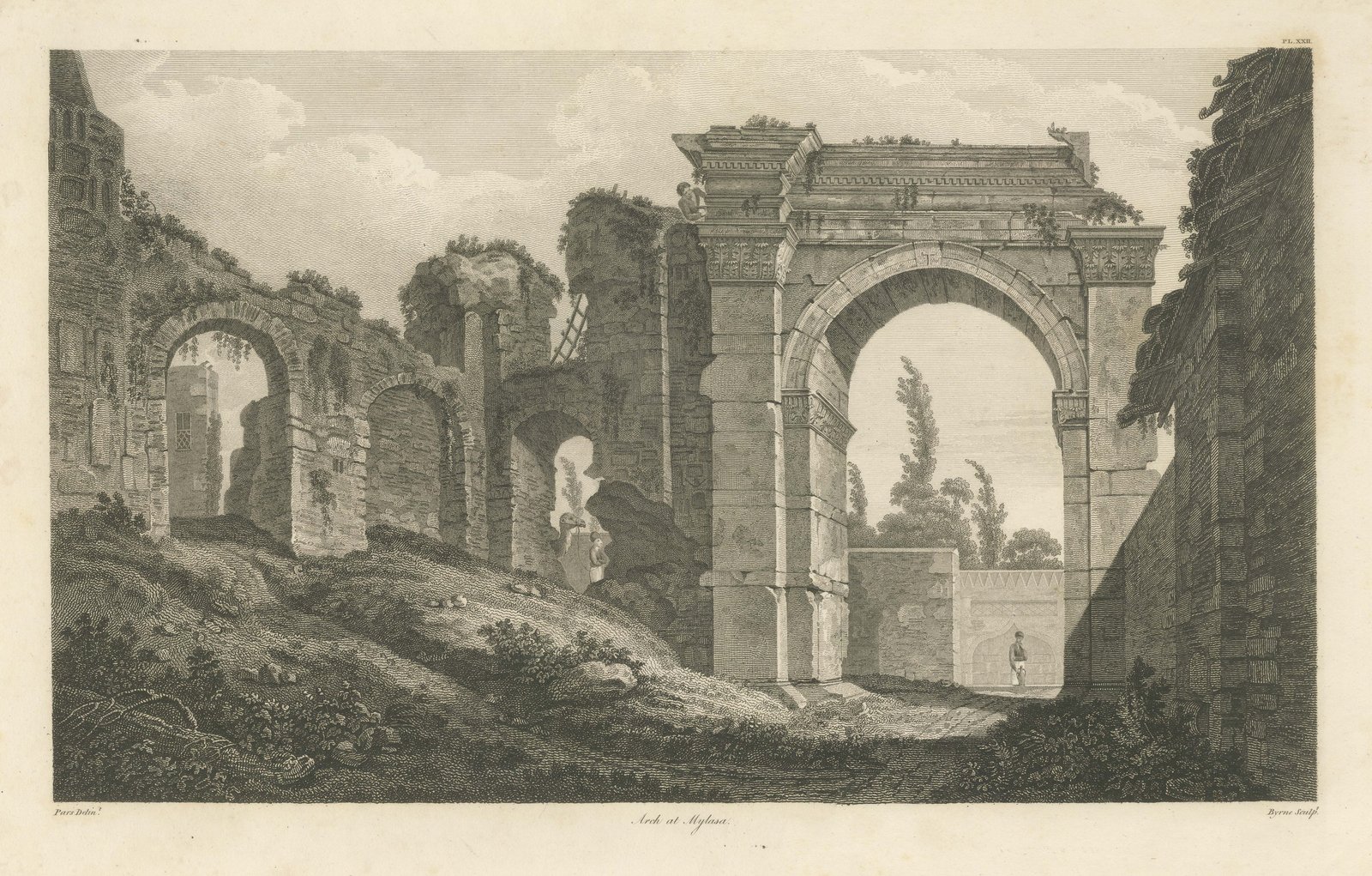
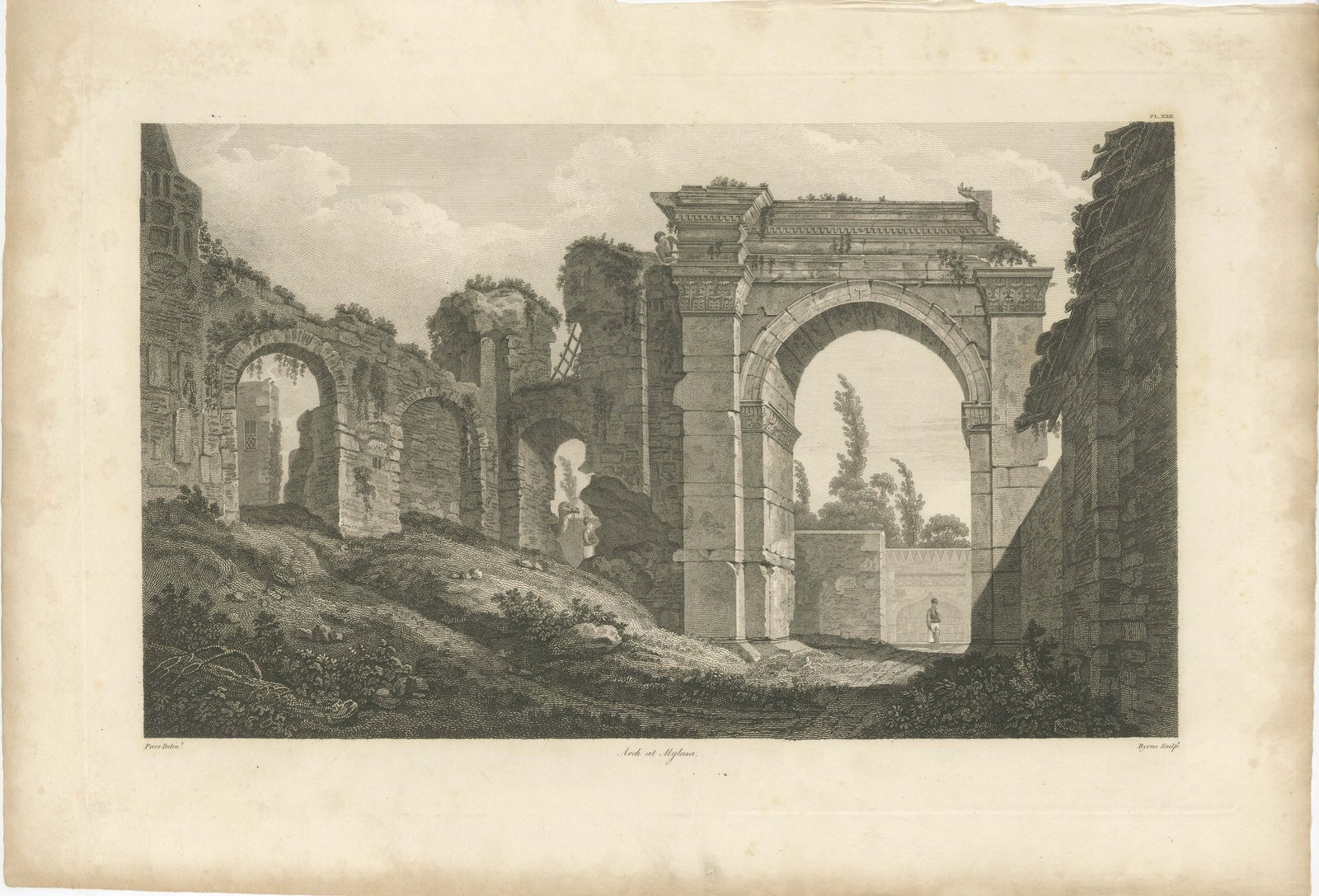
Arch at Mylasa, Antique Engraving after William Pars, 1797
£255£19025% off
$250 · €229
Original print, not a reproduction
Ships worldwide from the Netherlands, flat or rolled, insured and tracked. 14-day returns.
- Date
- 1797
- Sheet size
- 15 × 22 in (38 × 56 cm)
- Technique
- Copper Engraving
- Coloring
- Uncolored
- Condition
- Good. Light uneven toning, browner towards the edges. Marked handling soiling along the bottom, left and right edges. Foxing over much of the margin. Slight wear at the bottom left and bottom right corners.
- Collection
- Ornament & pattern
- Era
- 1790 to 1849, Neoclassical and Romantic
- Stock no.
- BG-14419-6
What the condition grades mean
- Excellent
- Bright and clean, with no faults worth mentioning.
- Very good
- Only light signs of age, such as faint toning.
- Good
- Normal signs of age for a sheet of this period: toning, some foxing, small marks or neat old repairs.
- Fair
- Clear faults such as staining, tears or repairs, priced to match.
Every fault we see is written in the condition note, and the whole sheet is shown uncropped in the photos.
An original antique copper engraving, uncolored, published in 1797. The caption engraved below the image reads "Arch at Mylasa."
A tall stone arch dominates the right half of the view. Its piers carry carved capitals and a heavy molded entablature, with shrubs growing along the top and a man leaning out at its upper left corner. Through the opening can be seen a wall with a ornamented panel, a standing figure in front of it, and tall slender trees beyond. To the left, a ruined arcade of arched openings runs along a grassy slope, its walls hung with creepers; a man stands with a camel in one of the openings and a ladder leans against the broken masonry. On the far right the view is closed by a high wall of squared stone, and the foreground is rough ground with plants and rocks.
The lower left is lettered "Pars Delint." and the lower right "Byrne Sculpt.", naming the painter William Pars and the engraver William Byrne. The plate number "PL. XXII." is engraved at the upper right.
This plate was issued in Antiquities of Ionia, Part the Second, published by the Society of Dilettanti in London in 1797. William Pars (1742 to 1782) was the English painter of the Society's expedition to Ionia. Mylasa, the modern town of Milas in southwestern Turkey, was one of the chief cities of ancient Caria.
Light uneven toning, browner towards the edges. Marked handling soiling along the bottom, left and right edges. Foxing over much of the margin. Slight wear at the bottom left and bottom right corners.
This is an original antique print, not a modern reproduction. This item is sold unframed.
Explore