Close-ups
Framed and on the wall
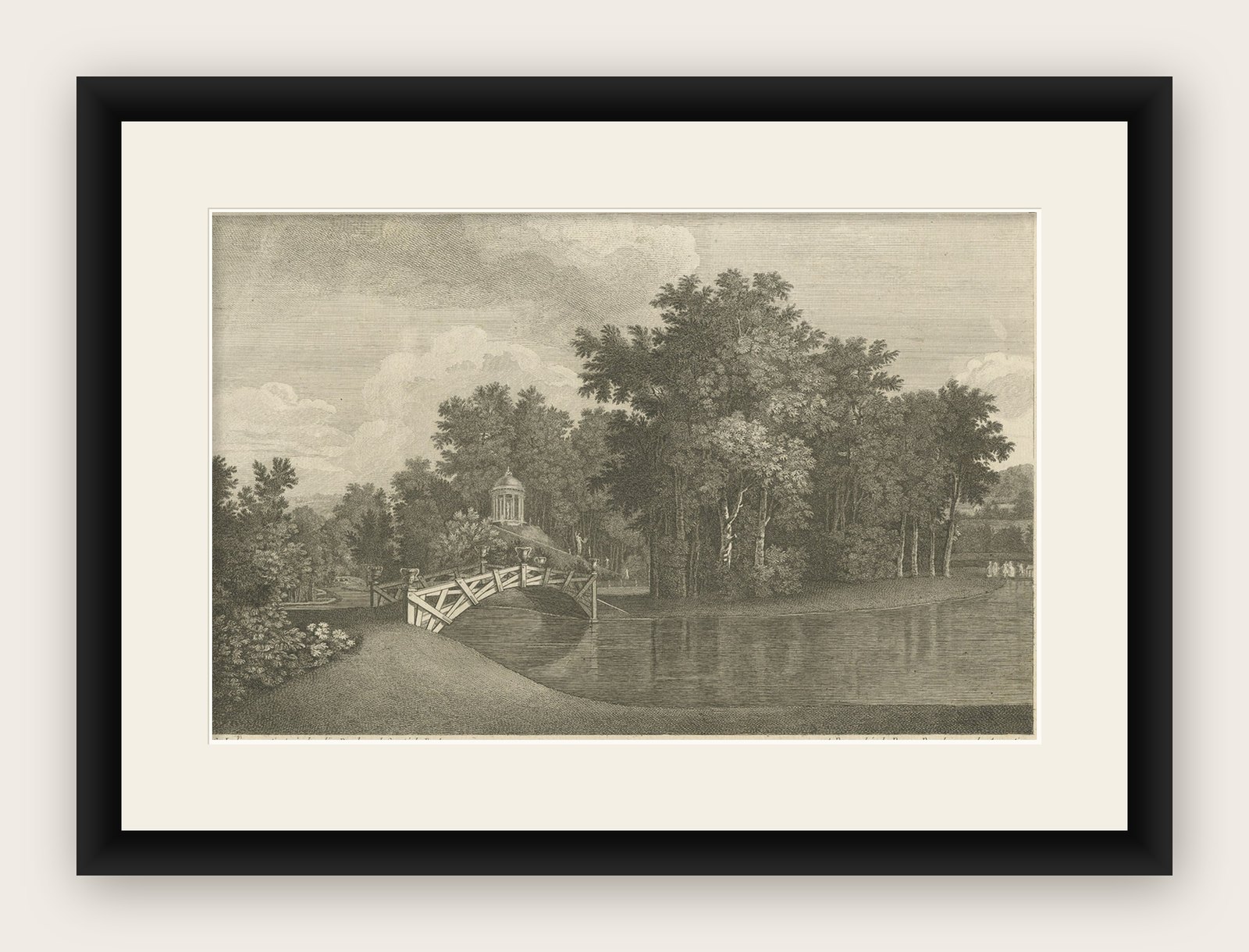
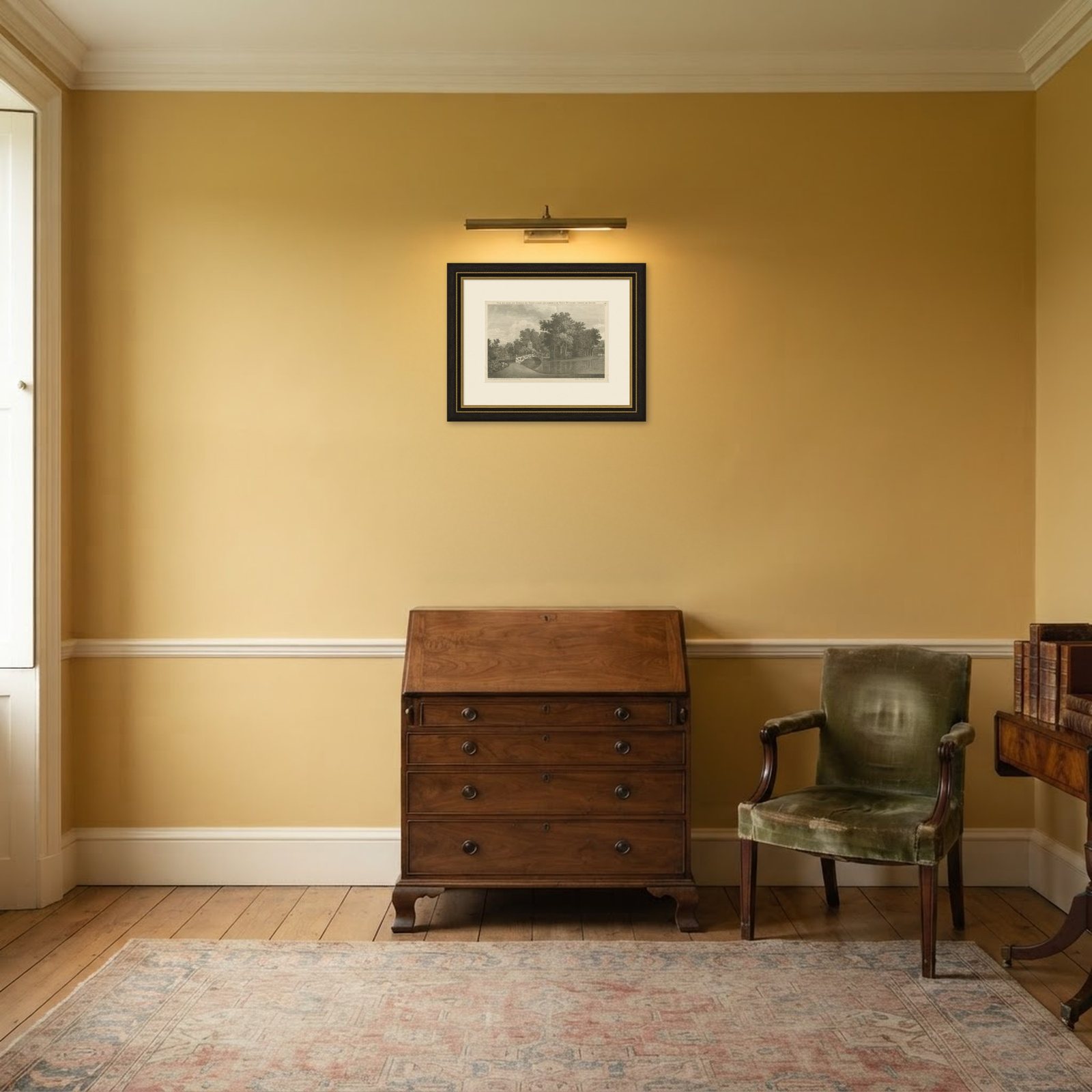
Frame and rooms are illustrations of how the print could look, drawn to its real size; it is sold unframed unless the description says otherwise.
Castles & palaces
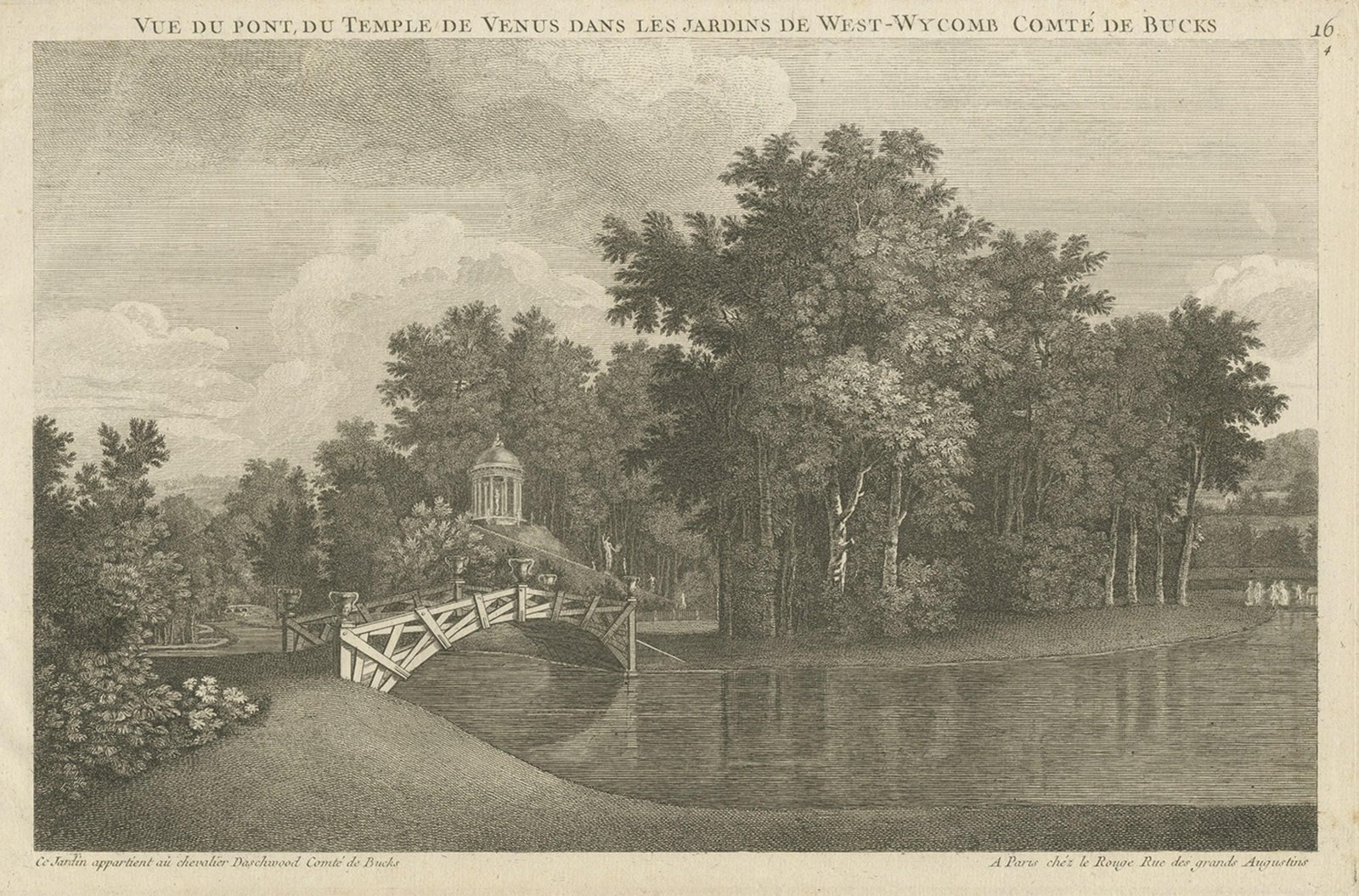
Antique Print of West Wycombe Park in Buckinghamshire, England, c.1785
$530$37030% off
€336 · £280
Original print, not a reproduction
Ships worldwide from the Netherlands, flat or rolled, insured and tracked. 14-day returns.
- Date
- 1785
- Sheet size
- 10.6 × 16.1 in (27 × 41 cm)
- Condition
- Good. General age-related toning. Minor wear, please study image carefully.
- Collection
- Castles & palaces
- Era
- 1700 to 1789, Baroque to Neoclassical
- Stock no.
- BG-12208-174
What the condition grades mean
- Excellent
- Bright and clean, with no faults worth mentioning.
- Very good
- Only light signs of age, such as faint toning.
- Good
- Normal signs of age for a sheet of this period: toning, some foxing, small marks or neat old repairs.
- Fair
- Clear faults such as staining, tears or repairs, priced to match.
Every fault we see is written in the condition note, and the whole sheet is shown uncropped in the photos.
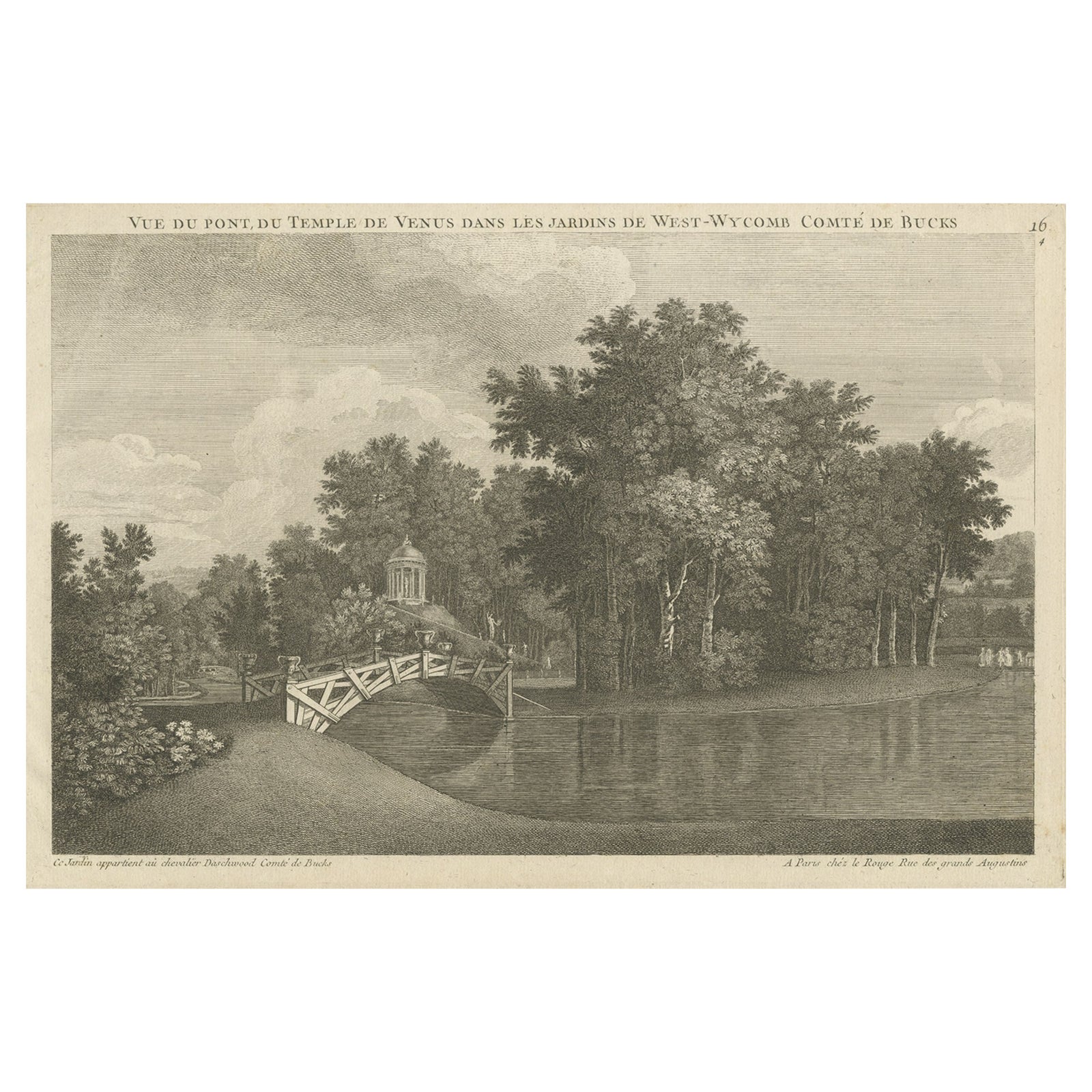
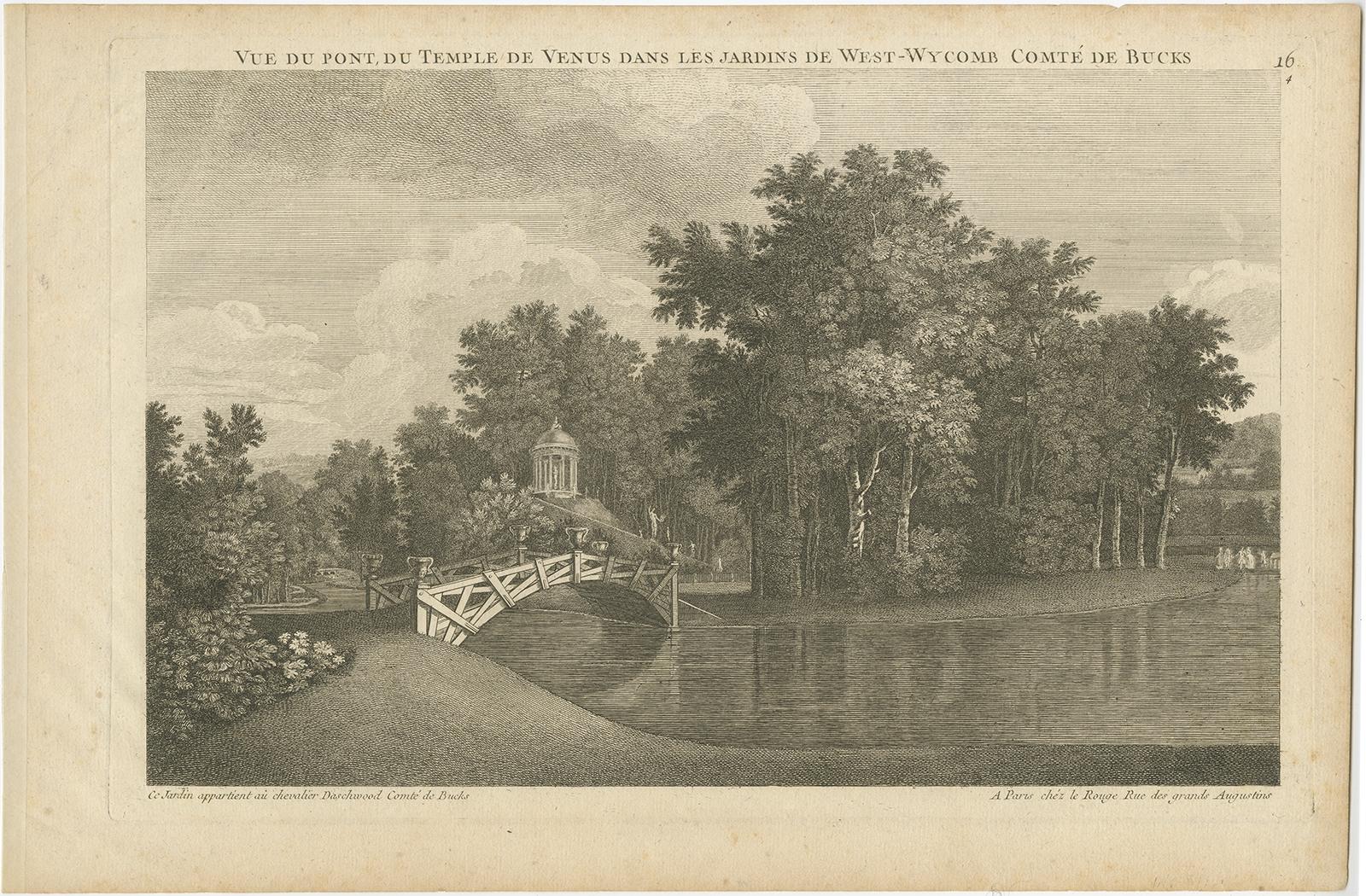
Antique print titled 'Vue du Pont, du Temple de Venus dans les Jardins de West-Wycomb (..)'.
Copper engraving of West Wycombe park, showing the bridge and temple.
West Wycombe Park is a country house built between 1740 and 1800 near the village of West Wycombe in Buckinghamshire, England. It was conceived as a pleasure palace for the 18th-century libertine and dilettante Sir Francis Dashwood, 2nd Baronet. The house is a long rectangle with four façades that are columned and pedimented, three theatrically so. The house encapsulates the entire progression of British 18th-century architecture from early idiosyncratic Palladian to the Neoclassical, although anomalies in its design make it architecturally unique. The mansion is set within an 18th-century landscaped park containing many small temples and follies, which act as satellites to the greater temple, the house.
The house, which is a Grade I listed building, was given to the National Trust in 1943 by Sir John Dashwood, 10th Baronet (1896 to 1966), an action strongly resented by his heir. Dashwood retained ownership of the surrounding estate and the contents of the house, most of which he sold; after his death, the house was restored at the expense of his son, the 11th Baronet. Today, while the structure is owned by the National Trust, the house is still the home of the Dashwood family. The house is open to the public during the summer months and is a venue for civil weddings and corporate entertainment, which help to fund its maintenance and upkeep.
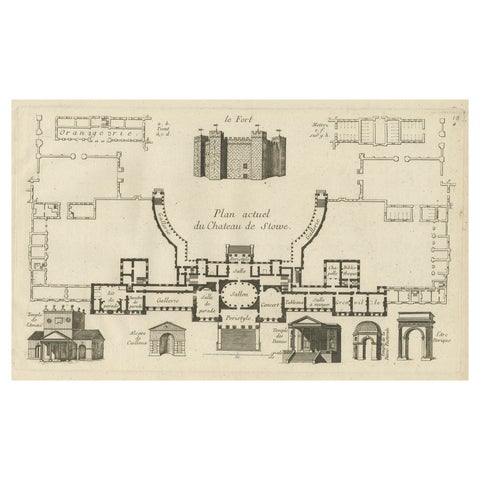
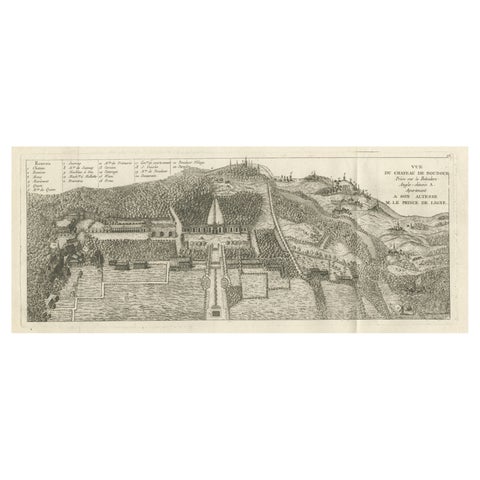
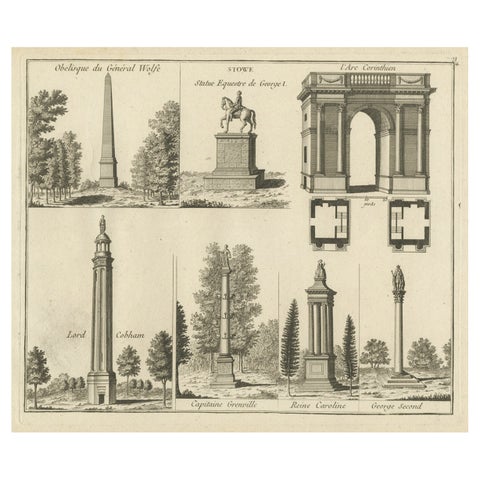
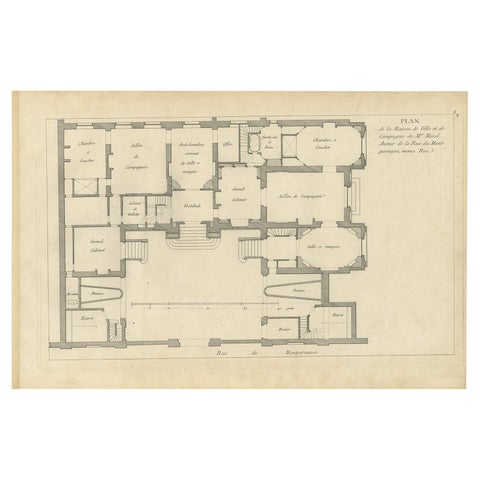
This print originates from 'Jardins Anglo-Chinois à la Mode' by Georg Louis le Rouge. Artists and Engravers: The work of Le Rouge is considered the most important engraved work concerning the history of European gardens during the 18th century.
Artist: The work of Le Rouge is considered the most important engraved work concerning the history of European gardens during the 18th century.
Image size: 0.001 x 34.5 x 22 cm.