Room 7 of 6
Porcelain & ceramics
The pots, plates and vases the great collections were built on: Gorer and Blacker's Chinese porcelain and hard stones of 1911, Delange's Italian majolica of 1869, Persian and Turkish faience, Worcester porcelain, Japanese vases after Audsley, and the painted vases of ancient Greece.
366 prints
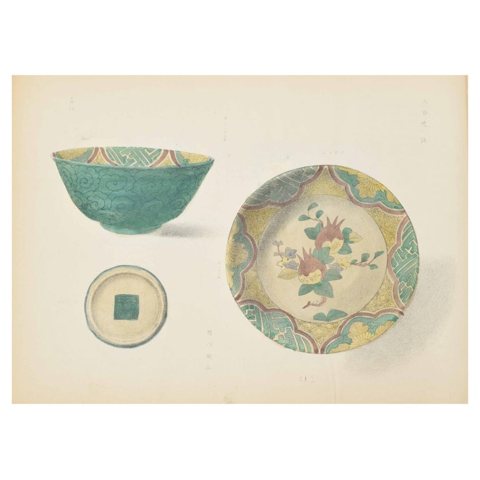
1878 · 28.5 × 40 cm
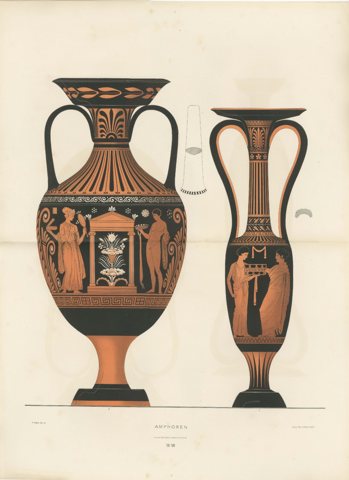
1883 · 92 × 68 cm
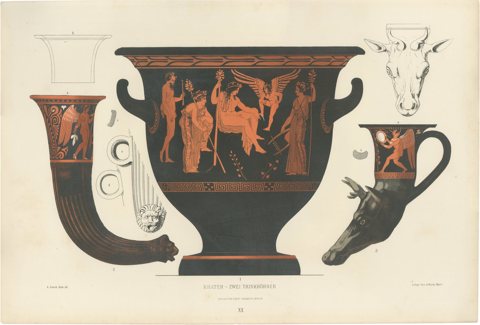
1883 · 68 × 46 cm
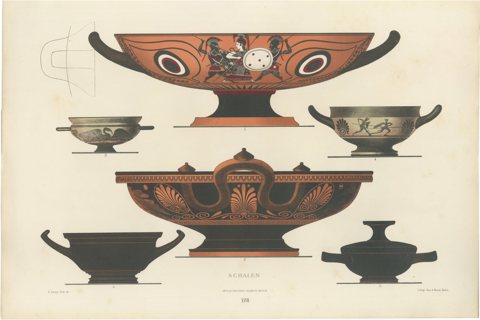
1883 · 68 × 46 cm
1883 · 68 × 46 cm
1883 · 68 × 46 cm
1883 · 68 × 46 cm
1883 · 46 × 68 cm
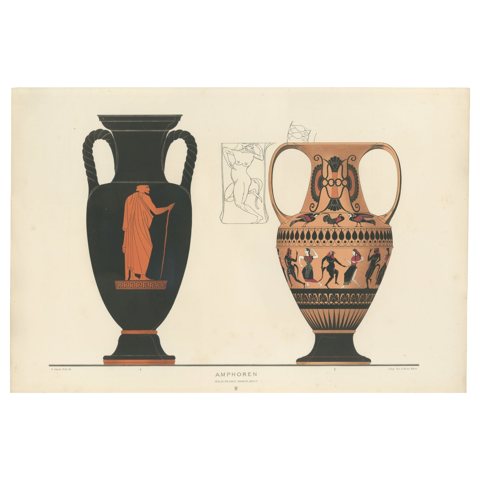
1883 · 46 × 68 cm
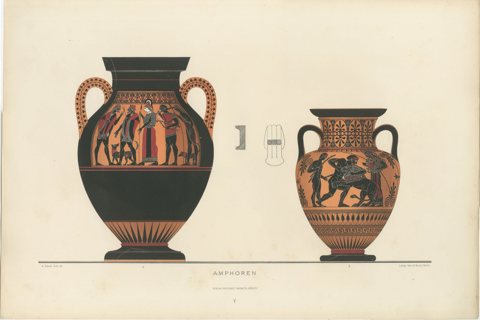
1883 · 46 × 68 cm
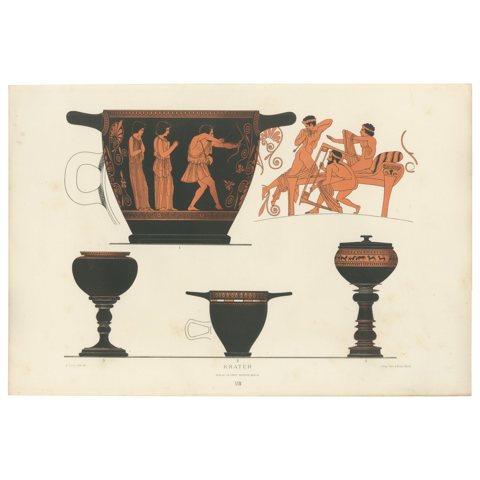
1883 · 68 × 46 cm
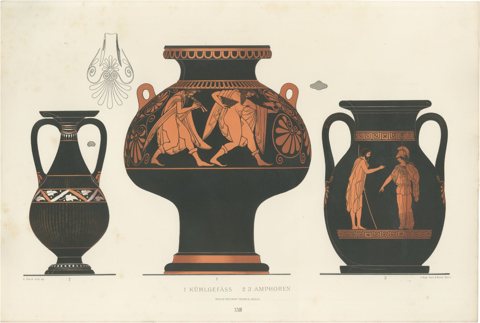
1883 · 68 × 46 cm
1883 · 68 × 46 cm
1883 · 68 × 46 cm
1883 · 68 × 46 cm
1883 · 68 × 46 cm
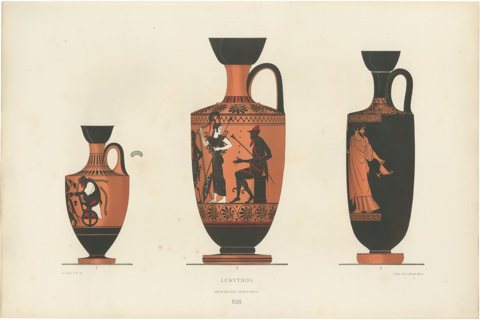
1883 · 68 × 46 cm
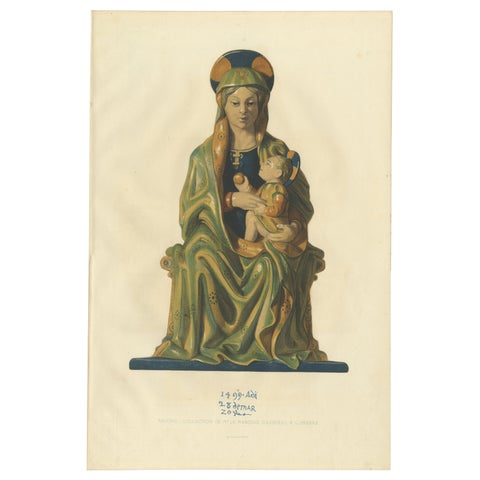
1869 · 35 × 53 cm
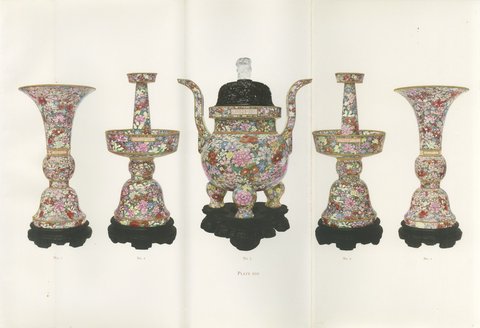
1911 · 46 × 31 cm
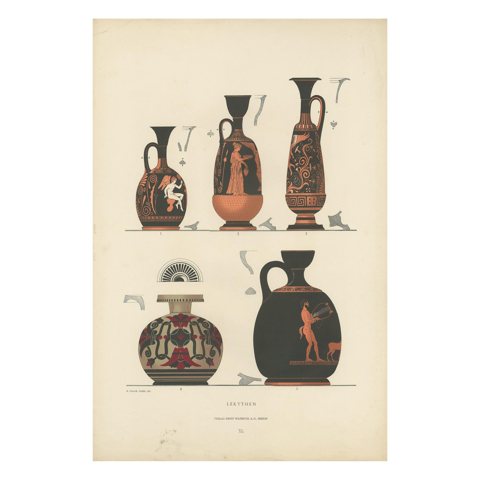
1883 · 46 × 68 cm
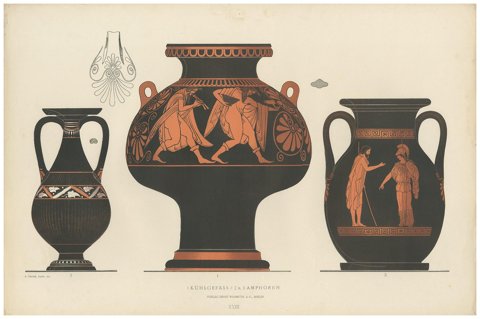
1883 · 68 × 46 cm
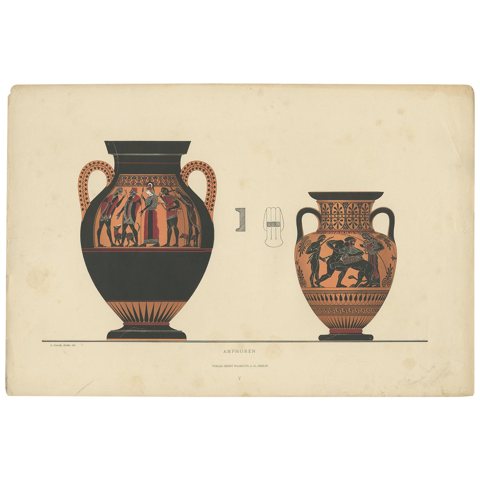
1883 · 68 × 46 cm
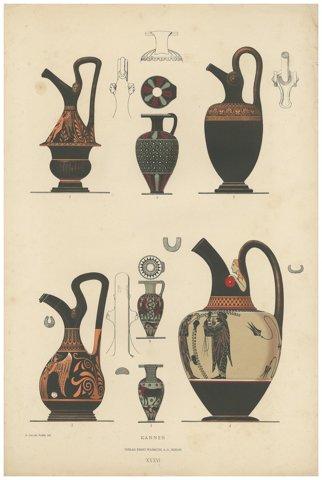
1883 · 46 × 68 cm
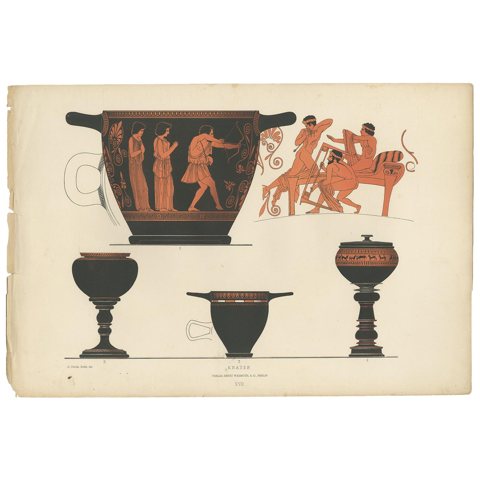
1883 · 68 × 46 cm
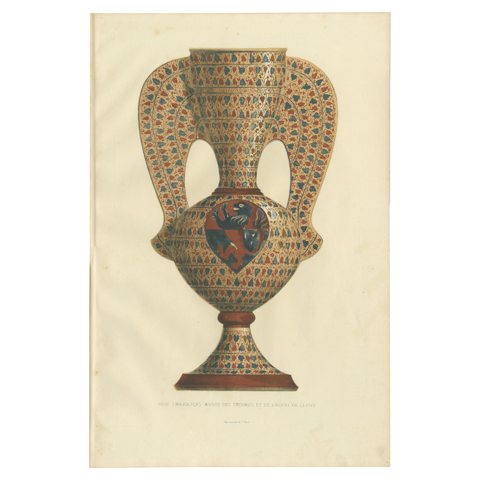
1869 · 35 × 53 cm
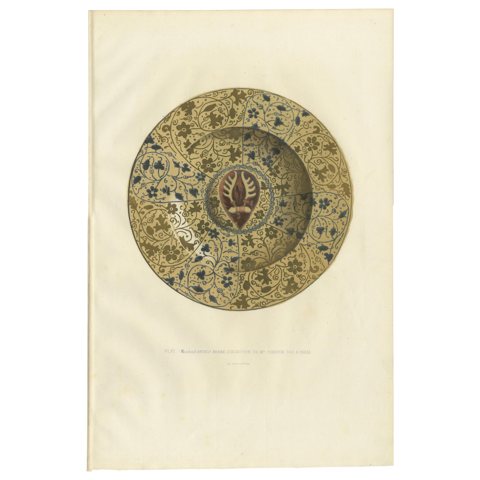
1869 · 35 × 53 cm
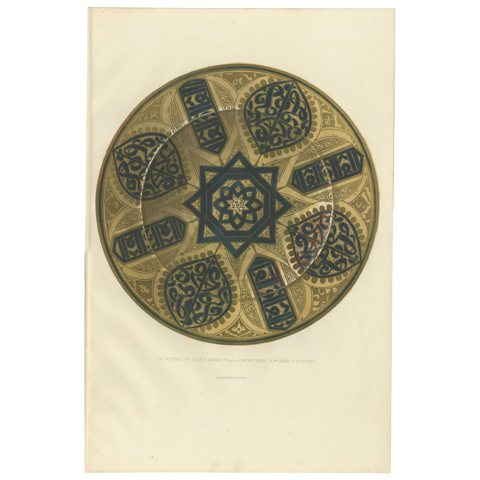
1869 · 35 × 53 cm
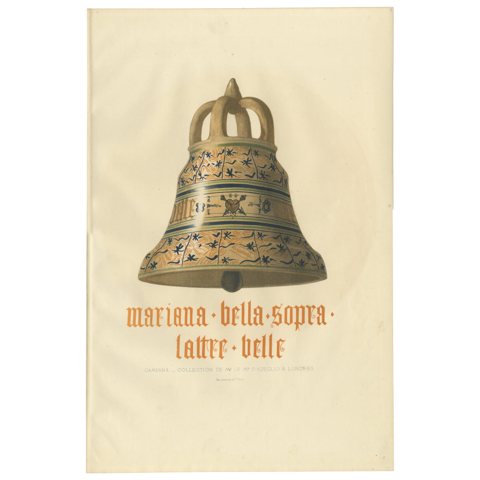
1869 · 35 × 53 cm
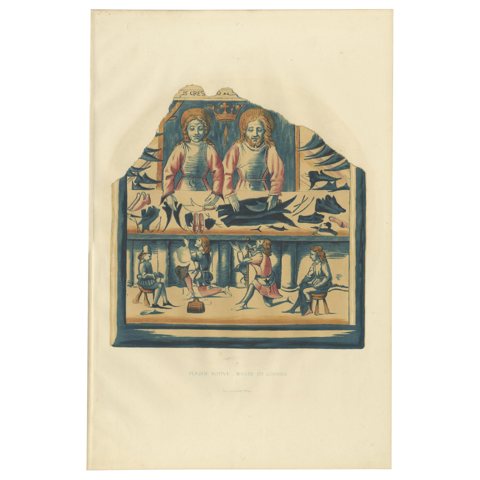
1869 · 35 × 53 cm
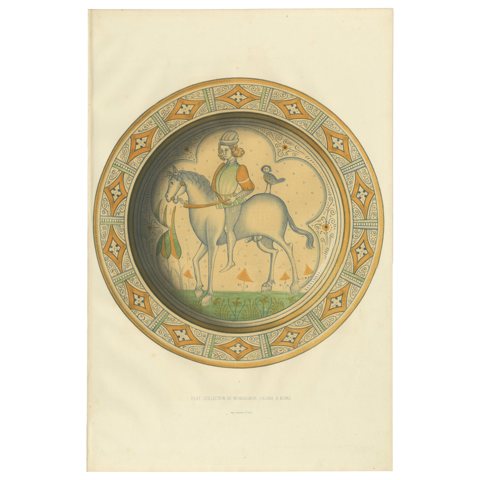
1869 · 35 × 53 cm
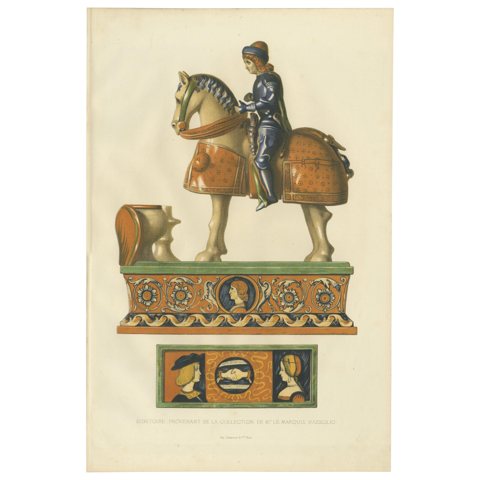
1869 · 35 × 53 cm
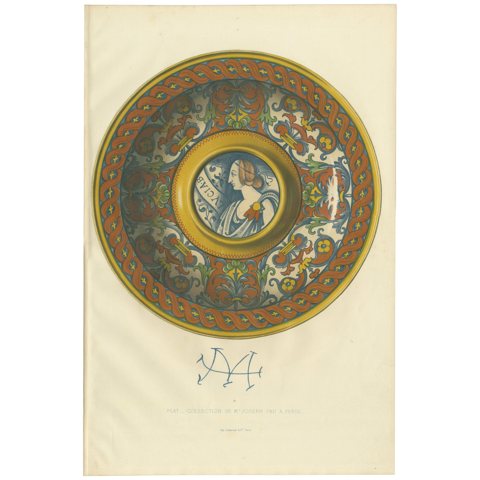
1869 · 35 × 53 cm
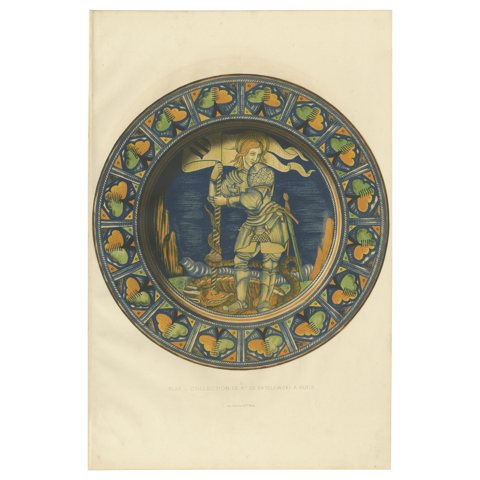
1869 · 35 × 53 cm
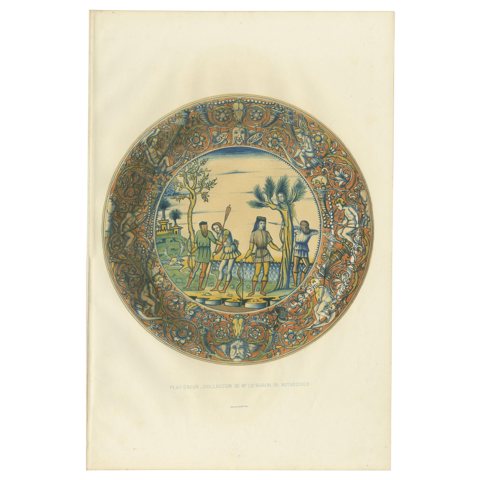
1869 · 35 × 53 cm
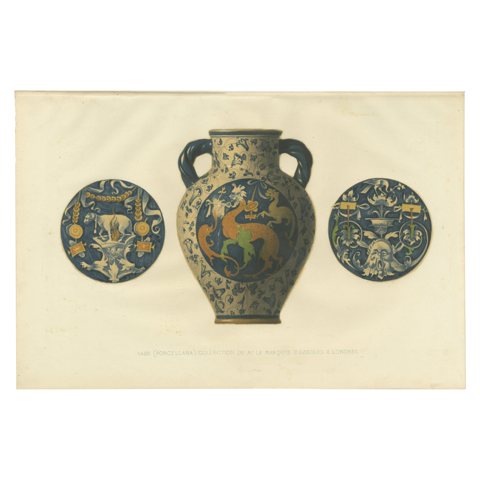
1869 · 53 × 35 cm
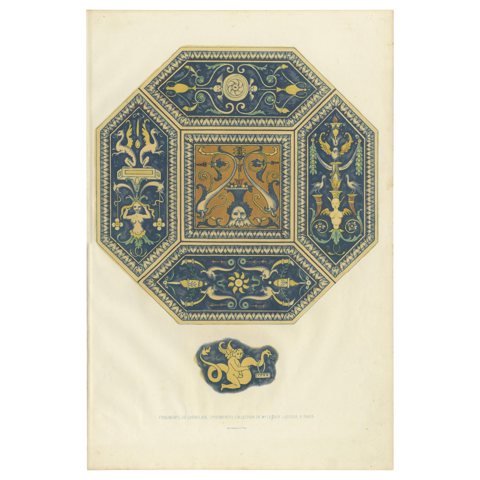
1869 · 35 × 53 cm
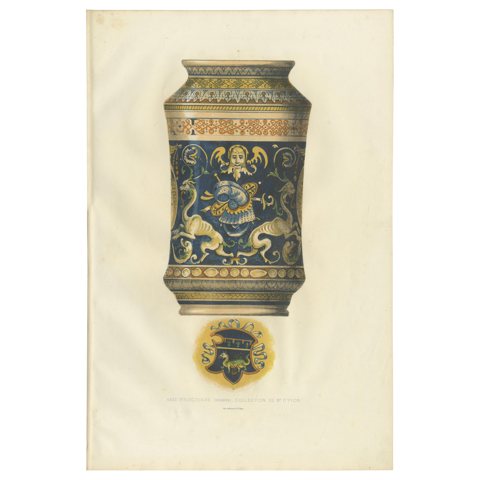
1869 · 35 × 53 cm
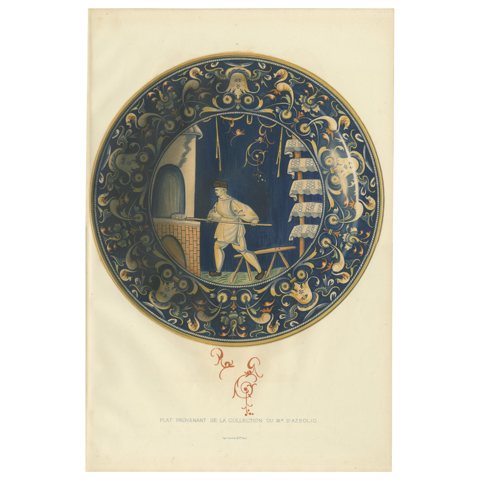
1869 · 35 × 53 cm
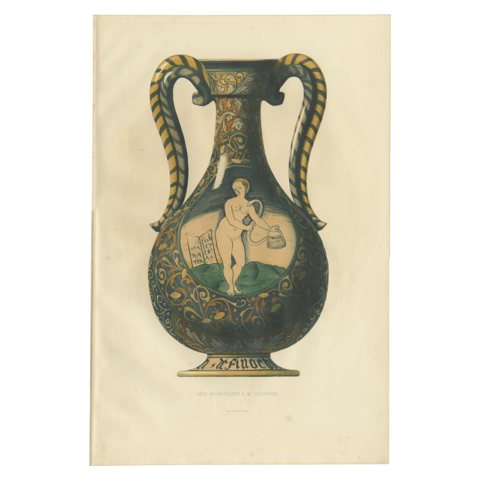
1869 · 35 × 53 cm
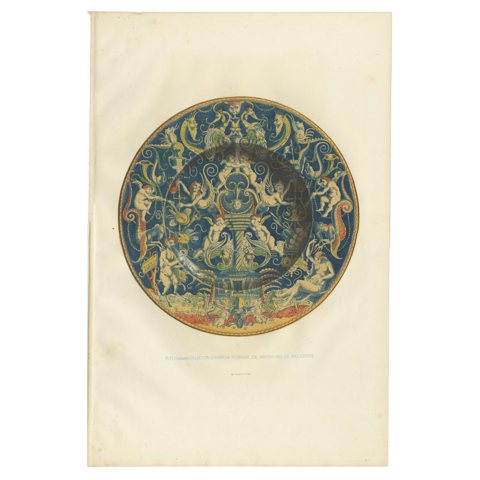
1869 · 35 × 53 cm
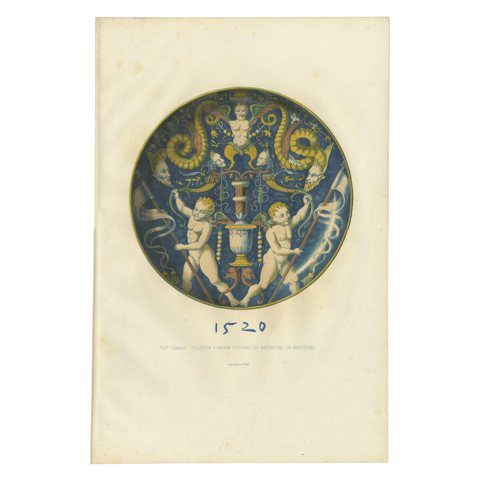
1869 · 35 × 53 cm
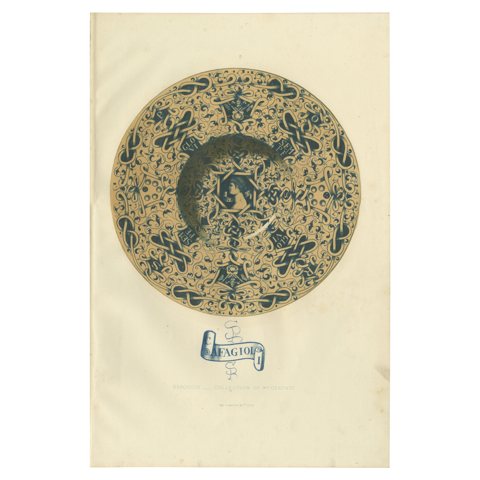
1869 · 35 × 53 cm
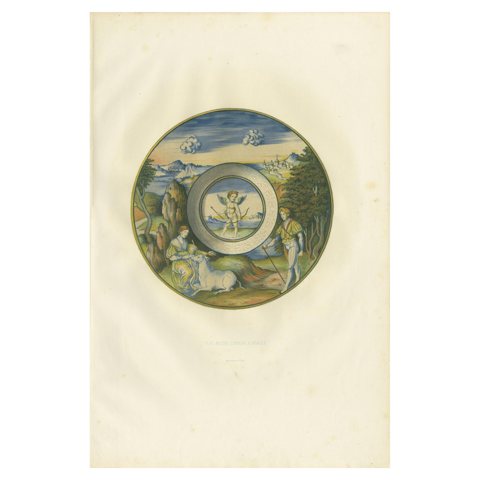
1869 · 35 × 53 cm
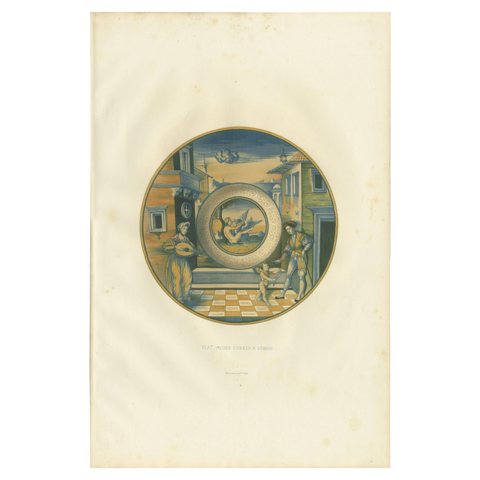
1869 · 35 × 53 cm
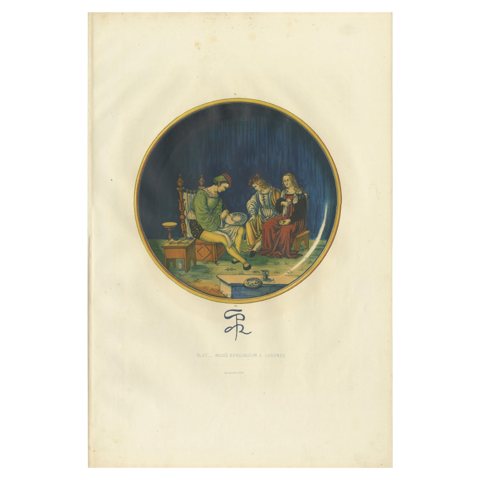
1869 · 35 × 53 cm
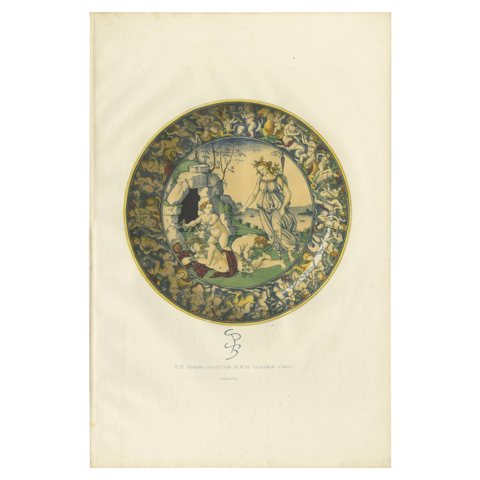
1869 · 35 × 53 cm
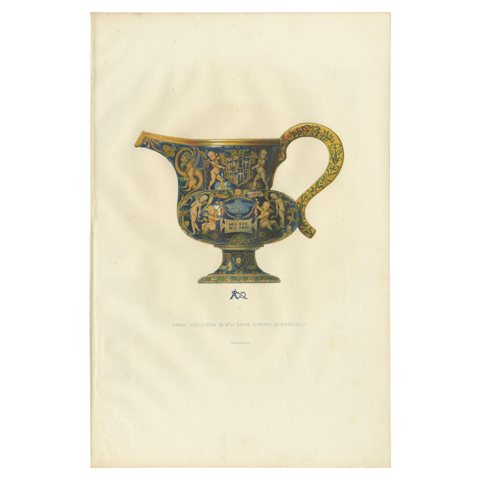
1869 · 35 × 53 cm
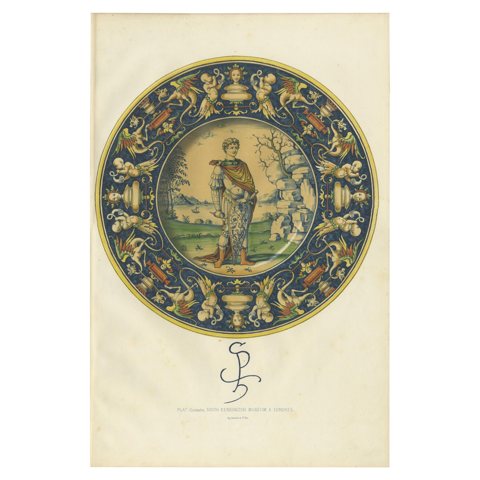
1869 · 35 × 53 cm
About porcelain & ceramics
For the Victorian and Edwardian collector, a printed plate was how a famous piece was seen. Edgar Gorer and J. F. Blacker's Chinese Porcelain and Hard Stones (London, Quaritch, 1911) recorded the porcelain, jade and agate of the great English cabinets in 254 color collotypes; Delange did the same for Italian majolica in 1869.
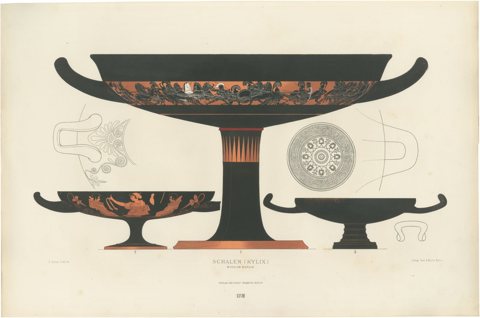
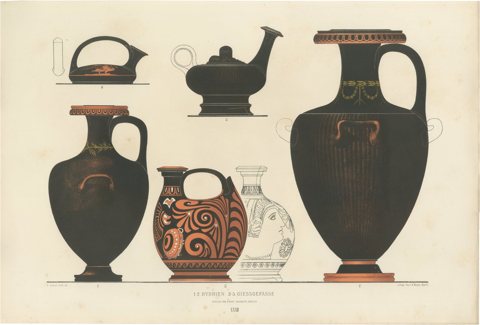
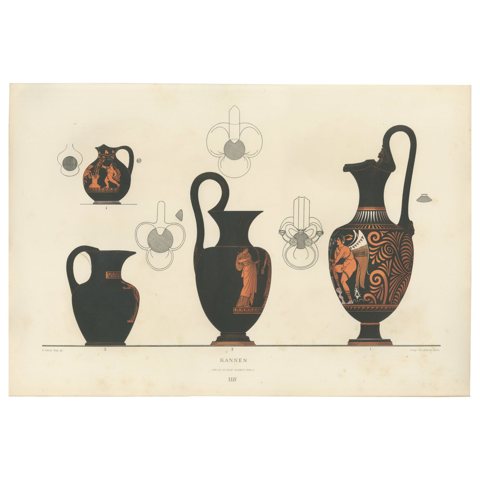
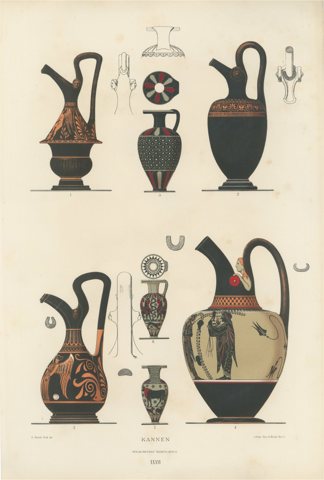
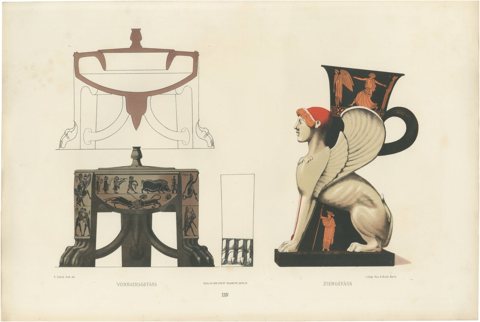
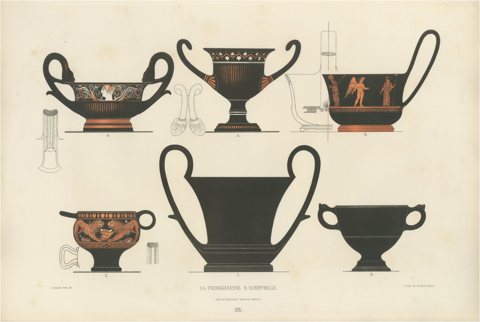
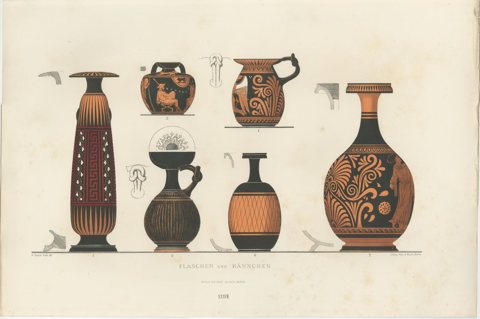
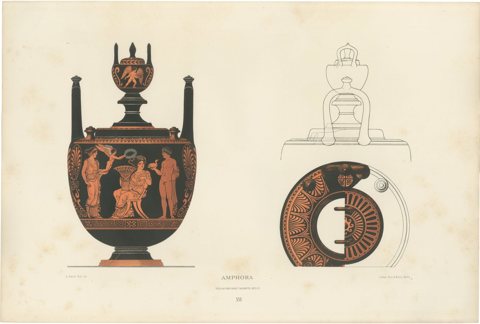
Other plates here come from design and study books: Persian and Turkish faience dishes, Worcester porcelain designs, Japanese vases after Audsley, and the painted pottery of ancient Greece. Each sheet shows the piece as it looked in its owner's cabinet, often with the collection named.
Explore
By place, by maker and by subject.
Places
Makers and books
Subjects
Questions about porcelain & ceramics
Are these photographs of the objects?
No. They are original plates printed in the books of their day, by collotype, chromolithography or lithography, and many name the collection the piece was in. They are not modern reproductions.
Are the porcelain plates sold in sets?
Some are. Where two to four plates of one book show related pieces, they are offered together as a set and never split; the listing says how many sheets it holds.